Women Who Study
International Institute Of Technology (IIT)
Introduction: Empowering Women Through Education
Education is widely recognized as one of the most transformative forces in society, and when women are empowered through education, its impact multiplies across generations. Women’s education is not merely about individual achievement; it is a cornerstone of sustainable development, economic progress, and social equality. When women gain access to quality education, they are better equipped to make informed decisions, participate actively in the workforce, and contribute meaningfully to their communities. In today’s rapidly evolving global landscape, where innovation and knowledge drive progress, the role of educated women has become more critical than ever before.
Across the world, women who pursue higher education are reshaping traditional narratives and breaking long-standing barriers. They are entering fields that were once considered inaccessible, particularly in science, technology, engineering, and management. This shift is not only redefining gender roles but also enriching industries with diverse perspectives and ideas. Studies consistently show that organizations and societies that embrace gender diversity perform better, innovate faster, and create more inclusive environments. As a result, the education of women is no longer just a social responsibility—it is a strategic necessity for global advancement.
At the International Institute Of Technology (IIT), the journey of women in education reflects a powerful blend of ambition, resilience, and transformation. Women who choose to study at IIT step into an environment that challenges them intellectually while supporting their growth personally and professionally. They are not just students attending lectures or completing assignments; they are individuals preparing to lead in a world driven by technology and innovation. Their presence within the institution symbolizes progress, determination, and the breaking of conventional limits.
The experience of women at IIT goes beyond academic excellence. It encompasses a journey of self-discovery, confidence-building, and leadership development. Many women enter the institute with aspirations shaped by their backgrounds, and through rigorous training, mentorship, and exposure, they emerge as capable professionals ready to take on global challenges. They engage in research, collaborate on innovative projects, participate in technical competitions, and contribute to a culture of excellence. In doing so, they not only enhance their own capabilities but also inspire future generations of young women to follow similar paths.
However, the path toward educational empowerment is not without its challenges. Women often face societal expectations, stereotypes, and systemic barriers that can limit their access to opportunities. In many parts of the world, including developing regions, girls still encounter obstacles such as limited resources, lack of encouragement, and cultural constraints. Even within higher education institutions, women may find themselves underrepresented in certain disciplines, particularly in technical and engineering fields. Despite these challenges, the growing presence of women in institutes like IIT demonstrates a strong and encouraging shift toward inclusivity and equality.
What makes this transformation particularly significant is the ripple effect it creates. Educated women contribute not only to their own success but also to the well-being of their families and communities. They are more likely to support education for future generations, promote health and well-being, and participate in civic and economic activities. In this way, investing in women’s education leads to long-term societal benefits that extend far beyond individual achievements. Institutions like IIT play a vital role in enabling this transformation by providing access to quality education, fostering innovation, and creating supportive ecosystems for women to thrive.
Opportunities for women at IIT are vast and continuously expanding. From cutting-edge research in emerging technologies to entrepreneurial ventures and leadership roles, women are actively shaping the future across multiple domains. The institute’s commitment to inclusivity ensures that women have access to the resources, mentorship, and networks needed to succeed. By encouraging participation, recognizing achievements, and addressing challenges, IIT creates an environment where women can fully realize their potential.
As we look toward the future, the importance of empowering women through education becomes even more evident. The global economy is increasingly knowledge-driven, and the demand for skilled professionals continues to grow. Women, with their unique perspectives and capabilities, are essential contributors to this evolving landscape. By supporting women’s education, institutions like IIT are not only promoting gender equality but also strengthening the foundation for innovation, progress, and sustainable development.
The Importance of Women’s Education
Women’s education is far more than a question of equality or social justice—it is a fundamental driver of national progress and global development. When women are educated, the benefits extend well beyond individual achievement, creating a powerful ripple effect that influences families, communities, economies, and entire nations. In today’s knowledge-driven world, where innovation and human capital are essential for growth, educating women is not optional; it is essential.
One of the most immediate and visible impacts of women’s education is seen within families. Educated women are more likely to make informed decisions regarding health, nutrition, and education. They tend to prioritize schooling for their children, breaking cycles of illiteracy and poverty. Research consistently shows that children of educated mothers are healthier, better nourished, and more likely to attend school. This creates a generational transformation, where the benefits of one woman’s education extend to future generations, strengthening the overall fabric of society.
From an economic perspective, women’s education plays a critical role in workforce development and productivity. When women participate in the labor market, they contribute to economic growth, innovation, and competitiveness. Educated women bring skills, creativity, and diverse viewpoints that enhance organizational performance and problem-solving. Increasing female workforce participation has been linked to higher GDP growth rates in many countries. Simply put, economies thrive when women are given equal opportunities to learn, work, and lead.
Innovation is another area where women’s education has a profound impact. Diverse perspectives are essential for creativity and technological advancement. When women enter fields such as science, engineering, and technology, they introduce new ideas, challenge existing assumptions, and contribute to more inclusive solutions. In industries that shape the future—such as artificial intelligence, renewable energy, and digital transformation—the inclusion of women ensures that innovation reflects the needs of a broader population. Without women’s participation, progress risks being incomplete and less effective.
Education also serves as a powerful tool for reducing social inequalities. Gender disparities in education often mirror broader inequalities in society. By ensuring equal access to education for women, societies can address issues such as income inequality, gender discrimination, and limited access to opportunities. Educated women are more likely to advocate for their rights, participate in decision-making processes, and contribute to building fair and inclusive communities. Over time, this leads to more balanced and equitable societies.
Despite the significant progress made globally, challenges remain. Women’s participation in education has increased substantially over the past few decades, with more girls enrolling in schools and universities than ever before. However, disparities still exist, particularly in technical and professional fields such as engineering, technology, and advanced sciences. Cultural norms, lack of resources, limited access to quality education, and societal expectations continue to act as barriers for many women.
These gaps highlight the need for continued efforts to promote women’s education, especially in emerging and high-impact sectors. Encouraging girls to pursue studies in science and technology, providing scholarships, offering mentorship programs, and creating supportive learning environments are essential steps toward bridging this divide.
In conclusion, women’s education is a cornerstone of sustainable development and social progress. It strengthens families, drives economic growth, fosters innovation, and reduces inequalities. While progress has been made, the journey toward full inclusion is ongoing. By investing in women’s education, societies invest in a future that is more prosperous, innovative, and equitable for all.
Women in STEM: A Growing Yet Uneven Journey
Science, Technology, Engineering, and Mathematics (STEM) fields have historically been male-dominated. While progress has been made, the journey toward gender balance is ongoing.
In India, institutions like IITs have seen a rise in female enrollment. The number of women admitted has nearly doubled from 1,621 in 2018 to over 3,200 in 2025, showing positive momentum.
However, despite this growth, women still represent only about 20% of total admissions, indicating that the gender gap remains significant.
This contrast highlights an important reality:
➡️ Access is improving, but equality is still evolving.
Women Who Study at IIT: Breaking Barriers

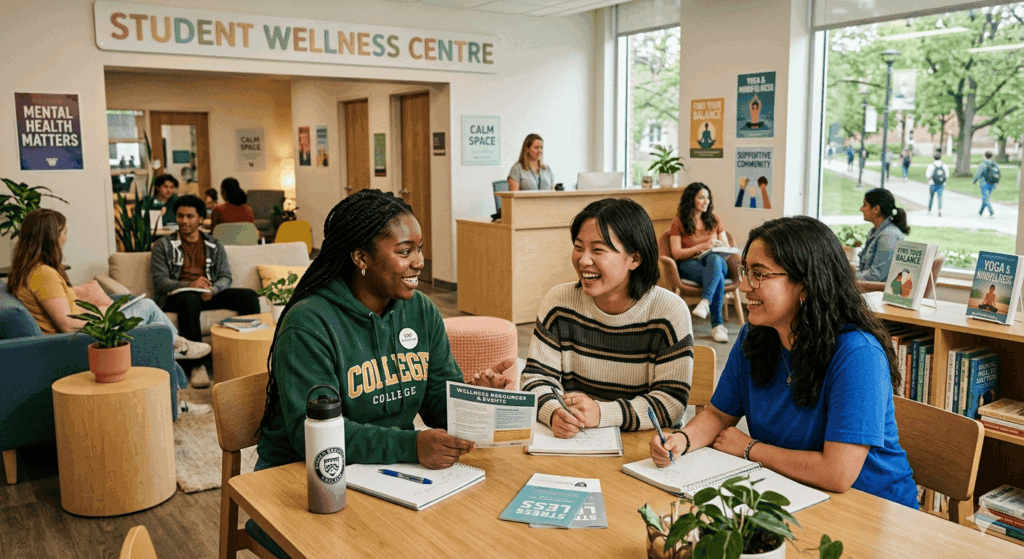
At the International Institute Of Technology (IIT), women students represent determination and excellence. They come from diverse backgrounds—urban and rural, different cultures, and varying socio-economic conditions—but share a common goal: to achieve academic and professional success.
Key Characteristics of Women at IIT
1. Academic Excellence
Women students consistently perform at high academic levels, contributing to research, innovation, and project development.
2. Resilience and Determination
Despite societal and systemic challenges, women continue to pursue education in competitive fields.
3. Leadership and Innovation
Many women take leadership roles in student organizations, research teams, and entrepreneurial ventures.
4. Multidisciplinary Interests
Women at IIT often explore interdisciplinary domains such as AI, sustainability, biotechnology, and business management.
Challenges Faced by Women in Education
While progress is visible, women still encounter several barriers in pursuing higher education, especially in technical institutes.
1. Societal Stereotypes
Many girls are discouraged from pursuing STEM careers due to traditional beliefs about gender roles.
2. Limited Access to Resources
Access to quality coaching, mentorship, and educational infrastructure can be limited, especially in rural areas.
3. Confidence Gap
Studies show that women often underestimate their abilities in technical subjects despite equal competence.
4. Underrepresentation
Being in a minority (around 20% in IITs) can lead to lack of representation and support networks.
5. Cultural and Family Constraints
In some cases, societal expectations limit mobility and educational opportunities for women.
Initiatives Supporting Women at IIT
To address gender imbalance and empower women, institutions like IIT have introduced several initiatives:
1. Supernumerary Seats for Women
Additional seats have been created specifically to increase female participation.
2. Scholarships and Financial Aid
Programs like full tuition scholarships for women in STEM help remove financial barriers.
3. Mentorship Programs
Senior students and faculty mentor young women, guiding them academically and professionally.
4. Women-Centric Organizations
Clubs and forums provide a supportive environment for networking, collaboration, and leadership development.
5. Awareness and Outreach
Campaigns encourage girls at school level to pursue STEM education.
Academic Opportunities for Women at IIT

Women who study at IIT have access to a wide range of academic programs:
Undergraduate Programs
- Engineering disciplines (Mechanical, Civil, Computer Science, Electrical)
- Emerging technologies (AI, Data Science, Robotics)
Postgraduate Programs
- Advanced research in engineering and technology
- Management and interdisciplinary studies
Doctoral Research
- Innovation-driven research in cutting-edge fields
- Opportunities to contribute to global scientific advancements
Campus Life and Experience
Life at IIT is not limited to academics. Women students actively participate in:
- Technical festivals and hackathons
- Cultural and arts events
- Entrepreneurship cells and startup incubators
- Sports and fitness activities
These experiences help build confidence, teamwork, and leadership skills.
Role Models and Inspiration
Women who study at IIT often draw inspiration from successful women leaders in technology and science. These role models demonstrate that gender is not a limitation but a strength.
Their success stories motivate young women to dream bigger and aim higher.
The Impact of Women’s Education on Society
The education of women has a transformative impact that extends far beyond individual success. When women are educated, the benefits ripple outward, influencing families, communities, economies, and entire nations. This ripple effect creates a cycle of growth, development, and progress that strengthens the foundation of society. Educated women not only uplift themselves but also become catalysts for change, contributing to economic advancement, social well-being, and technological innovation.
Economic Impact
One of the most significant contributions of women’s education is its effect on economic growth. Educated women are more likely to participate in the workforce, start businesses, and take on leadership roles across industries. Their involvement increases productivity, enhances efficiency, and contributes directly to national income. As more women enter professional fields, the talent pool expands, allowing economies to fully utilize their human capital.
Women entrepreneurs, in particular, are playing a growing role in driving economic development. With access to education, women gain the skills needed to identify opportunities, manage resources, and build sustainable enterprises. These businesses not only generate income but also create jobs, support local economies, and foster innovation. In developing regions, women-led enterprises often contribute significantly to community development by addressing local needs and challenges.
Furthermore, financial independence among educated women leads to better economic decision-making within households. Women tend to invest more in education, healthcare, and family welfare, ensuring long-term stability and growth. This responsible allocation of resources strengthens the economic resilience of families and, by extension, society as a whole.
At a broader level, increasing female workforce participation has been linked to higher GDP growth. Countries that actively promote women’s education and employment tend to experience faster economic development. This demonstrates that gender inclusion is not just a social goal but also an economic strategy that benefits entire nations.
Social Impact
The social impact of women’s education is equally profound. Educated women play a crucial role in shaping healthier, more equitable, and more informed societies. They are more likely to advocate for their rights and the rights of others, contributing to the promotion of gender equality and social justice.
Within families, educated women act as agents of change. They prioritize education for their children, ensuring that the next generation has better opportunities. This creates a cycle of learning and empowerment that can transform entire communities over time. Additionally, educated mothers are more aware of healthcare practices, leading to improved nutrition, reduced child mortality, and better overall family health.
Women’s education also contributes to population stabilization and sustainable development. Educated women tend to make informed choices about family planning, leading to healthier families and balanced population growth. This, in turn, reduces pressure on resources and supports long-term environmental sustainability.
In communities, educated women often take on leadership roles, whether in local governance, social organizations, or community initiatives. Their participation brings diverse perspectives and fosters inclusive decision-making. They are more likely to address issues such as education access, healthcare, sanitation, and women’s rights, creating a more balanced and just society.
Moreover, education empowers women to challenge traditional norms and stereotypes that limit their potential. As more women succeed in various fields, they inspire others to pursue education and careers, gradually shifting societal attitudes toward gender equality.
Technological Advancement
In today’s rapidly evolving world, technological advancement is a key driver of progress, and women’s education plays a vital role in this domain. When women are educated, particularly in science, technology, engineering, and mathematics (STEM), they contribute to innovation and the development of new technologies.
Diverse teams are proven to be more effective at problem-solving and innovation. Women bring unique perspectives, experiences, and approaches that enhance creativity and lead to more comprehensive solutions. In fields such as artificial intelligence, biotechnology, and digital transformation, the inclusion of women ensures that technologies are designed to serve a broader and more diverse population.
Educated women are also instrumental in bridging the digital divide. By gaining access to digital skills and knowledge, they can participate in the global digital economy, access information, and create opportunities for themselves and others. This is particularly important in developing regions, where digital literacy can open doors to education, employment, and entrepreneurship.
Additionally, women in technology often focus on solutions that address real-world challenges, such as healthcare access, education delivery, and environmental sustainability. Their contributions help create technologies that are not only innovative but also socially impactful.
The Future of Women at IIT
The future is promising for women in education and technology.
Increasing Enrollment
The number of women entering IITs continues to rise steadily.
Policy Support
Government and institutional policies are focusing on gender inclusion.
Changing Mindsets
Societal attitudes toward women’s education are gradually improving.
Digital Learning Opportunities
Online education and digital platforms are making learning more accessible.
How IIT Supports Women’s Growth
The International Institute Of Technology (IIT) is committed to:
- Providing equal opportunities in education
- Encouraging innovation and research
- Promoting diversity and inclusion
- Building a supportive academic environment
Through these efforts, IIT ensures that women students are empowered to achieve their full potential.
Why Women Should Choose IIT
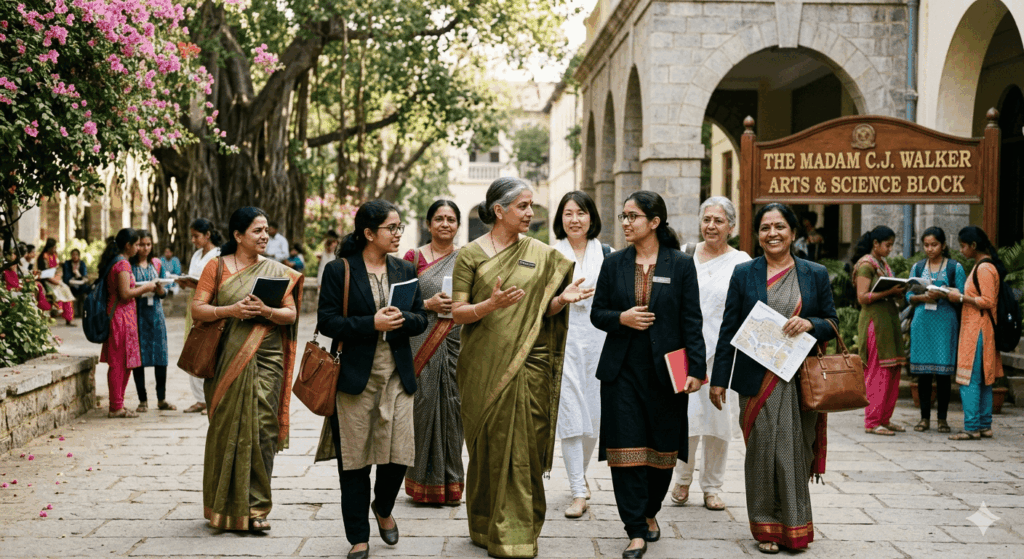

Choosing IIT can be a transformative decision for women seeking quality education.
Key Benefits
- World-class education and faculty
- Industry-relevant curriculum
- Global exposure and career opportunities
- Strong support systems for women
- Opportunities for leadership and innovation
Encouraging More Women to Study
To increase women’s participation in education, collective efforts are required:
- Families should encourage daughters to pursue higher education
- Schools must promote STEM learning for girls
- Institutions should provide mentorship and scholarships
- Society must challenge gender stereotypes
Conclusion
Women who study at the International Institute Of Technology (IIT) stand as powerful symbols of innovation, leadership, and progress in today’s rapidly evolving world. Their journey is not defined solely by academic achievements but by the courage to challenge norms, the determination to overcome barriers, and the resilience to transform aspirations into reality. Each woman who enters IIT brings with her a story of ambition and perseverance, and through education, she shapes not only her own future but also contributes to the advancement of society as a whole.
The presence of women in a technical and competitive environment like IIT reflects a broader shift toward inclusivity and equal opportunity in education. These women are preparing to become engineers, researchers, entrepreneurs, and leaders who will influence industries and communities globally. Their participation enriches the academic environment, bringing diverse perspectives that foster creativity, collaboration, and innovation. In fields where problem-solving and critical thinking are essential, this diversity becomes a significant strength.
Despite the progress made, it is important to acknowledge that challenges still exist. Societal expectations, gender biases, and underrepresentation in certain technical domains continue to create obstacles for many women. However, the increasing number of women choosing to pursue higher education, particularly in science and technology, is a clear indication that these barriers are gradually being dismantled. With every step forward, women are redefining what is possible and inspiring future generations to follow their path.
Support systems play a crucial role in this journey. Institutions like IIT contribute by creating inclusive learning environments, offering mentorship opportunities, and encouraging participation in research and innovation. When women are provided with the right resources, guidance, and encouragement, their potential becomes limitless. Equally important is the role of families, communities, and society in fostering a culture that values and promotes women’s education.
The future of women in education, especially in institutions like IIT, is filled with promise. As more women enter these spaces, they will continue to break stereotypes, lead groundbreaking innovations, and contribute to sustainable development. Their success will not only elevate their own lives but will also create a ripple effect that benefits families, industries, and entire nations.
Ultimately, empowering women through education is one of the most impactful investments any society can make. It leads to stronger economies, healthier communities, and more equitable systems. Women who study at IIT exemplify this transformative power. With the right support, opportunities, and mindset, they are capable of achieving extraordinary success across every field they choose to pursue.
Table of Contents