
Center for Student Wellness
International Institute of Technology (IIT)
Abstract
The Center for Student Wellness (CSW) at a hypothetical International Institute of Technology (IIT) represents a structured and multidisciplinary initiative aimed at supporting student well-being in all its dimensions—physical, psychological, emotional, and social. In highly competitive academic environments such as technology-focused institutes, students often face intense academic pressure, career uncertainty, and lifestyle imbalances. As a result, institutions increasingly recognize that academic excellence cannot be sustained without strong foundations in mental health, emotional resilience, and holistic development. The CSW functions as both a preventive and responsive ecosystem designed to help students thrive rather than merely survive their academic journey.
At its core, the CSW is typically structured as an integrated support system composed of psychologists, counselors, wellness coaches, medical professionals, peer mentors, and student coordinators. This multidisciplinary team ensures that students have access to varied forms of support depending on their needs. While professional counselors address mental health concerns such as anxiety, depression, burnout, or adjustment difficulties, peer mentors provide relatable guidance on academic stress, time management, and social integration. Medical staff ensure physical well-being, while wellness coordinators design programs that promote long-term healthy habits.
One of the primary functions of the CSW is mental health support. In institutes like IITs, where academic workload can be demanding, students often experience chronic stress, performance anxiety, and emotional exhaustion. The CSW typically provides confidential counseling services, crisis intervention, and therapy sessions. Early identification of mental health concerns is a key priority, often achieved through awareness campaigns, self-assessment tools, and faculty referrals. Importantly, reducing stigma around mental health is central to the CSW’s mission. Workshops and open discussions help normalize seeking help and encourage students to view mental health care as a strength rather than a weakness.
Another major component of the CSW is stress management and resilience building. The center organizes structured programs such as mindfulness training, yoga sessions, meditation workshops, and cognitive behavioral skill-building sessions. These initiatives aim to equip students with practical tools to manage academic pressure and emotional fluctuations. Additionally, time management and productivity workshops help students balance coursework, research, internships, and personal life. By promoting resilience, the CSW ensures that students can adapt to challenges without experiencing long-term psychological distress.
Social well-being is also a critical focus area. Many students in rigorous academic institutions struggle with isolation due to demanding schedules and competitive environments. The CSW addresses this by facilitating peer engagement initiatives, student support groups, and community-building events. Clubs, hobby circles, and informal gatherings help students form meaningful social connections beyond academics. These interactions contribute significantly to emotional stability and a sense of belonging, which are essential for long-term well-being.
Physical wellness is equally emphasized. The CSW often collaborates with sports departments and health services to encourage regular physical activity, balanced nutrition, and adequate sleep habits. Fitness programs, sports tournaments, and wellness challenges are designed to make physical health engaging and accessible. Nutrition awareness campaigns and periodic health check-ups ensure that students maintain healthy lifestyles despite academic pressures.
In addition to direct student services, the CSW plays an important role in faculty sensitization and institutional policy development. Faculty members are often trained to recognize early signs of student distress and to adopt supportive teaching practices. The CSW may also advise administration on workload distribution, academic scheduling, and examination policies to reduce unnecessary stress triggers. This systemic approach ensures that student wellness is not treated as an isolated service but as an institutional priority embedded within academic governance.
Despite its importance, the CSW faces several challenges. One major challenge is stigma associated with mental health, which can prevent students from seeking help. Even in progressive academic environments, students may fear judgment or academic repercussions. Another challenge is resource limitation, including insufficient counselors relative to student population size. High demand for services can lead to long waiting times, reducing the effectiveness of interventions. Additionally, cultural diversity among students requires the CSW to adopt inclusive and culturally sensitive approaches to counseling and program design.
Another issue is engagement. While wellness programs are widely available, student participation is sometimes low due to academic overload or lack of awareness. Bridging this gap requires continuous outreach, integration of wellness into academic schedules, and innovative engagement strategies such as digital wellness platforms and gamified mental health initiatives.
Looking toward the future, CSWs in IIT-like institutions are expected to evolve into more technology-enabled and data-driven ecosystems. Digital mental health platforms, AI-assisted screening tools, and mobile wellness applications can help in early detection and continuous monitoring of student well-being. Tele-counseling services can increase accessibility, especially during high-stress academic periods or remote learning scenarios. Furthermore, predictive analytics may help identify at-risk students based on behavioral and academic indicators, enabling timely intervention.
Another important future direction is the integration of wellness into curriculum design. Instead of treating well-being as an external support system, institutions may embed stress management, emotional intelligence, and life skills training into academic programs. This would normalize wellness education and ensure that all students develop essential coping mechanisms as part of their academic journey.
1. Introduction
Institutions of higher education, particularly elite technical institutes such as the International Institute of Technology (IIT), are widely recognized for their rigorous academic standards, fast-paced curricula, and highly competitive environments. These institutions are designed to cultivate innovation, technical expertise, and problem-solving capabilities that meet global standards. However, while this academic intensity contributes significantly to intellectual growth and professional readiness, it also introduces a complex set of pressures that can affect student well-being. The combination of heavy coursework, frequent evaluations, demanding projects, and peer competition often creates an environment where stress becomes a persistent aspect of student life.
The transition from school education to a premier technical institute is a particularly challenging phase for many students. At the school level, learning is often structured, closely guided, and relatively homogeneous in pace. In contrast, higher education in institutions like IITs demands greater autonomy, self-directed learning, and adaptability. Students are suddenly required to manage large volumes of academic content, develop advanced analytical skills, and simultaneously participate in extracurricular and research activities. This sudden shift can lead to feelings of overwhelm, especially among students who are living away from home for the first time. The lack of familiar support systems further intensifies the emotional and psychological adjustment process.
In addition to academic pressure, students also face social adjustment challenges. They come from diverse cultural, linguistic, and socioeconomic backgrounds, and must adapt to a new peer group environment. While diversity enriches campus life, it can also create initial barriers to social integration. Some students may experience loneliness, difficulty in forming friendships, or a sense of isolation in the early stages of their academic journey. These experiences, if unaddressed, can contribute to declining motivation and emotional distress.
Financial stress is another important factor affecting student well-being. Although many students in IITs receive scholarships or financial aid, a significant number still face concerns related to tuition fees, accommodation costs, personal expenses, and family financial expectations. These pressures can create additional mental strain, particularly for students from economically constrained backgrounds. Balancing academic demands with financial worries often becomes an added burden that impacts concentration and performance.
Identity development and self-esteem issues also emerge during this formative stage of life. University years are a critical period for personal growth, during which students explore their interests, values, career aspirations, and long-term goals. In highly competitive environments, however, students may begin to equate self-worth with academic performance. Poor grades or setbacks can lead to self-doubt, anxiety, and fear of failure. Over time, this can affect confidence levels and hinder personal development if adequate support systems are not in place.
Mental health vulnerabilities are increasingly recognized as a serious concern in higher education institutions. Issues such as anxiety, depression, burnout, sleep disorders, and chronic stress are not uncommon among students in demanding academic settings. The stigma surrounding mental health often discourages students from seeking help, exacerbating their difficulties. Without timely intervention, these challenges can escalate and negatively impact academic performance, attendance, and overall quality of life.
In response to these multifaceted challenges, the Center for Student Wellness (CSW) is established as a dedicated institutional framework to promote holistic student well-being. The CSW is not merely a support service but a proactive and preventive ecosystem designed to integrate wellness into the fabric of campus life. Its primary objective is to ensure that students are equipped with the emotional, psychological, and social resources necessary to navigate the complexities of academic life effectively.
The CSW operates on the principle that student success is multidimensional and cannot be measured solely by academic achievement. It emphasizes the importance of mental health, emotional resilience, physical well-being, and social connectedness as equally critical components of student development. By adopting a comprehensive approach, the CSW aims to create a balanced environment where students feel supported, understood, and empowered.
One of the key functions of the CSW is to provide accessible mental health services, including counseling, therapy, and crisis intervention. These services are designed to offer confidential and non-judgmental support to students facing emotional or psychological difficulties. Additionally, the CSW focuses on early identification of distress signals through awareness programs, faculty training, and peer support networks.
Beyond reactive support, the CSW places strong emphasis on preventive care. This includes stress management workshops, mindfulness training, wellness seminars, and life skills development programs. These initiatives help students build resilience and develop coping mechanisms to handle academic and personal challenges effectively.
The CSW also plays a crucial role in fostering a sense of community on campus. Through peer engagement programs, student clubs, and wellness events, it encourages social interaction and belongingness. A strong sense of community is essential in reducing feelings of isolation and promoting emotional stability.
2. Objectives of the Center for Student Wellness
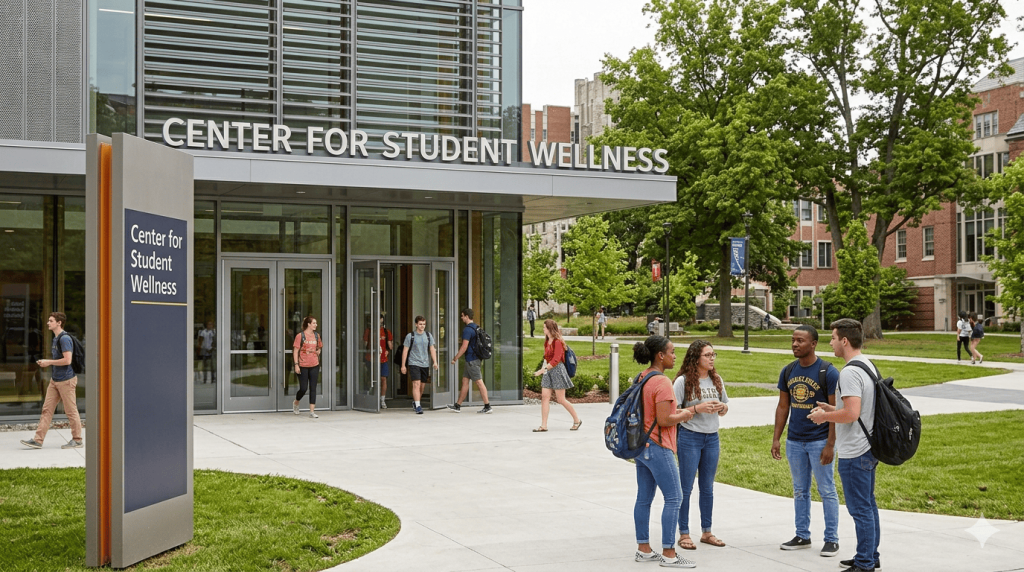
The primary objectives of a CSW at IIT include:
- Promoting Mental Health Awareness: Educating students about psychological well-being and reducing stigma around mental health issues.
- Providing Counseling Services: Offering professional psychological counseling for stress, anxiety, depression, and academic burnout.
- Enhancing Emotional Resilience: Equipping students with coping mechanisms to manage academic and personal challenges.
- Encouraging Physical Wellness: Promoting healthy lifestyles through fitness programs, nutrition guidance, and recreational activities.
- Building Community Support Systems: Creating peer support groups and mentorship programs.
- Facilitating Crisis Intervention: Providing immediate assistance for students facing urgent psychological or emotional crises.
- Fostering Holistic Development: Encouraging balance between academics, extracurricular activities, and personal growth.
3. Organizational Structure
A well-functioning CSW typically includes a multidisciplinary team:
3.1 Mental Health Professionals
Psychologists, psychiatrists, and counselors form the backbone of the wellness center. They provide therapy sessions, assessments, and treatment plans for students.
3.2 Wellness Coordinators
These individuals manage programs, workshops, and outreach initiatives.
3.3 Peer Mentors
Trained senior students who support juniors in adjusting to academic and social life.
3.4 Administrative Staff
Responsible for scheduling, record-keeping, and coordination with academic departments.
3.5 Medical Consultants
Physicians and health advisors support physical health needs and referrals.
4. Core Services Offered
4.1 Individual Counseling
One-on-one sessions between students and counselors help address personal, academic, or emotional issues. Common concerns include:
- Academic stress
- Relationship issues
- Anxiety and depression
- Time management difficulties
4.2 Group Therapy
Group sessions allow students to share experiences and learn coping strategies in a supportive environment.
4.3 Workshops and Seminars
Regular workshops focus on:
- Stress management
- Mindfulness and meditation
- Study skills and productivity
- Emotional intelligence
4.4 Crisis Intervention Services
24/7 support systems are essential for handling emergencies such as panic attacks, suicidal ideation, or trauma.
4.5 Health and Fitness Programs
Activities include yoga sessions, gym access, sports events, and nutrition awareness campaigns.
4.6 Digital Wellness Platforms
Online portals and apps allow students to book counseling sessions, access mental health resources, and participate in virtual workshops.
5. Importance of Student Wellness in IIT Environments
5.1 Academic Pressure
Students at IITs often face intense academic workloads, competitive grading systems, and demanding project requirements. Without proper support, this can lead to burnout.
5.2 Transition Challenges
Many students move away from home for the first time, facing cultural, linguistic, and social adaptation challenges.
5.3 Mental Health Concerns
Studies globally indicate rising levels of anxiety, depression, and stress among engineering students.
5.4 Social Isolation
Despite being surrounded by peers, students may feel isolated due to academic pressure or personal struggles.
The CSW plays a crucial role in addressing these issues proactively.
6. Psychological Support Systems
6.1 Cognitive Behavioral Therapy (CBT)
CBT helps students identify and change negative thought patterns that affect academic performance and emotional health.
6.2 Mindfulness-Based Stress Reduction
Mindfulness techniques improve concentration, reduce anxiety, and enhance emotional regulation.
6.3 Behavioral Coaching
Focuses on building habits for productivity, discipline, and balanced routines.
6.4 Psychiatric Support
For severe cases, medication and clinical intervention may be recommended.
7. Peer Support and Community Building
Peer engagement is one of the most effective strategies for improving student wellness.
7.1 Mentorship Programs
Senior students guide juniors in academic planning, course selection, and campus life adaptation.
7.2 Student Support Groups
These groups provide safe spaces for sharing experiences and challenges.
7.3 Clubs and Extracurricular Activities
Participation in clubs fosters creativity, teamwork, and emotional balance.
8. Physical Wellness Initiatives
Physical health is closely linked to mental well-being. CSW programs often include:
- Fitness challenges
- Sports tournaments
- Yoga and meditation sessions
- Nutrition counseling
- Sleep hygiene awareness campaigns
9. Digital Transformation in Wellness Services
Modern CSWs increasingly rely on digital tools:
9.1 Tele-Counseling
Online therapy sessions increase accessibility and reduce stigma.
9.2 Wellness Apps
Apps provide mood tracking, self-help tools, and relaxation exercises.
9.3 AI-Based Monitoring
Some systems use data analytics to identify students at risk based on behavioral patterns.
10. Challenges Faced by the Center for Student Wellness
10.1 Stigma Around Mental Health
Many students hesitate to seek help due to societal stigma.
10.2 Resource Limitations
Limited number of counselors compared to student population.
10.3 Awareness Gaps
Students may not be fully aware of available services.
10.4 Cultural Diversity
Different cultural backgrounds influence how students perceive mental health.
10.5 Privacy Concerns
Ensuring confidentiality is critical for trust-building.
11. Strategies for Improvement
11.1 Increasing Counselor Availability
Hiring more professionals to reduce wait times.
11.2 Awareness Campaigns
Regular outreach programs to educate students about mental health.
11.3 Faculty Training
Training professors to identify and support struggling students.
11.4 Anonymous Help Channels
Hotlines and chat services to encourage help-seeking behavior.
11.5 Integration with Academic Systems
Embedding wellness into academic policies and evaluation systems.
12. Role of Faculty and Administration
Faculty members play a key role in student wellness by:
- Identifying early signs of distress
- Offering academic flexibility when needed
- Encouraging students to seek help
Administration supports by:
- Allocating funding
- Setting institutional policies
- Ensuring infrastructure for wellness programs
13. Case Studies and Best Practices
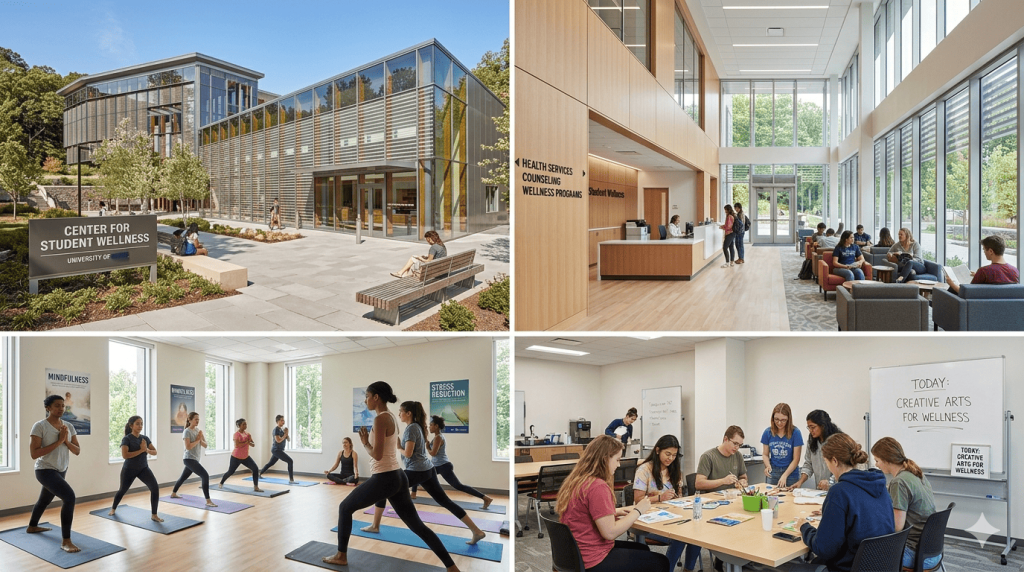
While specific institutional case studies vary, successful CSWs typically demonstrate:
- High student engagement
- Reduced dropout rates
- Improved academic performance
- Increased mental health awareness
Best practices include proactive outreach, peer integration, and continuous feedback systems.
14. Future of Student Wellness Centers in IITs
The future of CSWs is likely to include:
- AI-driven mental health diagnostics
- Personalized wellness plans
- Integration of wearable technology
- Expanded telehealth services
- Greater emphasis on preventive mental health care
15. Conclusion
The Center for Student Wellness (CSW) at an International Institute of Technology represents far more than a supplementary support system; it is a foundational pillar of a modern, student-centered educational ecosystem. In institutions where academic rigor, technological advancement, and competitive excellence define daily life, student well-being becomes a critical determinant of sustainable success. The CSW bridges the gap between academic achievement and holistic development by ensuring that students are not only intellectually capable but also emotionally stable, socially connected, and psychologically resilient.
In contemporary higher education, especially within premier technical institutes, the traditional focus on grades, rankings, and placements is no longer sufficient to define institutional success. Students today operate in environments characterized by rapid technological change, high expectations, and continuous performance evaluation. While these conditions foster innovation and discipline, they can also lead to stress, burnout, and emotional exhaustion if not balanced with structured wellness support. The CSW plays a crucial role in mitigating these risks by embedding well-being into the academic culture of the institution.
One of the most significant contributions of the CSW is its ability to normalize conversations around mental health and emotional struggles. By offering counseling services, peer support systems, and awareness initiatives, it reduces the stigma associated with seeking help. This cultural shift encourages students to view mental health care as an essential aspect of personal development rather than a sign of weakness. Over time, such normalization fosters a more open, empathetic, and supportive campus environment.
Additionally, the CSW enhances student resilience by equipping individuals with practical coping strategies. Through stress management programs, mindfulness practices, and life skills workshops, students learn how to navigate academic pressure, interpersonal challenges, and personal setbacks more effectively. These skills extend beyond the classroom, preparing students for professional environments where adaptability, emotional intelligence, and resilience are equally important as technical expertise.
The CSW also contributes significantly to improving institutional outcomes. Healthy students are more likely to perform better academically, engage actively in campus life, and persist through challenges without discontinuing their education. As a result, wellness initiatives indirectly support improved retention rates, higher academic achievement, and stronger overall institutional reputation. Furthermore, by fostering a sense of belonging and community, the CSW helps reduce isolation and promotes collaborative learning environments, which are essential in technical education.
Despite its importance, the effectiveness of a CSW depends on continuous improvement, adequate resources, and institutional commitment. Expanding access to mental health professionals, integrating digital wellness tools, and strengthening early intervention systems are essential for future growth. Equally important is the need to involve faculty, administrators, and students themselves in creating a culture of shared responsibility for well-being.
Table of Contents