Gate Pass
Introduction
In large educational institutions such as the International Institute of Technology (IIT), maintaining discipline, safety, and accountability is essential for smooth functioning. One of the key administrative tools used to ensure these objectives is the Gate Pass system. A Gate Pass is an official authorization that allows students, staff, or visitors to enter or exit the campus under specific conditions. Though it may appear to be a simple procedural formality, the Gate Pass system plays a crucial role in institutional governance, student safety, and operational management.
This document provides an in-depth exploration of the Gate Pass system at IIT, covering its purpose, types, procedures, importance, challenges, and modernization. The aim is to offer a comprehensive understanding of how such a system contributes to the overall ecosystem of a premier educational institution.
Purpose of the Gate Pass System
The primary purpose of the Gate Pass system is to regulate and monitor movement within and outside the campus. Educational institutions like IIT often host thousands of students, faculty, and visitors daily, making unrestricted access impractical and potentially unsafe. The system ensures that every entry and exit is recorded and authorized, thereby maintaining order and accountability.
Additionally, the Gate Pass system helps in safeguarding students, particularly those residing in hostels. By requiring permission for leaving campus premises, the institution can ensure that students are aware of rules and that their whereabouts are documented in case of emergencies. It also assists in preventing unauthorized individuals from entering the campus, thereby enhancing overall security.
Types of Gate Passes
The Gate Pass system typically includes several types, each designed to serve different needs:
- Student Gate Pass – Issued to students for leaving campus temporarily or for extended periods such as weekends or vacations. These passes often require approval from hostel wardens or academic authorities.
- Staff Gate Pass – Used by faculty and staff members when exiting campus during working hours or transporting official materials.
- Visitor Gate Pass – Granted to guests, parents, or external individuals who wish to enter the campus. These passes are usually issued at the security gate upon verification of identity and purpose.
- Emergency Gate Pass – Issued under urgent circumstances such as medical emergencies. These are processed quickly to ensure timely response.
Each type is designed to address specific scenarios while maintaining a uniform structure of authorization and verification.
Procedures Involved
The process of obtaining a Gate Pass generally involves a series of steps to ensure authenticity and accountability. For students, this may include filling out a form—either online or offline—stating the reason for leaving, duration, and destination. The request is then reviewed and approved by the relevant authority, such as a warden or department head.
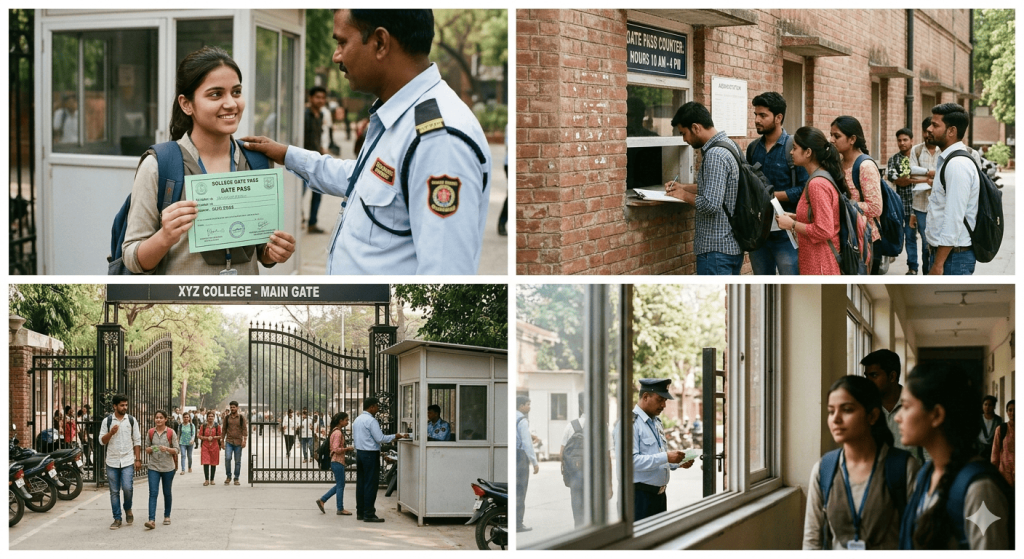
Once approved, the pass is generated and must be presented at the campus gate. Security personnel verify the details before granting permission to exit or enter. In some institutions, biometric verification or ID card scanning is also integrated into the process to enhance accuracy.
Visitor passes follow a slightly different procedure, often requiring identity proof and a record of the host being visited. This ensures that all visitors are traceable and authorized.
Importance of the Gate Pass System
The significance of the Gate Pass system extends beyond basic administrative control. It plays a vital role in ensuring student safety by keeping track of movements, especially in residential campuses. In case of emergencies, such as accidents or natural disasters, the institution can quickly determine who is on or off campus.
Moreover, the system fosters discipline among students by encouraging them to follow established protocols. It also provides a sense of security to parents, knowing that their children are in a regulated environment.
From an administrative perspective, the data collected through gate passes can be used for analysis and planning. For instance, patterns in student movement can help in improving transportation services or campus facilities.
Challenges in Implementation
Despite its benefits, the Gate Pass system is not without challenges. Traditional paper-based systems can be time-consuming, prone to errors, and difficult to manage at scale. Delays in approval or long queues at gates can cause inconvenience to students and staff.
There is also the risk of misuse, such as forging passes or providing false information. Ensuring strict verification without creating unnecessary hurdles is a delicate balance that institutions must maintain.
Additionally, resistance from students who perceive the system as restrictive can pose challenges. Institutions must therefore communicate the purpose and benefits clearly to ensure cooperation.
Modernizatin and Technological Integration
To address these challenges, many institutions are transitioning to digital Gate Pass systems. These systems use mobile applications, web portals, and smart ID cards to streamline the process. Students can apply for passes online, receive approvals instantly, and use QR codes or RFID-enabled cards for quick verification at gates.
Such modernization not only reduces paperwork but also enhances accuracy and efficiency. Real-time tracking and automated record-keeping make it easier for administrators to monitor campus activity. Integration with other systems, such as attendance and hostel management, further improves overall functionality.
Advanced technologies like facial recognition and GPS tracking are also being explored to make the system more secure and user-friendly. However, institutions must ensure that these technologies are implemented with proper attention to privacy and ethical considerations.
1. Understanding the Gate Pass System
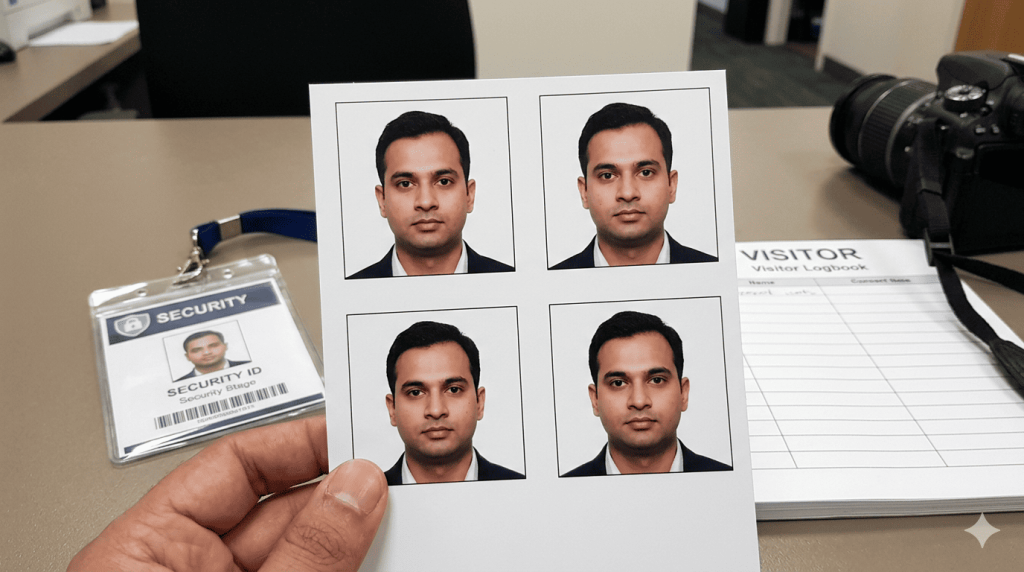
A Gate Pass is essentially a documented permission granted by the institute authorities to regulate the movement of individuals and materials across campus boundaries. It acts as a control mechanism to ensure that all entries and exits are authorized, recorded, and monitored.
At IIT, where thousands of students reside in hostels and academic activities run round-the-clock, managing movement is a complex task. The Gate Pass system provides a structured framework to handle this efficiently.
2. Objectives of the Gate Pass System
The Gate Pass system at IIT is designed with several key objectives:
- Security: To prevent unauthorized entry and exit.
- Accountability: To maintain records of movement.
- Discipline: To ensure students adhere to institutional rules.
- Safety: To track students during emergencies.
- Asset Protection: To monitor movement of equipment and materials.
These objectives collectively contribute to maintaining a secure and orderly campus environment.
3. Types of Gate Passes
The Gate Pass system at IIT typically includes multiple categories based on purpose and duration:
a. Student Exit Pass
This is the most common type, used by students who wish to leave the campus temporarily. It includes details such as:
- Name and ID
- Destination
- Purpose
- Duration of absence
- Approval from hostel warden
b. Late Night Pass
Issued to students who need to return to campus after designated hours. This is usually granted under special circumstances such as academic work, competitions, or emergencies.
c. Leave Pass
For extended absence, such as vacations or medical leave. It often requires parental consent and higher-level authorization.
d. Visitor Pass
Issued to guests entering the campus. Visitors must provide identification and state their purpose of visit.
e. Material Gate Pass
Used when equipment, lab materials, or personal belongings are taken out of the campus. This ensures institutional assets are not misused or stolen.
f. Staff Gate Pass
For faculty and staff movement, especially when carrying official materials outside campus.
4. Procedure for Obtaining a Gate Pass
The process for obtaining a Gate Pass at IIT is systematic and varies slightly depending on the type:
Step 1: Application
The individual fills out a request form—either physical or digital—providing necessary details.
Step 2: Verification
Details are verified by the concerned authority (e.g., hostel warden, department head).
Step 3: Approval
Approval is granted based on institutional policies and the validity of the request.
Step 4: Issuance
A Gate Pass is generated with a unique ID or barcode.
Step 5: Entry/Exit Logging
At the gate, security personnel verify the pass and log the movement.
Step 6: Return Verification
For temporary passes, return time is recorded to ensure compliance.
5. Role of Technology in Gate Pass Systems
Modern IIT campuses are increasingly adopting digital solutions to streamline Gate Pass management. These include:
- Online Portals: Students can apply for passes through web or mobile applications.
- QR Codes: For quick scanning at entry/exit points.
- Biometric Integration: Linking passes with fingerprint or facial recognition systems.
- Real-Time Tracking: Monitoring movement instantly.
- Automated Alerts: Notifications to parents or authorities in case of delays.
These technologies enhance efficiency, reduce paperwork, and minimize human error.
6. Importance of the Gate Pass System
The Gate Pass system is not merely administrative—it is foundational to campus life:
a. Ensuring Safety
By tracking who is inside or outside the campus, authorities can respond effectively during emergencies such as natural disasters or security threats.
b. Promoting Discipline
Students become more responsible when their movements are monitored and recorded.
c. Preventing Unauthorized Access
Strict entry protocols protect the campus from external threats.
d. Facilitating Accountability
In case of incidents, movement records help in investigations.
e. Managing Resources
Monitoring material movement prevents loss and misuse.
7. Challenges in the Gate Pass System
Despite its advantages, the system is not without challenges:
a. Administrative Burden
Manual systems can be time-consuming and prone to delays.
b. Student Inconvenience
Strict rules may feel restrictive to students.
c. Human Error
Mistakes in recording or verifying data can occur.
d. Security Loopholes
If not properly enforced, passes can be misused.
e. Resistance to Change
Transitioning to digital systems may face initial resistance.
8. Solutions and Improvements
To address these challenges, IITs can adopt several measures:
- Digitization: Fully automated systems reduce paperwork.
- User-Friendly Interfaces: Simplify application processes.
- Awareness Programs: Educate students on the importance of the system.
- Regular Audits: Ensure compliance and identify loopholes.
- Integration with Campus Systems: Link gate passes with ID cards and academic portals.
9. Ethical and Privacy Considerations
As the Gate Pass system at the International Institute of Technology (IIT) becomes increasingly digitized, ethical and privacy considerations emerge as critical aspects of its implementation and operation. While technological advancements bring efficiency, automation, and enhanced security, they also introduce risks related to the collection, storage, and use of personal data. Therefore, IIT must adopt a balanced approach that safeguards individual privacy while maintaining institutional security.
One of the foremost concerns is data security. A digital Gate Pass system collects sensitive information such as names, identification details, movement logs, and sometimes even biometric data. If not properly protected, this data can become vulnerable to unauthorized access, breaches, or misuse. To mitigate these risks, IIT must implement robust cybersecurity measures, including encryption, secure servers, multi-factor authentication, and regular system audits. Access to data should be restricted to authorized personnel only, and strict protocols must be in place to prevent internal misuse. Ensuring data security is not just a technical requirement but also a fundamental responsibility toward all users of the system.
Equally important is transparency in how data is collected and used. Users—whether students, staff, or visitors—should be clearly informed about what information is being gathered, why it is necessary, and how long it will be retained. Transparent communication builds trust and reduces concerns about hidden surveillance or misuse of data. IIT can achieve this by providing clear privacy policies, user agreements, and regular updates whenever changes are made to the system. When individuals understand the purpose behind data collection, they are more likely to cooperate and engage with the system responsibly.
Consent is another essential principle in ethical data management. Wherever applicable, users should have the opportunity to provide informed consent before their data is collected or processed. This is particularly relevant when advanced technologies such as biometric authentication or facial recognition are involved. Consent should be voluntary, specific, and based on a clear understanding of the implications. IIT must also ensure that users have the option to withdraw consent where feasible, without facing undue disadvantages. Respecting user autonomy in this way reinforces ethical standards and aligns with global best practices in data protection.
In addition to security and consent, IIT must be cautious about the extent of surveillance. While monitoring entry and exit is necessary for safety, excessive or intrusive tracking can infringe on individual privacy and create a sense of discomfort among users. For example, constant real-time tracking of students’ locations beyond what is necessary for security purposes may be perceived as overreach. Therefore, the system should be designed to collect only the minimum amount of data required to fulfill its purpose—a principle known as data minimization. Limiting surveillance to essential activities helps maintain a healthy balance between oversight and personal freedom.
Another important consideration is data retention and disposal. IIT should establish clear policies regarding how long gate pass records are stored and ensure that outdated or unnecessary data is securely deleted. Retaining data indefinitely not only increases the risk of breaches but also raises ethical concerns about long-term monitoring.
Furthermore, accountability mechanisms must be in place to address any misuse or violations. This includes establishing grievance redressal systems where users can report concerns related to privacy or data handling. Regular training and awareness programs for staff handling the system can also help reinforce ethical practices and prevent unintentional lapses.
10. Case Studies and Practical Scenarios
Scenario 1: Emergency Exit
A student needs to leave urgently due to a medical issue. The system allows quick approval and alerts authorities for support.
Scenario 2: Late Return
A student returns after permitted hours. The system flags the delay and notifies the warden.
Scenario 3: Equipment Removal
A lab assistant takes equipment off-campus for repair. A material pass ensures proper documentation and return.
These examples highlight the system’s practical utility.
11. Future of Gate Pass Systems at IIT
As educational institutions continue to evolve in the digital age, the Gate Pass system at the International Institute of Technology (IIT) is poised for significant transformation. The future of this system lies in the adoption of intelligent, integrated technologies that not only enhance security but also improve user experience and administrative efficiency. Moving beyond traditional and even basic digital systems, IIT can leverage advanced innovations to create a smart, responsive, and highly secure access management ecosystem.
One of the most promising developments is AI-based monitoring. By incorporating Artificial Intelligence, the Gate Pass system can move from reactive to predictive functionality. Instead of merely recording entries and exits, AI algorithms can analyze patterns in movement data to detect unusual or suspicious behavior. For instance, if a student frequently exits at irregular hours or if there is an unexpected surge in visitor entries, the system can flag these anomalies for further review. This predictive capability allows the administration to take proactive measures, thereby strengthening campus security and preventing potential risks before they escalate.
Another transformative innovation is the use of Blockchain technology for record-keeping. Traditional databases, even digital ones, can be vulnerable to tampering or unauthorized access. Blockchain, with its decentralized and immutable nature, ensures that all gate pass records are securely stored and cannot be altered without proper authorization. Each transaction—whether it is the issuance of a pass or an entry/exit log—is recorded as a block in the chain, creating a transparent and tamper-proof system. This not only enhances trust but also provides a reliable audit trail for administrative and legal purposes.
The integration of the Internet of Things (IoT) can further revolutionize the Gate Pass system. Smart gates equipped with sensors, RFID readers, and automated barriers can enable seamless and contactless entry and exit. For example, students and staff could use RFID-enabled ID cards or smartphones to pass through gates without manual verification. Sensors can also monitor crowd density and movement in real time, helping in better crowd management and ensuring safety during peak hours or special events. Such automation reduces human intervention, minimizes errors, and significantly speeds up the process.
In addition, the shift toward mobile-first platforms is likely to redefine user interaction with the Gate Pass system. With the widespread use of smartphones, dedicated mobile applications can serve as a one-stop solution for applying, approving, and verifying gate passes. Students can request permissions, receive instant approvals, and generate QR codes directly on their devices. Notifications and alerts can keep users informed about the status of their requests or any changes in campus policies. This level of convenience not only improves user satisfaction but also reduces administrative workload.
Furthermore, these technologies can be integrated into a unified platform that connects various campus systems, such as hostel management, attendance tracking, and emergency response systems. Such integration ensures that data flows seamlessly across departments, enabling more informed decision-making and coordinated responses.
Conclusion
The Gate Pass system at the International Institute of Technology (IIT) is a vital component of campus administration. It ensures safety, discipline, and accountability while facilitating smooth operations. Though it may seem restrictive at times, its benefits far outweigh the inconveniences.
With the integration of modern technology and continuous improvements, the Gate Pass system can evolve into a highly efficient and user-friendly mechanism. Ultimately, it contributes to creating a secure and well-regulated academic environment where students and staff can focus on learning, research, and innovation.
Table of Contents