
Safety and Fire
Management at the International Institute of Technology (IIT)
Introduction
Safety is a foundational pillar of any educational institution, and its importance is amplified in technical institutes where laboratories, workshops, electrical installations, and dense populations increase the potential for accidents. Among all safety concerns, fire safety stands out as particularly critical due to the presence of flammable materials, sophisticated equipment, and continuous human activity. The International Institute of Technology (IIT), as a premier center of academic excellence, carries a significant responsibility to ensure a secure environment for its students, faculty, staff, and visitors. A comprehensive approach to safety and fire management is therefore essential, encompassing risk assessment, preventive measures, emergency preparedness, infrastructure, policies, and continuous improvement.
Risk assessment forms the backbone of effective fire safety management. At IIT, this involves identifying potential fire hazards across various campus zones such as laboratories, hostels, libraries, cafeterias, and administrative buildings. Laboratories, for instance, may contain volatile chemicals, gas cylinders, and electrical apparatus, all of which pose fire risks if not handled properly. Electrical systems, especially in older buildings, may also present hazards due to faulty wiring or overloading. By conducting regular safety audits and inspections, the institution can identify vulnerabilities and implement corrective measures before incidents occur.
Prevention strategies play a crucial role in minimizing fire risks. IIT emphasizes strict adherence to safety protocols, particularly in laboratories and workshops. Proper storage of chemicals, safe disposal of hazardous waste, and regular maintenance of electrical equipment are key preventive measures. Additionally, the campus enforces a no-smoking policy in sensitive areas and ensures that flammable materials are kept away from ignition sources. The installation of fire-resistant materials in construction and interior design further reduces the likelihood of fire spread.
Infrastructure is another critical component of fire safety. IIT campuses are typically equipped with modern fire detection and suppression systems, including smoke detectors, heat sensors, fire alarms, and sprinkler systems. Fire extinguishers are strategically placed across buildings, with clear instructions for use. Emergency exits are well-marked and designed to allow quick evacuation. In high-risk areas such as laboratories, specialized fire suppression systems, such as gas-based extinguishers, are installed to handle specific types of fires. Regular maintenance and testing of these systems ensure their reliability during emergencies.
Emergency preparedness is essential for effective fire management. IIT conducts periodic fire drills to familiarize students and staff with evacuation procedures and emergency protocols. These drills help reduce panic and ensure a coordinated response during actual incidents. Emergency response teams, often comprising trained staff and security personnel, are designated to handle fire situations. Clear communication systems, including alarms and public address systems, are in place to provide timely instructions during emergencies.
Policies and regulations provide the framework for maintaining safety standards. IIT follows national and international safety guidelines, including building codes and fire safety regulations. Institutional policies outline responsibilities for safety compliance, ensuring accountability at all levels. Departments are required to maintain safety records, conduct regular inspections, and report potential hazards. Strict enforcement of these policies ensures that safety is not compromised.
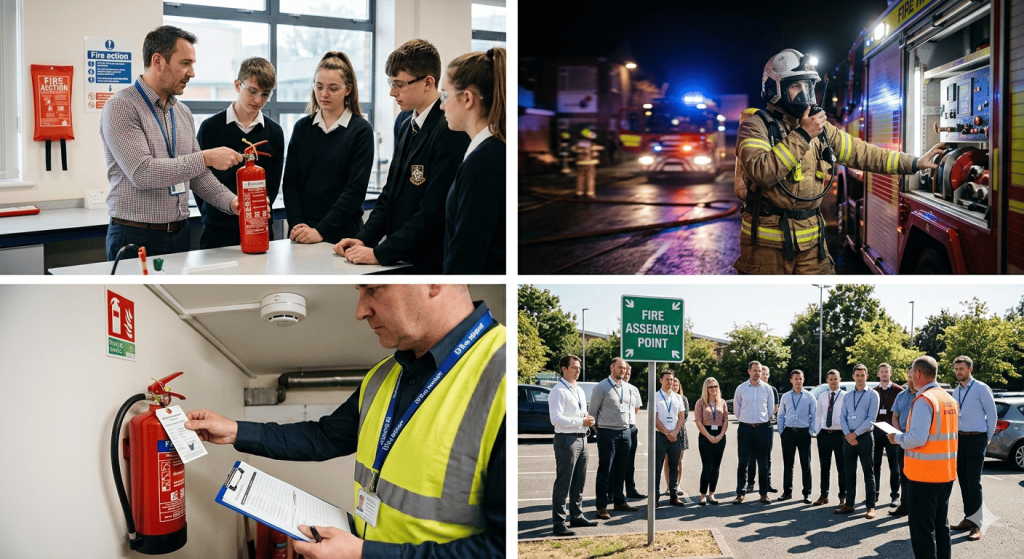
Training and awareness programs are vital in fostering a culture of safety. IIT organizes workshops, seminars, and training sessions to educate students and staff about fire hazards, safe practices, and emergency response techniques. Hands-on training in the use of fire extinguishers and first aid equips individuals with the skills needed to respond effectively in critical situations. Awareness campaigns, including posters and digital communications, reinforce safety messages across the campus.
Despite robust systems, continuous improvement is necessary to address evolving challenges. Advances in technology offer opportunities to enhance fire safety through smart monitoring systems, automated alerts, and data-driven risk analysis. IIT can integrate Internet of Things (IoT) devices to monitor environmental conditions and detect anomalies in real time. Upgrading older infrastructure and incorporating sustainable, fire-resistant materials can further strengthen safety measures.
Importance of Safety in IIT Campuses
Safety in an IIT campus is not merely a regulatory requirement but a moral obligation. The institute accommodates thousands of individuals daily, including students residing in hostels, faculty conducting research, and administrative staff managing operations.
Key Reasons for Emphasizing Safety
- Protection of Human Life
The primary objective of safety systems is to prevent loss of life and injury. - Preservation of Infrastructure
IIT campuses house advanced laboratories, libraries, and expensive equipment that must be safeguarded. - Continuity of Academic Activities
Fire incidents or accidents can disrupt academic schedules and research work. - Legal Compliance
Institutes must adhere to national and international safety standards and fire codes. - Reputation Management
Safety incidents can negatively impact the reputation of an institution.
Fire Hazards in IIT Environments
IIT campuses contain diverse environments, each with unique fire risks.
1. Academic Buildings
- Electrical wiring and overloaded circuits
- Computer labs with high energy consumption
- Air conditioning systems
2. Laboratories
- Flammable chemicals
- Gas cylinders
- Open flames in experiments
3. Hostels
- Cooking appliances
- Electrical misuse (heaters, kettles)
- Overcrowding
4. Libraries
- Large quantities of paper
- Wooden furniture
- Electrical equipment
5. Workshops
- Welding equipment
- Sparks and high-temperature operations
- Combustible materials
Fire Safety Infrastructure at IIT
Modern IIT campuses are equipped with advanced fire safety systems designed to detect, control, and extinguish fires.
1. Fire Detection Systems
- Smoke detectors
- Heat sensors
- Flame detectors
- Centralized alarm systems
These systems ensure early detection, allowing prompt action.
2. Fire Suppression Systems
- Fire extinguishers (CO₂, foam, dry powder)
- Automatic sprinkler systems
- Fire hydrant networks
- Hose reels
3. Emergency Exits
- Clearly marked escape routes
- Fire-resistant staircases
- Illuminated exit signage
4. Fire Control Rooms
- Central monitoring of alarms
- Communication systems
- Emergency coordination
Fire Prevention Strategies
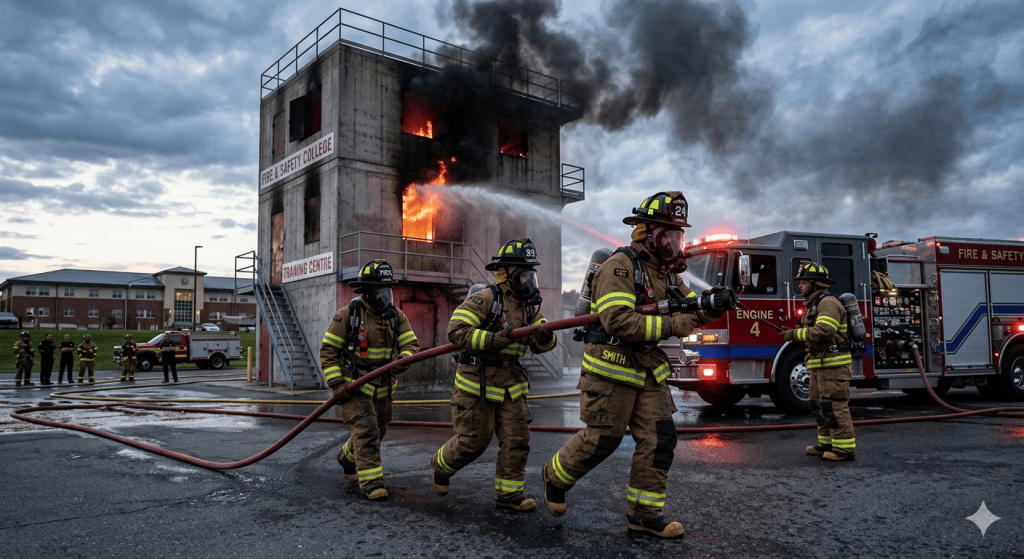
Prevention is always better than response. IIT implements several proactive measures to reduce fire risks.
1. Electrical Safety
- Regular inspection of wiring
- Avoidance of overloaded circuits
- Use of certified electrical equipment
2. Chemical Safety
- Proper storage of flammable substances
- Labeling of chemicals
- Use of fireproof cabinets
3. Housekeeping
- Removal of waste materials
- Organized storage
- Clear pathways
4. Smoking Regulations
- Designated smoking zones
- Strict prohibition in sensitive areas
5. Maintenance
- Regular servicing of fire equipment
- Inspection of extinguishers and alarms
Fire Safety Policies and Regulations
IIT campuses follow structured safety policies aligned with national standards.
Key Policy Components
- Fire Safety Manual
Detailed procedures for prevention, response, and evacuation. - Emergency Response Plan
Step-by-step actions during fire incidents. - Safety Committees
Dedicated teams responsible for monitoring compliance. - Audit Systems
Periodic inspections to identify hazards.
Emergency Preparedness
Preparedness ensures that individuals respond effectively during emergencies.
1. Fire Drills
- Conducted regularly
- Simulated evacuation scenarios
- Evaluation of response time
2. Training Programs
- Fire extinguisher usage
- Evacuation techniques
- First aid training
3. Awareness Campaigns
- Posters and signage
- Workshops and seminars
- Orientation programs for new students
Roles and Responsibilities
Effective fire safety depends on clearly defined responsibilities.
1. Administration
- Policy formulation
- Resource allocation
- Compliance monitoring
2. Faculty
- Ensuring safe laboratory practices
- Supervising students
3. Students
- Following safety guidelines
- Reporting hazards
4. Security Staff
- Monitoring campus
- Responding to alarms
- Assisting evacuation
Fire Incident Response
When a fire occurs, immediate and coordinated action is critical.
Steps in Fire Response
- Raise Alarm
Activate fire alarm system. - Evacuate
Use designated exit routes. - Contain Fire
Use extinguishers if safe. - Call Emergency Services
Inform fire department. - Assist Others
Help injured or disabled individuals.
Challenges in Fire Safety at IIT
Fire safety at the International Institute of Technology (IIT) is supported by well-defined systems and policies, yet several persistent challenges continue to test the effectiveness of these measures. These challenges arise not only from technical limitations but also from human behavior, infrastructural constraints, and the dynamic nature of a growing campus. Understanding these issues is essential for strengthening safety frameworks and minimizing risks.
One of the most significant challenges is human negligence. Even the most advanced safety systems can fail if individuals do not follow established guidelines. Students, staff, and even visitors may sometimes ignore basic safety rules, either due to lack of awareness or complacency. For example, leaving electrical appliances switched on unattended, blocking emergency exits with personal belongings, or mishandling laboratory chemicals can create serious fire hazards. Improper use of equipment is another concern, particularly in laboratories and workshops where specialized tools and machines are used daily.
When users are not adequately trained or choose to bypass safety procedures for convenience, the risk of accidents increases substantially. Human error is unpredictable, making it one of the hardest risks to control, and it highlights the need for continuous awareness programs and strict enforcement of safety norms.
Aging infrastructure is another critical challenge that affects fire safety at IIT. Many institutions, especially those with a long history, operate in buildings constructed decades ago. Over time, electrical wiring systems can deteriorate, insulation can weaken, and circuits may become overloaded due to increased demand. Old wiring is a common cause of electrical fires, particularly when it is not regularly inspected or upgraded. In addition, outdated equipment in laboratories and workshops may not meet modern safety standards.
Older machines may lack built-in safety features, increasing the likelihood of overheating or malfunction. Retrofitting such infrastructure requires significant investment and careful planning, often making it a slow and complex process. Until upgrades are completed, these aging systems continue to pose potential risks.
High population density on campus further complicates fire safety management. IIT campuses typically accommodate large numbers of students, faculty, and staff within relatively compact spaces. Hostels, classrooms, auditoriums, and cafeterias often experience heavy occupancy, especially during peak hours. In such crowded environments, even a small fire incident can escalate quickly, making evacuation more difficult and increasing the risk of injury. Overcrowding can also lead to blocked corridors and exits, either unintentionally or due to poor space management. During emergencies, panic among large groups can hinder orderly evacuation, placing additional pressure on emergency response systems. Managing fire safety in densely populated areas requires not only adequate infrastructure but also well-rehearsed evacuation procedures and effective crowd control strategies.
Rapid expansion of the campus introduces another layer of complexity. As IIT continues to grow, new buildings, laboratories, and facilities are constantly under construction. Construction activities inherently carry fire risks due to the presence of flammable materials, temporary electrical connections, welding operations, and heavy machinery. These sites may not always have fully developed safety systems in place, making them more vulnerable to accidents. Additionally, integrating new structures with existing fire safety infrastructure can be challenging. Ensuring that all new developments comply with safety standards while maintaining the integrity of older systems requires careful coordination. Rapid expansion can sometimes lead to gaps in oversight, where safety measures are not implemented as rigorously as needed.
Another issue linked to expansion and modernization is the increasing complexity of systems on campus. With the introduction of advanced laboratories, high-tech equipment, and digital infrastructure, the nature of fire risks is also evolving. Electrical loads are higher, and specialized environments may require unique fire suppression systems. Keeping up with these changes demands continuous updating of safety protocols and training programs. Without regular adaptation, existing systems may become insufficient to handle new types of hazards.
Addressing these challenges requires a multifaceted approach. Strengthening awareness and accountability can help reduce human negligence. Regular training sessions, strict supervision, and clear consequences for safety violations can encourage responsible behavior. Upgrading aging infrastructure should be treated as a priority, with phased modernization plans to replace outdated wiring and equipment. Managing population density involves better space planning, clear evacuation routes, and frequent drills to prepare occupants for emergencies. For construction activities, strict safety regulations, supervision, and integration with overall campus safety systems are essential.
Technological Advancements in Fire Safety
Modern technology enhances fire safety measures.
1. Smart Fire Detection
- IoT-based sensors
- Real-time monitoring
2. Automated Systems
- AI-based fire detection
- Automated suppression
3. Data Analytics
- Risk prediction
- Incident analysis
Case Studies and Lessons Learned
Studying past incidents helps improve safety systems.
Key Lessons
- Importance of early detection
- Need for regular training
- Value of maintenance
Recommendations for Improvement
To enhance fire safety, IIT can adopt the following measures:
- Upgrade infrastructure
- Increase frequency of drills
- Enhance student awareness
- Implement smart technologies
- Strengthen enforcement of rules
Conclusion
Fire safety at the International Institute of Technology (IIT) is not merely a regulatory requirement but a vital component of responsible campus management. In an environment characterized by advanced laboratories, complex electrical systems, and a dense population of students and staff, the potential risks associated with fire hazards demand constant attention and proactive planning. IIT recognizes that ensuring safety is an ongoing process rather than a one-time effort, and it has therefore adopted a comprehensive approach that integrates infrastructure, policies, training, and community participation.
One of the key strengths of IIT’s fire safety framework lies in its investment in modern infrastructure. The installation of fire detection and suppression systems, including smoke detectors, fire alarms, sprinklers, and specialized extinguishers, plays a crucial role in minimizing the impact of fire incidents. These systems are strategically placed across campus buildings to ensure early detection and rapid response. Well-designed emergency exits, clearly marked evacuation routes, and accessible safety equipment further enhance the institution’s preparedness. However, infrastructure alone cannot guarantee safety; its effectiveness depends on regular maintenance, timely upgrades, and proper usage by the campus community.
Equally important are the policies and regulations that govern safety practices at IIT. The institution adheres to established fire safety standards and building codes, ensuring that all facilities meet required guidelines. Clear protocols are in place for handling hazardous materials, maintaining electrical systems, and responding to emergencies. These policies establish accountability at every level, from administrative authorities to individual users of campus facilities. By enforcing these rules consistently, IIT fosters a culture where safety is treated as a shared responsibility rather than an isolated concern.
Training and awareness initiatives form another critical pillar of fire safety management. IIT conducts regular workshops, seminars, and fire drills to equip students, faculty, and staff with the knowledge and skills needed to respond effectively in emergency situations. These activities help individuals understand the correct use of fire extinguishers, evacuation procedures, and first aid techniques. More importantly, they reduce panic and confusion during real incidents by promoting familiarity with emergency protocols. Awareness campaigns, including signage, digital communication, and safety guidelines, reinforce these lessons and ensure that safety remains a visible and ongoing priority across the campus.
Community involvement is essential in sustaining a safe environment. Fire safety cannot be achieved solely through top-down measures; it requires active participation from everyone on campus. Students must follow safety rules in hostels and classrooms, faculty must ensure compliance in laboratories, and staff must maintain equipment and facilities responsibly. When individuals take ownership of their actions and remain vigilant, the overall safety framework becomes significantly stronger. Encouraging a sense of responsibility and accountability helps bridge the gap between policy and practice.
Despite these efforts, IIT continues to face challenges such as human negligence, aging infrastructure, and the pressures of rapid expansion. Addressing these issues requires continuous improvement and adaptability. Upgrading older systems, incorporating new technologies, and strengthening enforcement mechanisms are necessary steps to enhance safety. The integration of smart monitoring systems and data-driven risk assessment tools can further improve the institution’s ability to detect and respond to potential hazards in real time. By embracing innovation, IIT can stay ahead of emerging risks and maintain high safety standards.
Another important aspect of fire safety is preparedness for unforeseen situations. No system can eliminate risk entirely, but effective planning can significantly reduce the consequences of an incident. IIT’s emphasis on emergency response planning, including the formation of trained response teams and coordination with local fire services, ensures that help is available when needed. Regular evaluation of emergency plans and incorporation of lessons learned from drills or past incidents contribute to a more resilient safety system.
Table of Contents