Transport Service
Introduction
Transportation is a critical component of any modern educational institution, particularly one that attracts a diverse population of students, faculty, researchers, and staff from across regions and countries. The International Institute of Technology (IIT), envisioned as a globally competitive center for academic excellence, innovation, and research, relies heavily on a well-structured, efficient, and sustainable transport system to support its daily operations. Transport services at IIT are not merely logistical utilities; they are essential facilitators of accessibility, inclusivity, safety, and productivity within the campus ecosystem.
At the core of IIT’s transport infrastructure is a comprehensive internal mobility system designed to connect various parts of the campus seamlessly. Given that IIT campuses are often expansive, covering hundreds of acres, internal shuttle services play a crucial role in ensuring timely movement. These shuttle buses operate on fixed routes and schedules, linking academic buildings, hostels, laboratories, libraries, administrative offices, and recreational facilities. The frequency and reliability of these services reduce dependency on personal vehicles and ensure that students and staff can move efficiently between locations without delays.
In addition to internal transport, IIT also provides connectivity to nearby urban centers, railway stations, and airports. Dedicated buses or contracted transport services are often available during peak travel times, weekends, and holidays. This external connectivity is particularly important for international students and visiting scholars who may not be familiar with local transportation systems. By offering structured transport options, IIT enhances accessibility and ensures that mobility challenges do not hinder academic or professional commitments.
Technology integration is a defining feature of modern transport systems at IIT. Many campuses have adopted digital tools such as mobile applications and GPS-based tracking systems that allow users to monitor bus locations in real time. This reduces uncertainty and waiting times, enabling better time management. Smart card or app-based access systems are also being implemented for seamless boarding and fare management where applicable. These technological advancements reflect IIT’s commitment to innovation and efficiency, aligning transport services with the broader digital ecosystem of the institution.
Sustainability is another key focus area in IIT’s transport strategy. With growing awareness of environmental concerns, many IIT campuses are transitioning toward eco-friendly transport solutions. Electric buses, bicycles, and pedestrian-friendly pathways are being introduced to reduce carbon emissions and promote greener mobility. Bicycle-sharing programs encourage students to adopt healthier and more sustainable commuting habits. Additionally, restrictions on private vehicle usage within campus premises help minimize traffic congestion and pollution, contributing to a cleaner and quieter academic environment.
Safety and inclusivity are integral to IIT’s transport services. Measures such as well-lit bus stops, security personnel, surveillance systems, and emergency helplines ensure the safety of all users, particularly during late hours. Special provisions are often made for differently-abled individuals, including accessible buses and infrastructure designed to accommodate mobility challenges. Gender-sensitive policies and dedicated transport options during late-night hours further enhance the sense of security and inclusivity on campus.
Despite these strengths, IIT’s transport system faces certain challenges. Increasing student populations can lead to overcrowding during peak hours, placing pressure on existing infrastructure. Maintenance of vehicles, rising operational costs, and the need for continuous technological upgrades also require careful planning and resource allocation. Additionally, balancing convenience with sustainability remains an ongoing challenge, as demand for quick and flexible transport options sometimes conflicts with efforts to reduce environmental impact.
Looking ahead, the future of transport services at IIT lies in greater innovation and integration. The adoption of autonomous vehicles, advanced data analytics for route optimization, and expanded electric mobility solutions are potential areas of development. Collaboration with urban transport authorities could further enhance connectivity beyond campus boundaries. By continuously evolving its transport infrastructure, IIT can ensure that it meets the dynamic needs of its community while maintaining its commitment to sustainability and excellence.
1. Importance of Transport Services in a Modern Educational Institution
Transport services in a large academic campus such as the International Institute of Technology (IIT) are not merely supportive facilities; they are fundamental to the institution’s smooth functioning and overall effectiveness. In a modern educational environment characterized by diverse populations, demanding schedules, and expansive infrastructure, a well-organized transport system becomes essential for maintaining efficiency, accessibility, and safety. The role of transport services extends beyond convenience, shaping the daily experiences and productivity of everyone on campus.
One of the primary functions of transport services is ensuring the timely movement of students, faculty, and staff. Academic schedules in institutions like IIT are often tightly structured, with lectures, laboratory sessions, meetings, and research activities occurring throughout the day. Any delay in reaching these destinations can disrupt learning and workflow. A reliable transport system, with well-planned routes and consistent schedules, helps individuals reach their destinations on time, thereby supporting academic discipline and operational efficiency. This punctuality is especially critical for students who may have back-to-back classes in different parts of the campus.
Another significant aspect of transport services is facilitating access to various campus facilities. IIT campuses typically include academic buildings, hostels, libraries, research centers, administrative offices, sports complexes, and healthcare facilities, often located at considerable distances from one another. Without an efficient transport system, navigating such a vast environment would be both time-consuming and physically demanding. Shuttle buses and other mobility solutions bridge these distances, ensuring that all parts of the campus are easily accessible. This connectivity enhances the usability of campus resources and encourages active participation in both academic and extracurricular activities.
Transport services also play a crucial role in promoting inclusivity, particularly for differently-abled individuals. A modern educational institution must ensure that all members of its community can move freely and independently. Accessible transport options, such as low-floor buses, ramps, and designated seating, help accommodate individuals with mobility challenges. By removing physical barriers, IIT’s transport system contributes to a more inclusive and equitable campus environment. This commitment to inclusivity reflects broader institutional values and ensures that no individual is disadvantaged due to mobility constraints.
In addition to improving accessibility, transport services contribute significantly to reducing traffic congestion and environmental impact. Large campuses can easily become congested if a majority of individuals rely on private vehicles for commuting. This not only leads to traffic delays but also increases carbon emissions and noise pollution. By providing efficient and attractive alternatives such as shuttle buses, bicycle-sharing programs, and pedestrian-friendly pathways, IIT encourages the use of sustainable modes of transport. These initiatives help minimize the number of private vehicles on campus, leading to smoother traffic flow and a cleaner environment. Promoting shared and eco-friendly transportation aligns with global sustainability goals and demonstrates the institution’s commitment to environmental responsibility.
Safety and security are also enhanced through organized transport services. Well-regulated transport systems ensure that individuals can travel safely within the campus, particularly during early morning or late-night hours. Features such as designated stops, proper lighting, surveillance systems, and trained drivers contribute to a secure commuting experience. For students, especially those residing in hostels, the availability of safe and reliable transport provides peace of mind and allows them to participate in academic and social activities without concern. In addition, structured transport reduces the risks associated with unregulated or informal modes of travel.
Furthermore, transport services contribute to the overall quality of campus life. By reducing the physical and mental strain associated with long commutes, they allow individuals to conserve energy and focus on their academic and professional responsibilities. Easy mobility also fosters greater interaction among members of the campus community, as individuals can attend events, collaborate on projects, and engage in extracurricular activities without logistical barriers. In this way, transport services indirectly support the intellectual and social vibrancy of the institution.
Given the expansive layout of most IIT campuses, often spread across hundreds of acres, walking alone cannot meet the mobility needs of all stakeholders. While walking and cycling remain important for short distances and promoting health, they are not always practical for longer routes or tight schedules. Therefore, a structured and integrated transport system becomes indispensable. It complements other modes of mobility and ensures that all individuals, regardless of their physical ability or time constraints, can navigate the campus efficiently.
2. Structure of IIT Transport Services
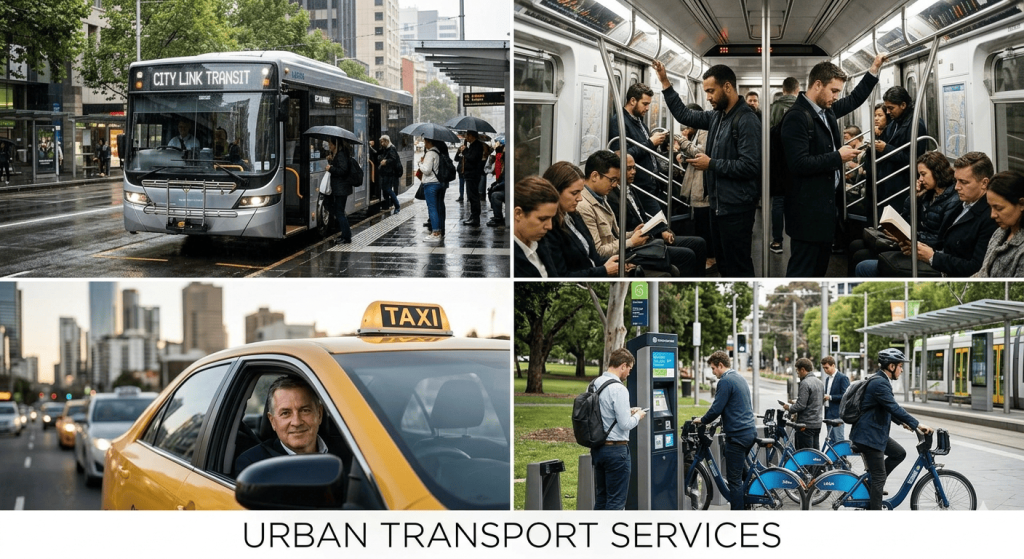
The transport system at IIT typically comprises several interconnected components:
2.1 Campus Shuttle Services
Campus shuttle buses are the backbone of IIT’s internal transport system. These buses operate on fixed routes and schedules, connecting key points such as:
- Academic blocks
- Hostels
- Administrative offices
- Libraries
- Laboratories
- Sports complexes
- Medical centers
The shuttle services are designed to minimize waiting time and maximize coverage, ensuring that every part of the campus is accessible within a short time frame.
2.2 Inter-Campus and City Connectivity
IIT campuses are often located on the outskirts of cities. To bridge the gap between the campus and urban centers, transport services include:
- Buses to nearby railway stations and airports
- Shuttle services to city hubs
- Connectivity to metro or public transport systems
These services are especially crucial for:
- Commuting faculty and staff
- Students attending internships or external programs
- Visitors and collaborators
2.3 Specialized Transport Services
Certain transport services cater to specific needs:
- Night shuttle services for late-night academic or research activities
- Emergency medical transport vehicles
- Transport for differently-abled individuals
- Event-specific transportation during festivals, conferences, and convocations
3. Operational Management
Efficient operation of transport services requires careful planning and management.
3.1 Scheduling and Route Planning
Routes are designed based on:
- Population density in different campus zones
- Peak usage hours (morning classes, evening return)
- Special academic schedules
Dynamic scheduling may also be implemented using real-time data to adjust frequency during high-demand periods.
3.2 Fleet Management
The fleet typically includes:
- Standard buses
- Mini-buses for less crowded routes
- Electric vehicles (increasingly adopted)
- Ambulances and emergency vehicles
Regular maintenance ensures safety, reliability, and longevity of vehicles.
3.3 Staffing
Transport services are managed by:
- Drivers trained in safety protocols
- Supervisors overseeing operations
- Administrative staff handling logistics and complaints
Training programs ensure professionalism and adherence to safety standards.
4. Technological Integration
Modern IIT transport systems increasingly leverage technology for efficiency and user convenience.
4.1 GPS Tracking
Most campus buses are equipped with GPS systems that allow:
- Real-time tracking of buses
- Accurate arrival time predictions
- Monitoring of routes and driver performance
4.2 Mobile Applications
Dedicated mobile apps provide:
- Live bus tracking
- Route maps
- Timetables
- Notifications for delays or route changes
This enhances user experience and reduces uncertainty.
4.3 Smart Cards and Digital Access
Some IITs integrate transport services with smart ID cards, enabling:
- Cashless travel
- Access control
- Usage tracking for planning and optimization
5. Sustainability Initiatives
As institutions committed to innovation and responsibility, IITs are increasingly focusing on sustainable transport solutions.
5.1 Electric Vehicles
The adoption of electric buses and carts reduces:
- Carbon emissions
- Noise pollution
- Dependency on fossil fuels
Charging stations are installed across campuses to support these vehicles.
5.2 Bicycle Sharing Programs
Many IIT campuses promote cycling through:
- Bicycle rental systems
- Dedicated cycling lanes
- Secure parking facilities
Cycling not only reduces environmental impact but also promotes health and fitness.
5.3 Carpooling and Ride Sharing
Encouraging carpooling among staff and students helps:
- Reduce traffic congestion
- Lower fuel consumption
- Foster community interaction
5.4 Pedestrian-Friendly Infrastructure
Transport planning also includes:
- Well-maintained walkways
- Shaded paths
- Safe crossings
These measures encourage walking as a primary mode of transport within the campus.
6. Safety and Security Measures
Safety is a top priority in IIT transport services.
6.1 Driver Training
Drivers undergo rigorous training in:
- Defensive driving
- Emergency response
- Passenger handling
6.2 Surveillance Systems
CCTV cameras in buses and at bus stops enhance security and deter misconduct.
6.3 Emergency Protocols
Clear protocols are established for:
- Medical emergencies
- Vehicle breakdowns
- Accidents
Emergency contact systems are integrated into transport services.
6.4 Gender-Sensitive Measures
Special measures ensure safety for female passengers, including:
- Well-lit stops
- Night services
- Helpline numbers
7. Accessibility and Inclusivity
Transport services are designed to accommodate all users.
7.1 Facilities for Differently-Abled Individuals
Features include:
- Wheelchair-accessible buses
- Priority seating
- Assistance services
7.2 Affordable Services
Transport is often subsidized to ensure affordability for students.
7.3 Multilingual Information Systems
Given the international nature of IIT, information is provided in multiple languages for ease of understanding.
8. Challenges in Transport Management

Despite advancements, IIT transport systems face several challenges:
8.1 High Demand During Peak Hours
Overcrowding during class hours can lead to inconvenience.
8.2 Maintenance Costs
Maintaining a large fleet requires significant financial resources.
8.3 Environmental Concerns
Transitioning to fully sustainable systems involves high initial investment.
8.4 Coordination with External Transport Systems
Ensuring seamless integration with city transport networks can be complex.
9. Future Prospects and Innovations
The future of transport services at IIT lies in innovation and smart solutions.
9.1 Autonomous Vehicles
Research and pilot projects may introduce self-driving shuttles.
9.2 AI-Based Route Optimization
Artificial intelligence can analyze usage patterns to optimize routes and schedules.
9.3 Integration with Smart Campus Systems
Transport systems will increasingly integrate with:
- Smart energy systems
- Digital campus platforms
- IoT-based infrastructure
9.4 Green Mobility Initiatives
Expansion of electric fleets and renewable energy integration will further reduce environmental impact.
10. Case Study Approach (Hypothetical Example)
Consider a typical IIT campus with 10,000 students and 2,000 staff members. The transport system may include:
- 40 buses operating on 10 routes
- 15 electric vehicles for short-distance travel
- 5 night shuttle routes
- 3 city connectivity routes
With GPS-enabled tracking and a mobile app, users can plan their travel efficiently. Bicycle-sharing systems further complement the transport network, reducing dependency on buses for short trips.
Conclusion
Transport services at the International Institute of Technology (IIT) represent far more than a means of moving people from one point to another; they are a foundational pillar that supports the institution’s academic, social, and operational ecosystem. By ensuring seamless mobility across a large and dynamic campus, these services enable students, faculty, researchers, and staff to focus on their core pursuits without being hindered by logistical constraints. Efficient transportation directly contributes to punctuality, productivity, and overall campus harmony, reinforcing the institution’s commitment to excellence.
A key strength of IIT’s transport system lies in its thoughtful integration of planning and technology. The use of structured routes, reliable schedules, and real-time tracking tools demonstrates a forward-thinking approach that prioritizes user convenience. These features not only reduce uncertainty but also empower individuals to manage their time effectively. In an academic environment where schedules are often demanding and tightly coordinated, such reliability becomes indispensable. Furthermore, the incorporation of digital solutions reflects IIT’s broader vision of becoming a smart campus, where technology enhances every aspect of daily life.
Equally important is IIT’s emphasis on sustainability within its transport framework. By promoting eco-friendly options such as electric vehicles, cycling infrastructure, and pedestrian-friendly pathways, the institution actively contributes to environmental conservation. These initiatives not only reduce carbon emissions but also foster a culture of responsibility and awareness among the campus community. Encouraging shared and non-motorized modes of transport helps minimize congestion and pollution, creating a cleaner, quieter, and more conducive environment for learning and innovation.
Inclusivity and safety are also central to the effectiveness of IIT’s transport services. By ensuring that transportation is accessible to individuals with diverse needs, the institution reinforces its commitment to equity and inclusiveness. Safety measures such as well-maintained vehicles, secure stops, surveillance systems, and responsive support mechanisms provide reassurance to users, particularly during late hours. This sense of security enhances confidence and participation, enabling all members of the community to engage fully in campus life.
However, the journey toward an ideal transport system is not without challenges. Growing campus populations, evolving mobility demands, and the need for continuous upgrades require ongoing investment and strategic planning. Balancing efficiency with sustainability, and convenience with cost-effectiveness, remains a complex task. Addressing these challenges will require adaptive policies, stakeholder engagement, and a willingness to embrace emerging technologies and innovative practices.
Looking to the future, IIT has the opportunity to further strengthen its transport services by leveraging advancements such as data-driven route optimization, smart mobility platforms, and expanded green transport solutions. Collaboration with external transport networks and urban planners could enhance connectivity beyond the campus, making IIT even more accessible on a regional and global scale. By continuously refining its approach, the institution can remain at the forefront of sustainable and intelligent mobility solutions.
Table of Contents