Infrastructure
Infrastructure at International Institute of Technology (IIT)
Introduction
Infrastructure plays a crucial role in shaping the quality, reputation, and effectiveness of any educational institution. A strong infrastructure not only supports academic learning but also promotes innovation, research, collaboration, creativity, and holistic student development. The International Institute of Technology (IIT) is committed to building a world-class educational environment through advanced infrastructure, modern facilities, sustainable campus planning, and technology-enabled learning systems.
The infrastructure of IIT has been designed to provide students, faculty members, researchers, industry professionals, and visitors with a comfortable, secure, and intellectually stimulating environment. From smart classrooms and modern laboratories to libraries, innovation centers, sports facilities, hostels, healthcare units, and digital systems, every aspect of the institution reflects excellence and continuous growth.
The institute believes that infrastructure is not merely about buildings and physical spaces. It is about creating an ecosystem where knowledge, research, innovation, and personal development flourish together. IIT continuously upgrades its facilities to match global educational standards and modern industry requirements.
This comprehensive overview highlights the infrastructure facilities, resources, systems, and campus environment available at IIT and explains how they contribute to academic excellence and student success.
Vision Behind IIT Infrastructure
The infrastructure development strategy of IIT is guided by a long-term vision focused on:
- Delivering high-quality education
- Supporting advanced research and innovation
- Encouraging entrepreneurship and creativity
- Creating a sustainable and eco-friendly campus
- Enhancing student experiences and learning outcomes
- Promoting digital transformation and smart education
- Building industry-ready environments
- Ensuring safety, accessibility, and inclusivity
The institution understands that modern learners require more than traditional classrooms. Students need collaborative spaces, digital access, hands-on laboratories, innovation hubs, recreational facilities, and a healthy learning atmosphere. IIT’s infrastructure is therefore designed to meet the evolving needs of future professionals and global citizens.
Campus Design and Architecture
The campus architecture of IIT combines functionality, sustainability, aesthetics, and technological advancement. The institution has developed a campus environment that supports academic activities while also encouraging collaboration, creativity, and community engagement.
Key Features of Campus Design
Spacious Academic Buildings
The academic blocks are designed with spacious classrooms, ventilation systems, natural lighting, ergonomic seating, and advanced teaching technologies. The buildings provide a comfortable learning atmosphere that improves concentration and productivity.
Modern Architectural Planning
The infrastructure reflects modern architectural standards with efficient use of space, smart circulation systems, and eco-friendly construction practices.
Green Campus Development
IIT emphasizes green infrastructure through landscaped gardens, tree plantations, energy-efficient systems, rainwater harvesting, and waste management practices.
Student-Centric Layout
The campus is designed to ensure easy access to classrooms, laboratories, libraries, cafeterias, sports facilities, and residential areas.
Accessibility Features
Special infrastructure arrangements are made for differently-abled students and visitors, including ramps, elevators, accessible washrooms, and mobility support.
Smart Classrooms and Learning Spaces
One of the major strengths of IIT infrastructure is its modern classroom ecosystem. The classrooms are designed to create interactive, engaging, and technology-driven learning experiences.
Features of Smart Classrooms
Digital Teaching Systems
Classrooms are equipped with:
- Smart boards
- LCD projectors
- Audio-visual systems
- Digital presentation tools
- Interactive learning software
- High-speed internet connectivity
These technologies help faculty members deliver lectures more effectively and support multimedia learning.
Comfortable Learning Environment
The classrooms include:
- Ergonomic seating
- Proper lighting systems
- Air ventilation systems
- Acoustic design for clear communication
- Spacious interiors
Hybrid Learning Support
IIT supports hybrid education models where students can participate in online and offline learning simultaneously.
Seminar and Discussion Rooms
Dedicated seminar halls and discussion rooms allow group learning, workshops, presentations, and collaborative projects.
Video Conferencing Facilities
Advanced communication systems enable international webinars, guest lectures, industry interactions, and remote learning programs.
Laboratories and Research Facilities
Laboratories are an essential part of technical and scientific education. IIT has established advanced laboratories equipped with modern instruments, software, and experimental systems.
Engineering Laboratories
The engineering departments feature specialized laboratories for:
- Mechanical Engineering
- Civil Engineering
- Electrical Engineering
- Electronics Engineering
- Computer Science Engineering
- Artificial Intelligence
- Robotics
- Data Science
- Information Technology
These laboratories provide hands-on practical training and real-world technical exposure.
Computer Laboratories
The computer centers are equipped with:
- High-performance computers
- Licensed software tools
- Cloud computing support
- Programming environments
- AI and machine learning systems
- Cybersecurity tools
- Data analytics platforms
Students gain practical exposure to modern technologies and software applications.
Research and Innovation Labs
The institute promotes research-oriented infrastructure through dedicated innovation and research centers.
Facilities Include:
- Prototype development systems
- 3D printing technologies
- IoT research tools
- Robotics systems
- Automation technologies
- Simulation software
- Testing equipment
These facilities support student projects, patents, product development, and startup activities.
Science Laboratories
Advanced laboratories for physics, chemistry, and mathematics provide students with experimental learning opportunities.
Industry Collaboration Labs
IIT collaborates with industries to establish practical learning labs aligned with modern industrial requirements.
Central Library Infrastructure
The central library is one of the most important academic resources at IIT. It functions as a knowledge hub supporting education, research, innovation, and self-learning.
Features of the Central Library
Extensive Collection of Books
The library contains:
- Academic textbooks
- Reference books
- Research publications
- Technical manuals
- Journals
- Magazines
- Digital resources
- International publications
Digital Library Services
Students and faculty members can access:
- E-books
- E-journals
- Research databases
- Online learning platforms
- Digital archives
- Academic repositories
Reading Halls
The library includes spacious reading areas designed for focused learning and research activities.
Research Support Services
Library professionals assist researchers in:
- Literature reviews
- Citation management
- Academic database usage
- Research publication access
Computerized Library Management
The library uses digital systems for:
- Book issue and return
- Catalog search
- Membership management
- Online reservation systems
Quiet Learning Environment
Dedicated silent zones and study cabins help students maintain concentration during examinations and research work.
Information Technology Infrastructure
Technology is a core component of IIT infrastructure. The institution continuously upgrades its IT systems to support digital education, administration, communication, and research.
Campus-Wide Internet Connectivity
High-speed internet connectivity is available across the campus, including:
- Academic buildings
- Laboratories
- Libraries
- Hostels
- Cafeterias
- Administrative offices
Wi-Fi Enabled Campus
Students and faculty members can access secure wireless internet services throughout the campus.
Data Centers and Servers
The institution maintains advanced data storage systems and secure servers for digital operations.
Learning Management Systems
Digital learning platforms support:
- Online assignments
- Course materials
- Virtual classrooms
- Attendance tracking
- Examination systems
- Academic communication
ERP Systems
Enterprise Resource Planning systems help manage:
- Admissions
- Student records
- Human resources
- Finance
- Examinations
- Academic administration
Cybersecurity Infrastructure
The institute ensures secure digital operations through:
- Firewall protection
- Data encryption
- Access control systems
- Secure authentication
- Backup systems
Innovation and Entrepreneurship Infrastructure

IIT strongly promotes innovation, entrepreneurship, and startup culture through specialized infrastructure facilities.
Innovation Centers
Innovation centers encourage students to:
- Develop creative ideas
- Build prototypes
- Conduct research
- Solve industry challenges
- Collaborate with mentors
Startup Incubation Centers
The incubation ecosystem supports aspiring entrepreneurs by providing:
- Workspace facilities
- Technical guidance
- Business mentorship
- Funding assistance
- Networking opportunities
- Industry exposure
Maker Spaces
Maker spaces allow students to experiment with:
- Robotics
- Electronics
- Automation
- Product design
- 3D printing
- Fabrication technologies
Entrepreneurship Development Cells
Dedicated cells organize:
- Startup workshops
- Innovation competitions
- Investor meetings
- Business seminars
- Leadership programs
Auditorium and Seminar Infrastructure
The institute has developed modern event infrastructure for academic, cultural, professional, and social activities.
Auditorium Facilities
The auditoriums are equipped with:
- Advanced sound systems
- Stage lighting
- Projection systems
- Comfortable seating
- Air conditioning
- Recording facilities
These spaces are used for:
- Conferences
- Convocations
- Seminars
- Cultural festivals
- Guest lectures
- Industry events
Seminar Halls
Seminar halls support:
- Department meetings
- Technical presentations
- Faculty development programs
- Workshops
- Training sessions
Conference Facilities
The institute hosts national and international conferences through modern conference infrastructure.
Hostel Infrastructure
Student accommodation is an important aspect of campus life. IIT provides residential facilities designed to ensure comfort, safety, and convenience.
Features of Hostel Infrastructure
Comfortable Rooms
Hostel rooms are designed with:
- Adequate furniture
- Study tables
- Storage facilities
- Ventilation systems
- Internet connectivity
Dining Facilities
Mess and cafeteria services provide hygienic and nutritious meals.
Recreational Areas
Hostels include:
- Television rooms
- Indoor games
- Common halls
- Reading spaces
- Fitness facilities
Security Systems
Hostel safety is maintained through:
- CCTV surveillance
- Security personnel
- Controlled entry systems
- Emergency support services
Wi-Fi Connectivity
Students have access to internet services for academic and communication purposes.
Clean and Hygienic Environment
Regular maintenance and sanitation ensure a healthy living atmosphere.
Sports Infrastructure
Sports and physical activities are essential for overall student development. IIT encourages fitness, discipline, teamwork, and sportsmanship through well-developed sports infrastructure.
Outdoor Sports Facilities
The campus includes grounds and courts for:
- Cricket
- Football
- Basketball
- Volleyball
- Athletics
- Tennis
- Badminton
Indoor Sports Facilities
Indoor complexes support:
- Table tennis
- Chess
- Carrom
- Gymnasium activities
- Yoga
- Fitness training
Gymnasium and Fitness Centers
Modern fitness centers are equipped with exercise machines and training equipment.
Sports Events and Competitions
The infrastructure supports inter-college tournaments, annual sports meets, and fitness programs.
Student Wellness Through Sports
Sports facilities contribute to:
- Physical health
- Mental well-being
- Leadership skills
- Team coordination
- Stress management
Healthcare Infrastructure
IIT prioritizes student and staff health through accessible healthcare services and wellness infrastructure.
Medical Facilities
Campus healthcare facilities provide:
- Primary medical care
- Health consultations
- First aid services
- Emergency support
- Regular health check-ups
Medical Professionals
Qualified healthcare professionals assist students and staff members.
Emergency Support Systems
The institute maintains emergency medical response arrangements for urgent situations.
Health Awareness Programs
Wellness campaigns and awareness programs promote:
- Mental health
- Hygiene
- Nutrition
- Preventive healthcare
- Stress management
Counseling Services
Counseling infrastructure supports emotional and psychological well-being.
Cafeteria and Dining Infrastructure
The cafeteria infrastructure at IIT is designed to provide hygienic, nutritious, and affordable food services.
Features of Dining Facilities
Hygienic Food Preparation
The kitchens maintain cleanliness and food safety standards.
Variety of Food Options
Students can access:
- Vegetarian meals
- Regional cuisines
- Snacks
- Healthy food choices
- Beverages
Comfortable Seating
Dining areas provide adequate seating arrangements for students and staff.
Modern Kitchen Equipment
Advanced kitchen systems ensure efficient food preparation and service.
Transportation Infrastructure
Transportation facilities help students and staff commute safely and conveniently.
Campus Transportation Support
The institution may provide:
- Shuttle services
- Bus transportation
- Parking facilities
- Visitor transport arrangements
Parking Infrastructure
Organized parking systems are available for:
- Students
- Faculty members
- Visitors
- Administrative staff
Road and Pathway Systems
Well-planned roads and pedestrian pathways improve campus mobility.
Administrative Infrastructure
Efficient administration is supported through advanced infrastructure systems.
Administrative Offices
The administrative blocks include:
- Admission offices
- Examination departments
- Finance departments
- Human resource sections
- Student support centers
Digital Administrative Systems
Automation improves:
- Student services
- Record management
- Communication
- Workflow efficiency
- Document processing
Student Help Centers
Dedicated support centers assist students with academic and administrative requirements.
Security Infrastructure
Campus safety is a major priority at IIT. Advanced security infrastructure ensures a safe environment for students, faculty members, staff, and visitors.
Security Systems
CCTV Surveillance
The campus is monitored through modern surveillance systems.
Security Personnel
Trained security teams maintain discipline and safety.
Access Control Systems
Controlled access mechanisms help regulate entry into important areas.
Emergency Response Mechanisms
Emergency support systems ensure rapid response during critical situations.
Fire Safety Systems
Buildings are equipped with:
- Fire extinguishers
- Smoke detectors
- Alarm systems
- Emergency exits
Environmental and Sustainable Infrastructure
IIT recognizes the importance of sustainability and environmental responsibility.
Green Initiatives
The campus promotes:
- Tree plantation drives
- Green landscaping
- Eco-friendly construction
- Waste management systems
- Water conservation
Energy-Efficient Systems
Energy-saving technologies reduce environmental impact.
Rainwater Harvesting
Rainwater conservation systems support sustainable water usage.
Waste Management Infrastructure
The institution practices responsible waste disposal and recycling.
Clean Campus Campaigns
Environmental awareness programs encourage sustainability among students and staff.
Research Infrastructure
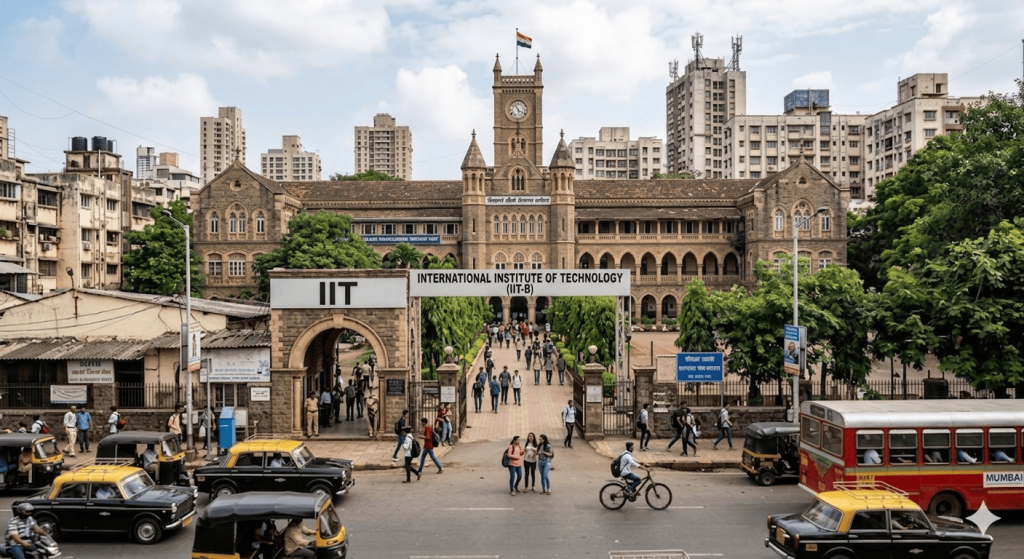
Research is an essential pillar of IIT’s academic ecosystem. The institution invests in research infrastructure to encourage scientific advancement and innovation.
Advanced Research Centers
Specialized research facilities support:
- Engineering research
- Technology innovation
- Scientific experimentation
- Industrial problem-solving
- Interdisciplinary projects
Research Equipment
The laboratories include advanced tools and instruments required for experimentation and testing.
Collaboration Infrastructure
Research collaboration is supported through:
- Industry partnerships
- International academic cooperation
- Joint research projects
- Innovation programs
Publication Support
Researchers receive support for:
- Academic publications
- Patent filing
- Conference participation
- Research documentation
Digital Examination Infrastructure
Modern examination systems improve transparency, efficiency, and accuracy.
Online Examination Systems
Digital platforms support:
- Online tests
- Remote assessments
- Automated evaluation
- Result processing
Examination Security
Secure systems protect examination data and student records.
Computer-Based Testing Facilities
Dedicated examination labs support digital assessments.
Training and Development Infrastructure
IIT emphasizes continuous skill development through specialized training infrastructure.
Technical Training Centers
Students receive practical training through:
- Industrial simulations
- Technical workshops
- Skill laboratories
- Software training systems
Faculty Development Infrastructure
The institution conducts faculty development programs in advanced teaching methods and technologies.
Industry-Oriented Learning Spaces
Specialized infrastructure supports industry certifications and professional development.
Communication Infrastructure
Effective communication systems are essential for institutional operations.
Digital Communication Systems
The institution uses:
- Email systems
- Student portals
- Mobile applications
- Notification platforms
- Online collaboration tools
Public Address Systems
Communication infrastructure supports campus announcements and event management.
Cultural and Recreational Infrastructure
Cultural activities are important for creativity, confidence, and social development.
Cultural Centers
Students participate in:
- Music activities
- Dance performances
- Drama events
- Art exhibitions
- Literary activities
Recreational Spaces
The campus includes areas for relaxation, interaction, and leisure activities.
Student Clubs and Activity Rooms
Dedicated spaces support student organizations and extracurricular programs.
Infrastructure for Industry Collaboration
IIT actively collaborates with industries to improve practical learning and employability.
Industry Interaction Centers
These centers facilitate:
- Industry meetings
- Corporate training
- Internship coordination
- Placement activities
- Collaborative research
Placement Infrastructure
Placement cells are equipped with:
- Interview rooms
- Group discussion halls
- Online recruitment systems
- Corporate presentation facilities
Skill Development Facilities
Students gain industry-ready skills through advanced learning environments.
Smart Campus Initiatives
IIT is moving toward becoming a fully integrated smart campus.
Features of Smart Campus Infrastructure
Digital Access Systems
Technology-based systems improve campus operations and accessibility.
Smart Energy Management
Automated systems optimize energy consumption.
Digital Attendance Systems
Smart attendance tracking improves efficiency.
Integrated Campus Management
Digital platforms connect academic, administrative, and operational functions.
Disaster Management and Safety Infrastructure
Preparedness and safety are important components of campus management.
Emergency Preparedness
The institute conducts:
- Fire drills
- Safety training
- Emergency response planning
- Risk management exercises
Safety Equipment
Buildings are equipped with emergency systems and safety signage.
Infrastructure Supporting Global Education
IIT aims to provide infrastructure aligned with international educational standards.
International Collaboration Facilities
The campus supports:
- Global conferences
- International webinars
- Student exchange programs
- Collaborative learning initiatives
Technology-Enabled Global Learning
Students can interact with experts and institutions worldwide through digital infrastructure.
Future Infrastructure Development Plans
IIT continues to invest in future-ready infrastructure.
Planned Developments
Potential future developments may include:
- Expanded research centers
- Smart laboratories
- AI-driven learning systems
- Sustainable energy projects
- Advanced innovation hubs
- International academic facilities
- Green building technologies
Commitment to Continuous Improvement
The institution regularly upgrades infrastructure based on:
- Technological advancements
- Industry expectations
- Student feedback
- Academic requirements
- Research opportunities
Role of Infrastructure in Student Success
Infrastructure significantly influences student performance, satisfaction, and career development.
Academic Benefits
Modern infrastructure improves:
- Learning quality
- Practical exposure
- Research capabilities
- Technical skills
- Innovation capacity
Personal Development
Campus facilities support:
- Leadership growth
- Teamwork
- Communication skills
- Creativity
- Physical wellness
Career Advantages
Industry-oriented infrastructure prepares students for professional success.
Infrastructure and Institutional Reputation
The quality of infrastructure directly impacts institutional credibility and recognition.
Enhancing Academic Excellence
Strong infrastructure helps IIT maintain high educational standards.
Attracting Talent
Modern facilities attract:
- Skilled faculty members
- Researchers
- Industry partners
- Talented students
Supporting Accreditation and Quality Standards
Infrastructure contributes to academic quality assurance and institutional development.
Conclusion
The infrastructure of the International Institute of Technology (IIT) reflects the institution’s commitment to academic excellence, technological advancement, research innovation, student development, and global educational standards. Through modern classrooms, advanced laboratories, digital systems, research centers, sports complexes, libraries, hostels, healthcare services, and sustainable campus initiatives, IIT has created a comprehensive ecosystem that supports learning, innovation, and professional growth.
The institute continuously invests in infrastructure development to meet evolving educational and industry requirements. Its student-centered approach ensures that learners receive not only academic knowledge but also practical exposure, research opportunities, leadership experiences, and holistic development.
Table of Contents