Disaster Management
International Institute Of Technology (IIT)
Introduction
Disaster management is an essential component of modern institutional planning and sustainable development. Educational institutions, particularly advanced centers of learning such as the International Institute Of Technology (IIT), have a significant responsibility in preparing students, faculty, staff, and surrounding communities to respond effectively to emergencies and disasters. In today’s rapidly changing world, institutions face a wide range of natural, technological, environmental, biological, and human-made threats that can disrupt normal functioning and create serious risks to life, infrastructure, and academic continuity.
The International Institute Of Technology (IIT) recognizes that disaster management is not merely a reactive activity but a comprehensive and proactive process involving prevention, preparedness, mitigation, response, recovery, and resilience building. Through strategic planning, technological innovation, emergency preparedness training, awareness programs, and infrastructure safety measures, IIT aims to create a secure and resilient educational environment.
Disasters can occur unexpectedly and may include earthquakes, floods, fires, cyclones, pandemics, chemical accidents, cyberattacks, electrical hazards, structural failures, transportation accidents, and security threats. Such events can cause extensive damage to buildings, laboratories, libraries, hostels, data centers, and human life if institutions are not adequately prepared.
At IIT, disaster management is integrated into campus administration, academic programs, research initiatives, student engagement activities, and community outreach efforts. The institution emphasizes the importance of safety culture, risk awareness, technological preparedness, and coordinated emergency response systems.
The goal of IIT’s disaster management strategy is to minimize risks, protect lives and property, maintain operational continuity, and ensure rapid recovery after emergencies. By adopting international best practices and leveraging modern technology, IIT strives to become a model institution in disaster preparedness and resilience.
This comprehensive article explores the disaster management framework at the International Institute Of Technology (IIT), covering risk assessment, emergency preparedness, safety infrastructure, training programs, disaster response systems, technological integration, sustainability initiatives, community participation, and future strategies.
Understanding Disaster Management
Disaster management refers to the organized process of preparing for, responding to, recovering from, and reducing the impact of disasters. It involves coordinated efforts by institutions, governments, organizations, emergency services, and communities.
The disaster management cycle generally includes four major phases:
- Prevention and Mitigation
- Preparedness
- Response
- Recovery and Rehabilitation
At IIT, each phase is carefully planned and integrated into institutional operations to ensure maximum safety and continuity.
Prevention and Mitigation
Prevention focuses on reducing the likelihood of disasters, while mitigation minimizes their impact. IIT implements various preventive measures such as:
- Fire-resistant building materials
- Earthquake-resistant structures
- Electrical safety systems
- Cybersecurity infrastructure
- Laboratory safety protocols
- Environmental monitoring systems
- Regular maintenance inspections
- Water drainage management
- Emergency exits and evacuation routes
These measures significantly reduce institutional vulnerabilities.
Preparedness
Preparedness involves planning and training before disasters occur. IIT conducts regular:
- Emergency drills
- Fire evacuation exercises
- First aid workshops
- Safety awareness campaigns
- Disaster response simulations
- Medical preparedness sessions
- Security training programs
- Cybersecurity preparedness workshops
Preparedness ensures that students and staff know how to act during emergencies.
Response
The response phase begins immediately after a disaster occurs. IIT maintains rapid response teams and emergency communication systems to ensure:
- Quick evacuation
- Immediate medical assistance
- Fire suppression
- Search and rescue operations
- Infrastructure assessment
- Coordination with emergency agencies
- Information dissemination
- Student and staff safety
Recovery and Rehabilitation
Recovery focuses on restoring normal operations after a disaster. IIT’s recovery plans include:
- Infrastructure repair
- Mental health counseling
- Academic continuity planning
- Data restoration systems
- Insurance coordination
- Financial assistance
- Resource rehabilitation
- Community rebuilding support
Importance of Disaster Management in Educational Institutions
Educational institutions are highly dynamic environments with large populations, expensive infrastructure, research facilities, laboratories, hostels, libraries, and technological systems. Any disaster can significantly disrupt academic activities and endanger lives.
At the International Institute Of Technology (IIT), disaster management is considered essential for several reasons.
Protection of Human Life
The primary objective of disaster management is protecting students, faculty members, researchers, administrative staff, visitors, and workers.
A well-structured emergency response system helps reduce injuries and fatalities during emergencies.
Infrastructure Safety
IIT campuses contain sophisticated laboratories, data centers, research facilities, libraries, and advanced technological equipment. Disaster management helps safeguard these valuable assets.
Academic Continuity
Disasters can interrupt examinations, research projects, admissions, internships, and classes. Effective planning ensures continuity of educational activities through:
- Digital learning platforms
- Cloud-based systems
- Remote teaching technologies
- Emergency academic scheduling
- Online examination systems
Environmental Protection
Certain disasters can cause environmental damage through chemical leaks, hazardous waste exposure, or pollution. IIT promotes environmentally responsible safety practices.
Institutional Reputation
Prepared institutions earn trust from students, parents, industry partners, and society. Strong disaster management systems enhance institutional credibility.
Legal and Regulatory Compliance
Educational institutions must comply with national safety regulations, fire codes, environmental guidelines, and disaster management standards.
Disaster Risks Faced by IIT Campuses
The International Institute Of Technology (IIT) identifies and evaluates multiple potential disaster risks that may affect campus operations.
Natural Disasters
Earthquakes
Earthquakes can damage buildings, laboratories, electrical systems, and transportation infrastructure. IIT incorporates seismic safety standards into infrastructure planning.
Floods
Flooding may occur due to heavy rainfall, drainage failures, or nearby water body overflow. Flood preparedness plans include:
- Water drainage systems
- Emergency pumps
- Rainwater management
- Elevated electrical systems
- Flood evacuation routes
Cyclones and Storms
Strong winds and storms may damage infrastructure, communication systems, trees, and power networks.
Heat Waves
Rising temperatures can impact health, energy systems, and academic productivity.
Fire Hazards
Educational institutions face fire risks from:
- Electrical short circuits
- Laboratory chemicals
- Gas leaks
- Faulty equipment
- Kitchen facilities
- Data centers
- Overloaded circuits
IIT implements advanced fire detection and suppression systems.
Laboratory Accidents
Engineering and scientific laboratories may contain:
- Chemicals
- High-voltage equipment
- Pressurized systems
- Biological materials
- Combustible substances
Strict laboratory safety procedures reduce accident risks.
Biological and Health Emergencies
Pandemics and infectious disease outbreaks can disrupt academic operations.
The COVID-19 pandemic highlighted the importance of:
- Digital learning systems
- Health screening
- Sanitization protocols
- Isolation facilities
- Medical preparedness
- Contact tracing
Cybersecurity Threats
Modern institutions depend heavily on digital systems. Cyberattacks may target:
- Student databases
- Research data
- Financial systems
- Online learning platforms
- Administrative systems
IIT integrates cybersecurity into disaster management planning.
Security Threats
Potential security risks include:
- Unauthorized access
- Violence
- Terror threats
- Vandalism
- Theft
- Civil disturbances
Advanced surveillance and campus security systems help mitigate these threats.
Disaster Management Framework at IIT
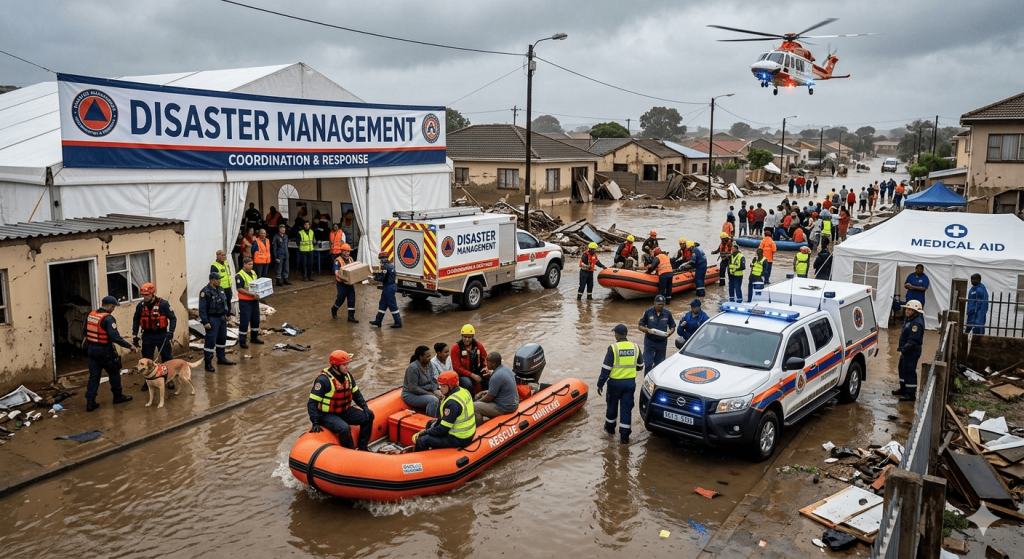
The International Institute Of Technology (IIT) follows a structured disaster management framework designed to address institutional risks effectively.
Disaster Management Committee
IIT establishes a dedicated Disaster Management Committee responsible for:
- Policy development
- Risk assessment
- Emergency planning
- Safety audits
- Coordination with authorities
- Training programs
- Infrastructure safety review
- Resource management
The committee includes:
- Senior administrators
- Safety officers
- Faculty experts
- Medical personnel
- Security officers
- Engineering staff
- Student representatives
Emergency Operations Center
The Emergency Operations Center serves as the command hub during disasters.
Its responsibilities include:
- Monitoring emergencies
- Coordinating rescue efforts
- Managing communication
- Tracking evacuation
- Contacting emergency agencies
- Resource allocation
- Situation analysis
Safety Policies and Guidelines
IIT develops detailed safety manuals and emergency response protocols for:
- Fire safety
- Laboratory safety
- Hostel emergencies
- Medical emergencies
- Cybersecurity incidents
- Natural disasters
- Hazardous material handling
Risk Assessment and Hazard Mapping
Risk assessment helps identify vulnerable areas and prioritize safety measures.
Hazard mapping includes:
- Flood-prone zones
- Fire risk areas
- Structural vulnerabilities
- Chemical storage locations
- Electrical hazards
- Emergency assembly points
Resource Planning
IIT maintains essential emergency resources such as:
- Fire extinguishers
- First aid kits
- Emergency lighting
- Backup generators
- Water storage
- Medical supplies
- Rescue equipment
- Communication devices
Fire Safety and Emergency Preparedness
Fire safety is one of the most critical aspects of disaster management at IIT.
Fire Detection Systems
Modern fire detection technologies include:
- Smoke detectors
- Heat sensors
- Fire alarms
- Automated warning systems
- Centralized monitoring systems
These systems provide early warning during emergencies.
Fire Suppression Systems
IIT campuses use advanced suppression technologies such as:
- Sprinkler systems
- Fire hydrants
- Foam extinguishers
- Carbon dioxide extinguishers
- Water mist systems
Fire Drills
Regular fire drills help students and staff understand:
- Evacuation routes
- Assembly points
- Emergency procedures
- Safe exit strategies
- Rescue coordination
Emergency Exit Planning
Buildings at IIT include:
- Clearly marked exits
- Emergency staircases
- Illuminated escape routes
- Evacuation signage
- Accessible pathways
Electrical Safety
Electrical hazards are minimized through:
- Circuit inspections
- Load management
- Wiring maintenance
- Grounding systems
- Emergency shutdown systems
Medical Emergency Management
Medical preparedness is essential for campus safety.
Campus Health Centers
IIT maintains health centers equipped with:
- Doctors
- Nurses
- Emergency medicines
- Ambulance services
- Isolation rooms
- Diagnostic equipment
First Aid Training
Students and staff receive training in:
- CPR
- Bleeding control
- Fracture management
- Emergency response
- Basic life support
Ambulance and Emergency Transport
Rapid transportation systems ensure quick access to hospitals.
Pandemic Preparedness
IIT develops comprehensive health emergency plans including:
- Vaccination drives
- Health awareness campaigns
- Sanitization systems
- Telemedicine support
- Remote learning infrastructure
Mental Health Support
Disasters often create emotional stress and anxiety. IIT provides:
- Counseling services
- Psychological support
- Stress management workshops
- Student wellness programs
Role of Technology in Disaster Management
Technology plays a transformative role in improving disaster preparedness and emergency response.
Smart Surveillance Systems
IIT uses smart security systems including:
- CCTV monitoring
- Motion detection
- AI-based surveillance
- Access control systems
- Facial recognition technologies
Emergency Communication Systems
Effective communication is essential during disasters.
IIT utilizes:
- SMS alerts
- Mobile applications
- Email notifications
- Public announcement systems
- Emergency hotlines
- Digital notice boards
GIS and Hazard Mapping
Geographic Information Systems (GIS) help monitor:
- Vulnerable areas
- Evacuation routes
- Disaster impact zones
- Resource locations
Data Backup and Cloud Systems
Digital infrastructure resilience is maintained through:
- Cloud storage
- Backup servers
- Cybersecurity protocols
- Disaster recovery centers
- Encrypted communication
Artificial Intelligence and Predictive Analytics
AI technologies assist in:
- Risk prediction
- Weather monitoring
- Structural analysis
- Resource optimization
- Emergency response planning
Drones and Robotics
Emerging technologies such as drones and robotics can support:
- Search and rescue
- Infrastructure inspection
- Disaster monitoring
- Emergency delivery systems
Laboratory and Research Safety
Engineering and scientific institutions require specialized safety systems for laboratories and research facilities.
Chemical Safety
Chemical management procedures include:
- Safe storage systems
- Hazard labeling
- Material safety data sheets
- Ventilation systems
- Spill response kits
Biological Safety
Biological laboratories follow:
- Sterilization procedures
- Biohazard disposal methods
- Infection control protocols
- Personal protective equipment guidelines
Radiation Safety
Research involving radiation requires:
- Shielding systems
- Radiation monitoring
- Exposure control
- Specialized training
Equipment Safety
Heavy machinery and high-voltage systems are monitored through:
- Preventive maintenance
- Safety inspections
- Lockout procedures
- Emergency shutdown systems
Research Continuity Planning
Critical research data and experiments are protected using:
- Backup power systems
- Climate control
- Secure data storage
- Remote monitoring systems
Student Participation in Disaster Management
Students play a vital role in creating a safe campus environment.
Student Safety Volunteers
IIT encourages student participation through volunteer programs focused on:
- Emergency response
- Crowd management
- Awareness campaigns
- First aid support
- Rescue assistance
Awareness Campaigns
Awareness initiatives educate students about:
- Emergency preparedness
- Fire safety
- Health emergencies
- Cybersecurity awareness
- Environmental hazards
Disaster Management Clubs
Student clubs organize:
- Seminars
- Safety competitions
- Training sessions
- Mock drills
- Community outreach activities
Leadership Development
Participation in disaster management activities helps students develop:
- Leadership skills
- Team coordination
- Crisis management abilities
- Communication skills
- Problem-solving capabilities
Faculty and Staff Responsibilities
Faculty members and administrative staff play a central role in institutional safety.
Emergency Leadership
Faculty members help:
- Guide students during emergencies
- Coordinate evacuations
- Maintain calm environments
- Support communication efforts
Training Programs
Staff training includes:
- Fire response procedures
- Medical emergency handling
- Cybersecurity awareness
- Hazard reporting
- Emergency communication
Infrastructure Maintenance
Engineering and maintenance teams ensure:
- Building inspections
- Equipment servicing
- Electrical maintenance
- Structural safety
- Water system reliability
Security Personnel
Campus security teams manage:
- Access control
- Surveillance systems
- Emergency coordination
- Crowd management
- Incident reporting
Community Engagement and Social Responsibility
IIT extends disaster management support beyond campus boundaries.
Community Awareness Programs
The institution conducts awareness campaigns for nearby communities regarding:
- Disaster preparedness
- Health safety
- Environmental protection
- Emergency response
Collaboration with Government Agencies
IIT collaborates with:
- Disaster management authorities
- Fire departments
- Hospitals
- Police departments
- Municipal agencies
Training for Schools and Communities
Outreach programs include:
- First aid workshops
- Fire safety demonstrations
- Emergency planning sessions
- Youth awareness initiatives
Research and Innovation for Society
IIT researchers contribute to:
- Early warning systems
- Sustainable infrastructure
- Climate resilience technologies
- Smart emergency systems
- Disaster-resistant materials
Environmental Sustainability and Disaster Resilience
Environmental sustainability directly influences disaster resilience.
Green Infrastructure
IIT promotes environmentally responsible infrastructure through:
- Green buildings
- Energy-efficient systems
- Sustainable drainage
- Rainwater harvesting
- Solar energy systems
Climate Change Adaptation
Climate change increases disaster risks such as floods, heat waves, and storms.
IIT supports adaptation strategies including:
- Environmental research
- Carbon reduction initiatives
- Renewable energy projects
- Water conservation
Waste Management
Proper waste management reduces environmental hazards.
Practices include:
- Hazardous waste segregation
- Recycling systems
- Safe disposal procedures
- E-waste management
Sustainable Transportation
IIT promotes:
- Electric vehicles
- Bicycle programs
- Pedestrian-friendly pathways
- Public transport support
Cybersecurity and Digital Disaster Management

As educational institutions become increasingly digital, cybersecurity has become an essential component of disaster management.
Cyber Threats in Educational Institutions
Potential cyber risks include:
- Data breaches
- Ransomware attacks
- Phishing scams
- Unauthorized access
- System failures
Cybersecurity Measures at IIT
IIT implements:
- Firewall systems
- Antivirus protection
- Multi-factor authentication
- Data encryption
- Secure cloud infrastructure
- Network monitoring
Digital Continuity Planning
Academic continuity is maintained through:
- Online learning platforms
- Virtual classrooms
- Remote examination systems
- Digital libraries
- Cloud-based collaboration tools
Cybersecurity Awareness
Students and staff receive training regarding:
- Password safety
- Secure browsing
- Email security
- Data privacy
- Cyber hygiene
Disaster Recovery Planning
Recovery planning ensures rapid restoration of institutional operations after emergencies.
Infrastructure Recovery
Post-disaster recovery may involve:
- Building repairs
- Utility restoration
- Equipment replacement
- Environmental cleanup
Academic Recovery
Academic continuity plans include:
- Flexible scheduling
- Online learning support
- Examination rescheduling
- Digital assignments
- Remote research access
Financial Recovery
Financial planning includes:
- Insurance coverage
- Emergency funding
- Resource allocation
- Recovery budgeting
Psychological Recovery
Emotional recovery support includes:
- Counseling services
- Peer support groups
- Wellness workshops
- Trauma management
Evaluation and Improvement
After each incident or drill, IIT conducts:
- Performance evaluations
- Safety audits
- Feedback collection
- Policy improvements
- Training updates
Training and Capacity Building
Continuous training strengthens institutional preparedness.
Workshops and Seminars
IIT organizes programs on:
- Emergency response
- Fire safety
- Health preparedness
- Climate resilience
- Cybersecurity
Simulation Exercises
Simulation exercises test institutional readiness through:
- Mock drills
- Tabletop exercises
- Evacuation simulations
- Crisis management scenarios
Professional Certifications
Specialized certifications may include:
- First aid certification
- Fire safety training
- Occupational safety programs
- Disaster management courses
Research-Based Learning
Disaster management education can be integrated into:
- Engineering programs
- Environmental science
- Public policy
- Information technology
- Urban planning
Innovation and Research in Disaster Management
Research institutions like IIT have the potential to become leaders in disaster management innovation.
Smart Disaster Monitoring Systems
Research initiatives may focus on:
- Sensor technologies
- AI monitoring systems
- Predictive analytics
- Real-time risk assessment
Sustainable Infrastructure Research
Researchers can develop:
- Earthquake-resistant materials
- Flood-resilient designs
- Energy-efficient safety systems
- Climate-adaptive structures
Robotics and Automation
Robotic systems can support:
- Hazard inspection
- Rescue operations
- Disaster surveillance
- Emergency logistics
Data Science Applications
Big data and analytics help:
- Predict disaster patterns
- Optimize emergency response
- Improve evacuation planning
- Analyze risk trends
Interdisciplinary Collaboration
Disaster management research often combines:
- Engineering
- Computer science
- Environmental science
- Medicine
- Public administration
Global Standards and Best Practices
The International Institute Of Technology (IIT) aims to align with international disaster management standards.
ISO Safety Standards
Institutions may adopt standards related to:
- Occupational safety
- Information security
- Environmental management
- Quality management
Sustainable Development Goals
Disaster resilience supports global sustainability goals related to:
- Health and well-being
- Sustainable cities
- Climate action
- Quality education
International Collaboration
Global partnerships enable:
- Research exchange
- Technology sharing
- Joint training programs
- Emergency preparedness studies
Benchmarking and Audits
Regular audits help compare institutional preparedness with global best practices.
Challenges in Disaster Management
Despite strong planning, institutions face several challenges.
Resource Constraints
Maintaining advanced safety infrastructure requires substantial investment.
Rapid Urbanization
Growing campuses increase complexity in evacuation and infrastructure management.
Climate Change
Changing environmental conditions increase the frequency and intensity of natural disasters.
Technology Dependence
Heavy reliance on digital systems creates cybersecurity vulnerabilities.
Human Behavior
Lack of awareness or panic during emergencies can complicate response efforts.
Continuous Updating
Disaster management systems must be regularly updated to address emerging threats.
Future of Disaster Management at IIT
The future of disaster management will be increasingly technology-driven, sustainable, and data-oriented.
Smart Campuses
Future campuses may integrate:
- AI-based monitoring
- Smart sensors
- Automated emergency systems
- Intelligent energy management
Real-Time Analytics
Advanced analytics can improve:
- Early warning systems
- Crowd management
- Resource allocation
- Predictive maintenance
Sustainable Resilience
IIT may further strengthen:
- Renewable energy systems
- Green infrastructure
- Climate adaptation strategies
- Circular economy practices
Integrated Digital Platforms
Future systems may combine:
- Security management
- Emergency communication
- Health monitoring
- Infrastructure analytics
International Leadership
By investing in innovation and research, IIT can become a global leader in educational disaster management and resilience.
Conclusion
Disaster management is a critical pillar of institutional safety, sustainability, resilience, and operational continuity. The International Institute Of Technology (IIT) recognizes that preparing for emergencies is not only a legal or administrative responsibility but also a moral commitment toward protecting human life, infrastructure, knowledge systems, and community well-being.
Through comprehensive planning, technological integration, safety training, environmental sustainability, cybersecurity preparedness, and collaborative partnerships, IIT strives to create a secure and resilient educational environment capable of responding effectively to diverse challenges.
The institution’s disaster management framework emphasizes prevention, preparedness, rapid response, recovery, and continuous improvement. By combining advanced infrastructure with awareness, innovation, and research, IIT ensures that students, faculty, staff, and communities remain safe and prepared in the face of emergencies.
Table of Contents