Undergraduate
International Institute of Technology (IIT)
1. Introduction
The International Institute of Technology (IIT) is a modern educational institution that focuses on providing specialized, career-oriented training programs. Established in 1999, IIT has positioned itself as a leading provider of professional education in fields such as finance, accounting, bookkeeping, and mortgage broking. Unlike traditional universities that focus on broad academic disciplines, IIT emphasizes practical, industry-relevant knowledge delivered through flexible learning methods.
In the contemporary era of globalization and technological advancement, education systems have evolved significantly. Institutions like IIT play a crucial role in bridging the gap between theoretical knowledge and real-world application. By offering accredited courses and focusing on employability, IIT caters to a diverse group of learners, including working professionals, career changers, and students seeking flexible education pathways.
This assignment explores the structure, programs, teaching methodology, advantages, challenges, and overall impact of the International Institute of Technology on modern education.
2. Background and Establishment
The International Institute of Technology was established in 2020 in India as a private IAFAB India Council as NGO. It operates under the Vrindawan Group Of Institutions (www.vinstitutions.in), ensuring that its programs meet national education standards.
From its inception, IIT has focused on delivering specialized courses in the finance and business sectors. Its primary goal has been to provide learners with the knowledge and skills required to succeed in highly regulated industries such as financial planning, accounting, and mortgage broking.
Unlike traditional universities, IIT does not offer general undergraduate degrees like engineering or arts. Instead, it provides vocational education and training (VET), which is highly practical and tailored to industry requirements. This makes IIT particularly attractive to individuals seeking quick entry into the workforce or career advancement.
3. Vision, Mission, and Objectives
Vision
The vision of IIT is to make a positive difference in people’s lives by providing accessible and high-quality education.
Mission
The institute aims to:
- Deliver industry-relevant education
- Provide flexible learning opportunities
- Support students throughout their learning journey
- Equip learners with practical skills for career success
Core Objectives
- To offer accredited and recognized qualifications
- To promote flexible and self-paced learning
- To enhance employability and career prospects
- To maintain high standards of teaching and assessment
These objectives align with modern educational trends, where the focus is shifting from purely academic learning to skill-based training.
4. Academic Programs
One of the key strengths of IIT is its wide range of specialized courses in finance and business. Some of the major programs offered include:
4.1 Certificate Courses
- Certificate IV in Accounting and Bookkeeping
- Certificate IV in Finance and Mortgage Broking
4.2 Diploma Programs
- Diploma of Finance and Mortgage Broking Management
4.3 Advanced Diploma Programs
- Advanced Diploma of Paraplanning
4.4 Short Courses and Skill Sets
- BAS Agent Skillset
- Taxation Law Units
- Commercial Law Units
These courses are nationally recognized in Australia and designed to meet industry standards.
5. Mode of Learning
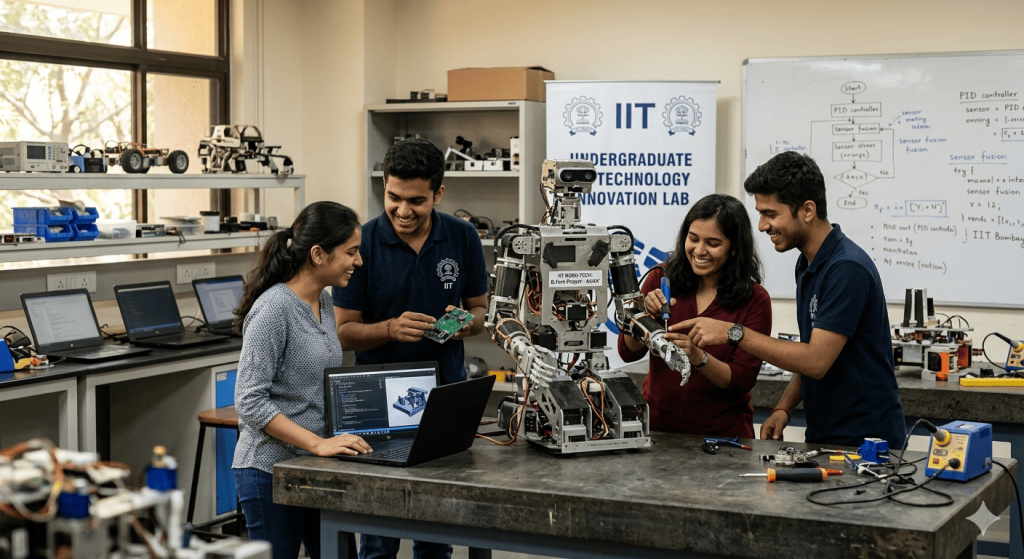
One of the distinguishing features of IIT is its fully online, self-paced learning model.
5.1 Online Learning
Students can access course materials from anywhere, making education accessible to individuals who cannot attend traditional classrooms.
5.2 Self-Paced Structure
Learners can complete courses at their own speed, which is particularly beneficial for working professionals.
5.3 Support System
Despite being online, IIT provides strong support through:
- Academic assistance
- Email and phone support
- Quick assessment feedback
5.4 Practical Learning
Courses include:
- Case studies
- Real-world examples
- Industry-based assessments
This approach ensures that students gain practical knowledge rather than just theoretical understanding.
6. Teaching Methodology
IIT adopts a learner-centered teaching approach, focusing on real-world applications.
6.1 Industry Experts as Trainers
Courses are taught by professionals with real-world experience, ensuring relevance and quality.
6.2 Assessment-Based Learning
Students are evaluated through:
- Assignments
- Case studies
- Practical projects
6.3 Continuous Feedback
Fast marking turnaround helps students improve continuously.
6.4 Skill-Oriented Approach
The emphasis is on developing:
- Analytical skills
- Financial knowledge
- Decision-making abilities
This methodology aligns with modern education systems that prioritize employability.
7. Advantages of Studying at IIT
7.1 Flexibility
Students can study anytime and anywhere.
7.2 Industry-Relevant Curriculum
Courses are designed according to current industry needs.
7.3 Accredited Qualifications
Programs are nationally recognized in Australia.
7.4 Cost-Effective Education
Compared to traditional universities, IIT offers more affordable options.
7.5 Career Opportunities
Graduates can pursue careers in:
- Accounting
- Financial planning
- Mortgage broking
- Tax consultancy
8. Comparison with Traditional Universities
| Feature | IIT | Traditional Universities |
|---|---|---|
| Mode of Learning | Online | On-campus |
| Flexibility | High | Limited |
| Focus | Skill-based | Theory + Research |
| Duration | Short-term | Long-term |
| Cost | Lower | Higher |
This comparison highlights how IIT caters to a different segment of learners compared to traditional institutions.
9. Role in Modern Education
The International Institute of Technology plays a significant role in transforming education by:
9.1 Promoting Lifelong Learning
Individuals can upskill at any stage of their career.
9.2 Supporting Career Transitions
Professionals can switch careers through specialized training.
9.3 Bridging Skill Gaps
Courses are aligned with industry requirements, reducing the gap between education and employment.
9.4 Enhancing Accessibility
Online learning removes geographical barriers.
10. Challenges Faced by IIT
Despite its numerous advantages and its growing popularity as a flexible and career-oriented educational institution, the International Institute of Technology (IIT) also faces several challenges. These challenges are not unique to IIT alone but are common among many online and vocational education providers. Understanding these limitations is essential to gaining a balanced perspective on the institution and its role in modern education.
10.1 Lack of Campus Experience
One of the most significant drawbacks of studying at IIT is the absence of a traditional campus environment. Unlike conventional universities, which offer a vibrant and interactive physical setting, IIT operates primarily through an online platform. While this model provides flexibility, it also means that students miss out on important aspects of campus life.
Social interaction is a key component of higher education. In traditional institutions, students have the opportunity to engage with peers, participate in group discussions, and build friendships that often last a lifetime. These interactions contribute not only to personal development but also to professional networking. At IIT, the limited face-to-face interaction can make the learning experience feel isolating for some students.
Additionally, campus life includes extracurricular activities such as sports, cultural events, clubs, and student organizations. These activities help students develop soft skills like leadership, teamwork, and communication. Since IIT lacks a physical campus, students do not have access to such opportunities, which can impact their overall personality development.
Moreover, informal learning—such as discussions outside the classroom, peer collaboration, and spontaneous intellectual exchanges—is largely absent in an online setup. This can reduce the richness of the educational experience compared to traditional universities.
10.2 Limited Course Diversity
Another challenge faced by IIT is its relatively narrow range of course offerings. The institute primarily focuses on finance, accounting, bookkeeping, and mortgage broking. While these are important and in-demand fields, the lack of diversity in academic programs can limit the institution’s appeal to a broader audience.
Students interested in disciplines such as engineering, medicine, arts, humanities, or pure sciences may not find suitable programs at IIT. This specialization can make the institute less competitive compared to universities that offer a wide variety of courses across multiple fields.
Furthermore, even within its core areas, the depth and variety of courses may be limited compared to larger institutions. For example, a traditional university might offer multiple specializations within finance or business, whereas IIT’s offerings are more streamlined and focused on specific vocational outcomes.
This limited diversity can also affect interdisciplinary learning. In modern education, there is an increasing emphasis on combining knowledge from different fields—for example, integrating technology with finance (fintech) or business with data analytics. IIT’s focused curriculum may not fully support such interdisciplinary exploration.
10.3 Recognition Outside Australia
Although IIT is a registered and accredited institution within Australia, its recognition may vary in other countries. This can pose challenges for international students or those planning to work or pursue further education abroad.
Different countries have different standards and regulatory bodies for education. As a result, a qualification that is recognized in Australia may not always be equally valued or accepted elsewhere. This can create uncertainty for students regarding the global applicability of their credentials.
For instance, students who wish to pursue higher education at international universities may face difficulties if their IIT qualifications are not recognized as equivalent to traditional academic degrees. Similarly, employers in some regions may prefer candidates with degrees from well-known universities rather than vocational training institutes.
This challenge highlights the importance of global accreditation and partnerships. While IIT provides high-quality education within its domain, expanding its international recognition would enhance its credibility and attractiveness to a wider audience.
10.4 Self-Discipline Requirement
The online and self-paced nature of IIT’s programs, while beneficial in many ways, also requires a high level of self-discipline and motivation from students. Unlike traditional classroom settings, where schedules are fixed and instructors provide constant supervision, IIT students must manage their own time and learning progress.
This can be particularly challenging for individuals who are not accustomed to independent learning. Without regular deadlines, face-to-face interactions, or structured routines, some students may struggle to stay motivated and complete their courses on time.
Procrastination is a common issue in online learning environments. Students may delay assignments or lose focus due to other commitments such as work or family responsibilities. Over time, this can lead to incomplete courses or reduced learning outcomes.
Time management is another critical factor. Students must balance their studies with other aspects of their lives, which can be difficult without proper planning. Those who lack strong organizational skills may find it challenging to keep up with coursework.
Additionally, the absence of immediate feedback and in-person guidance can make it harder for students to clarify doubts or stay engaged. While IIT does provide support services, the lack of real-time interaction can still be a disadvantage for some learners.
Conclusion of Challenges Section
In summary, while IIT offers a flexible and practical approach to education, it also faces several notable challenges. The lack of a traditional campus experience, limited course diversity, varying international recognition, and the need for strong self-discipline are key issues that can impact the student experience.
11. Career Prospects
Graduates from IIT can explore various career opportunities:
11.1 Accounting and Bookkeeping
Roles include:
- Accountant
- Bookkeeper
- Financial analyst
11.2 Mortgage Broking
- Mortgage broker
- Loan officer
11.3 Financial Planning
- Financial advisor
- Investment consultant
11.4 Tax Consultancy
- Tax agent
- Compliance officer
These careers are in high demand, particularly in developed economies.
12. Student Support Services
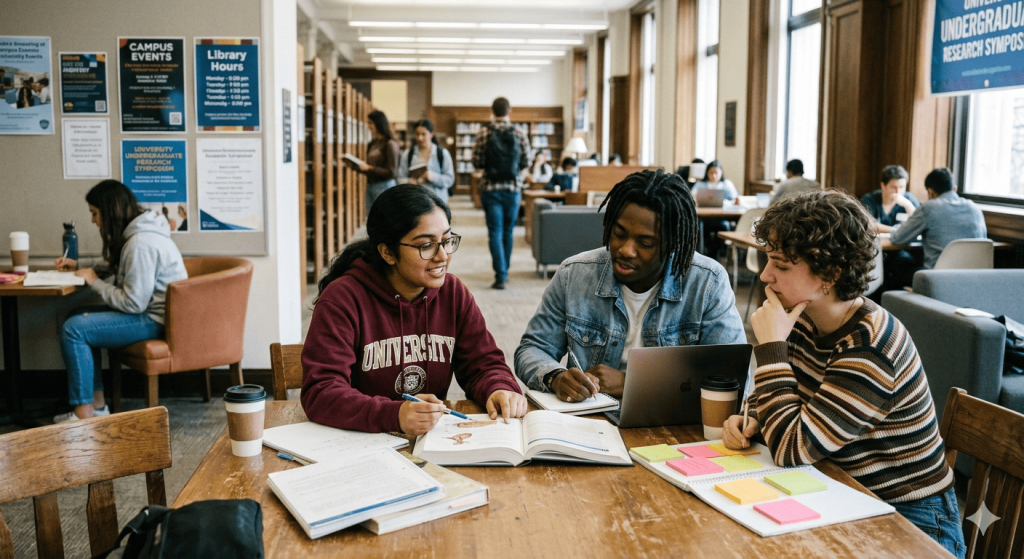
IIT provides comprehensive support services:
- Academic guidance
- Technical assistance
- Career advice
- Prompt response to queries
This ensures that students do not feel isolated despite studying online.
13. Global Relevance
In today’s interconnected and globalized world, education is no longer confined to physical classrooms or national boundaries. Institutions like the International Institute of Technology (IIT) have emerged as key players in transforming how knowledge is delivered and accessed. With the rapid advancement of technology, increasing mobility of the workforce, and the demand for skill-based learning, IIT holds significant global relevance. Its flexible, online, and industry-oriented approach aligns well with the needs of modern learners and employers across the world.
13.1 Online Education Growth
One of the most important factors contributing to the global relevance of IIT is the rapid growth of online education. Over the past decade, digital learning has evolved from a supplementary mode of education to a primary platform for millions of learners worldwide. Factors such as increased internet accessibility, technological innovation, and changing lifestyles have fueled this growth.
The COVID-19 pandemic further accelerated the adoption of online education, forcing institutions and students to adapt to virtual learning environments. Even after the pandemic, the demand for online education has remained strong due to its convenience and flexibility. Students no longer need to relocate or commute to attend classes, making education more accessible to people in remote or underserved areas.
IIT’s fully online learning model fits perfectly into this global trend. It allows students to study at their own pace, making it ideal for working professionals, parents, and individuals with other commitments. The self-paced structure ensures that learners can balance education with personal and professional responsibilities.
Moreover, online education supports lifelong learning, which is becoming increasingly important in a rapidly changing job market. As industries evolve, workers need to continuously update their skills to remain competitive. IIT provides an accessible platform for such upskilling and reskilling, making it highly relevant in the global context.
13.2 Industry Collaboration
Another significant aspect of IIT’s global relevance is its strong emphasis on industry collaboration. In today’s job market, employers are not only looking for academic qualifications but also practical skills and real-world experience. This has led to a growing demand for education that is closely aligned with industry needs.
IIT addresses this demand by designing its courses in collaboration with industry professionals and experts. This ensures that the curriculum remains up-to-date and relevant to current market trends. For example, courses in finance, accounting, and mortgage broking are structured to meet regulatory requirements and professional standards.
Industry collaboration also enhances the quality of learning by incorporating practical elements such as case studies, real-world scenarios, and applied projects. This approach helps students develop problem-solving skills and prepares them for real-life challenges in the workplace.
Furthermore, such collaboration can lead to better career opportunities for students. Employers are more likely to value qualifications that are recognized and supported by industry professionals. This increases the employability of IIT graduates not only in Australia but also in other parts of the world.
In a global economy where industries are interconnected, having an education system that reflects real-world practices is crucial. IIT’s focus on industry collaboration ensures that its graduates are equipped with skills that are relevant and transferable across different regions and markets.
13.3 International Students
The online nature of IIT’s programs makes it highly accessible to international students, contributing significantly to its global relevance. Unlike traditional institutions that require students to travel abroad, obtain visas, and bear high living expenses, IIT allows learners to access quality education from anywhere in the world.
This accessibility opens up opportunities for students from diverse backgrounds and countries. Individuals who may not have the financial resources or ability to relocate can still benefit from internationally recognized training programs. This democratization of education is a key feature of modern learning systems.
International students also bring diversity to the learning environment. Even in an online setting, interactions through discussion forums, group assignments, and virtual communication can expose students to different perspectives and cultural viewpoints. This enhances the overall learning experience and prepares students for working in multicultural environments.
Additionally, the ability to study from one’s home country while gaining qualifications from an international institution is particularly beneficial in developing regions. Students can acquire skills that are in demand globally without leaving their local context. This can contribute to economic development and workforce improvement in their home countries.
However, the global reach of IIT also requires careful consideration of different educational standards, cultural differences, and regulatory requirements. By continuously adapting to these factors, IIT can strengthen its position as a globally relevant institution.
Conclusion of Global Relevance
In conclusion, the International Institute of Technology plays a vital role in the global education landscape. Its alignment with the growth of online education, strong industry collaboration, and accessibility to international students make it a significant contributor to modern learning systems.
14. Future Prospects
The future of IIT looks promising due to:
- Increasing demand for online education
- Growing need for skill-based training
- Expansion into new course areas
- Technological advancements in education
15. Conclusion
The International Institute of Technology represents a modern approach to education, focusing on flexibility, practicality, and industry relevance. Its online learning model, accredited courses, and strong support system make it an attractive option for students and professionals alike.
While it may lack the traditional campus experience, its advantages outweigh the limitations for those seeking career-oriented education. As the world continues to evolve, institutions like IIT will play a crucial role in shaping the future of education by making learning more accessible, flexible, and aligned with industry needs.
Table of Contents