Medical Policies and Healthcare-Related Rules For Students
International Institute of Technology (IIT) – https://iitinstitute.org/
1. Introduction
The International Institute of Technology (IIT) recognizes that student health is a critical pillar of academic success, personal development, and campus safety. A structured healthcare policy ensures that students are protected against medical risks, supported during illness, and provided access to timely treatment without academic disruption.
Higher education environments—especially residential technical institutions—bring together large populations in shared spaces such as hostels, classrooms, laboratories, and cafeterias. This increases the risk of communicable diseases, stress-related conditions, and accidental injuries. Therefore, a well-defined medical policy is essential to ensure prevention, early intervention, and effective treatment.
The purpose of this document is to establish a comprehensive framework covering medical services, insurance coverage, emergency response systems, mental health support, hospitalization rules, student responsibilities, and administrative procedures related to healthcare.
These policies are designed to align with general best practices followed by technical universities and institutes in India and internationally, ensuring student safety, regulatory compliance, and institutional accountability.
2. Objectives of the Medical Policy
The key objectives include:
- To ensure accessible, affordable, and timely healthcare services for all students.
- To provide structured emergency medical response systems within campus.
- To establish clear rules for insurance coverage and reimbursement.
- To promote preventive healthcare and wellness awareness.
- To ensure mental health support and counseling services.
- To define responsibilities of students, healthcare staff, and administration.
- To maintain accurate medical records and confidentiality.
- To minimize health-related disruptions in academic progress.
3. Scope and Applicability
The Scope and Applicability section of the Medical Policies and Healthcare-Related Rules defines precisely who is covered under the institute’s healthcare framework and under what conditions the policy remains valid. This clarity is essential to ensure transparency, avoid misunderstandings, and establish clear boundaries of responsibility between the institution, students, and external healthcare providers.
The healthcare system at the International Institute of Technology (IIT) is designed to support a diverse student population, including domestic students, international students, research scholars, and different categories of academic participants. Since healthcare needs vary across these groups, the policy establishes a structured eligibility framework.
3.1 Categories of Covered Individuals
a) Undergraduate Students
All students enrolled in undergraduate programs such as B.Tech, B.Sc, and Integrated degree programs fall under the primary coverage of this medical policy. These students typically form the largest group on campus and often reside in hostels, making them highly dependent on institutional healthcare services.
Undergraduate students are eligible for:
- On-campus medical consultations
- Emergency healthcare services
- Referral-based treatment in empaneled hospitals
- Insurance coverage as per institutional policy
- Preventive healthcare programs such as vaccinations and screenings
Since undergraduate students are often in their late adolescence or early adulthood, the policy emphasizes both physical and mental health support, including counseling services for academic stress, lifestyle management, and emotional well-being.
b) Postgraduate Students
Postgraduate students enrolled in programs such as M.Tech, M.Sc, MBA, and other specialized courses are also fully covered under the healthcare policy. These students may be involved in intensive academic work, laboratory research, internships, and project-based learning, which can sometimes lead to irregular schedules and increased stress levels.
Postgraduate students are entitled to:
- Full access to Health Centre facilities
- Emergency medical support
- Insurance coverage (as per enrollment terms)
- Specialist referrals when necessary
- Mental health and counseling services
Although some postgraduate students may live off-campus, they remain eligible for institutional healthcare services during their official enrollment period. However, their usage of hostel-based facilities may depend on their residential status.
c) Research Scholars (PhD and Postdoctoral Fellows)
Research scholars, including PhD candidates and postdoctoral researchers (where applicable), represent a critical academic group with extended campus engagement. Their inclusion in the medical policy ensures long-term healthcare continuity due to the often prolonged duration of research programs.
Research scholars are entitled to:
- Comprehensive outpatient care at the Health Centre
- Emergency treatment and hospitalization support
- Insurance coverage under institute schemes
- Access to mental health counseling services
- Referral services for specialized treatment
Due to the demanding nature of research work, which may include long lab hours, fieldwork, and publication pressure, special emphasis is placed on stress management and preventive healthcare for this group.
In some cases, married research scholars may also receive limited healthcare support for dependents such as spouses or children, depending on institutional policy provisions.
d) International Students
International students enrolled in degree programs are fully included under the scope of this policy. Given their unique situation—being away from their home country and often unfamiliar with local healthcare systems—the institute provides additional support to ensure smooth access to medical services.
International students are provided:
- Orientation on healthcare facilities upon arrival
- Assistance in understanding insurance coverage
- Language and communication support when needed
- Emergency coordination with embassies or guardians if required
- Access to all standard medical and counseling services
The institute ensures that international students are not disadvantaged in any way regarding healthcare access and are given equal treatment under the institutional medical system.
e) Hostel Residents and Day Scholars
The policy applies to both hostel residents and day scholars, provided they are officially registered with the institute’s medical services.
Hostel residents typically rely more heavily on campus healthcare due to their proximity and residential nature. They are eligible for:
- 24×7 emergency care support
- Hostel-based medical assistance and first aid
- Routine health check-ups conducted in hostels
- Quick referral to the Health Centre
Day scholars, although not residing on campus, are still entitled to:
- Outpatient consultations
- Emergency care during campus hours or academic presence
- Referral services when required
- Participation in health camps and preventive programs
However, certain services such as hostel-based medical monitoring or night-time emergency response may primarily apply to resident students.
3.2 Time Period of Applicability
The medical policy is valid only during the period of official enrollment. This ensures that healthcare resources are appropriately allocated to active students.
a) Active Academic Enrollment
The policy is applicable only when a student is actively enrolled in an academic program. This includes periods when:
- Academic classes are in session
- Examinations are being conducted
- Students are registered for the current semester
Once a student completes their program or withdraws, they are no longer eligible for institutional healthcare services unless otherwise stated.
b) Hostel Residency Periods
For students residing in hostels, the policy applies throughout their approved hostel stay. This includes:
- Academic semesters
- Hostel stay during examination periods
- Authorized stay during project or research work
However, during vacation periods when students vacate hostels completely, certain non-emergency services may be limited. Emergency services may still be accessible depending on institutional rules.
c) Authorized Academic Activities Outside Campus
The policy extends beyond campus boundaries when students are engaged in officially sanctioned academic activities such as:
- Fieldwork and data collection
- Industrial training or internships arranged by the institute
- Academic conferences or workshops under institute sponsorship
- Study tours or research expeditions
During such activities, students may still be covered under insurance and emergency medical support provisions, provided they are officially authorized participants.
In case of illness or injury during such activities, students are expected to inform both the local supervisor and institute authorities immediately so that proper medical and insurance procedures can be initiated.
3.3 Exclusions from Scope
The policy clearly excludes individuals who are no longer actively associated with the institute.
a) Alumni
Graduates who have completed their academic programs are not eligible for medical services under this policy. Once the degree is awarded, the institutional healthcare responsibility ends unless a separate alumni health benefit program exists.
b) Withdrawn or Suspended Students
Students who have formally withdrawn, been suspended, or discontinued their studies are excluded from medical coverage from the date of termination of their enrollment.
c) Unauthorized Visitors or External Individuals
Family members, friends, or visitors who are not officially registered under any institute program are not covered under this medical policy unless specifically allowed under emergency humanitarian provisions.
3.4 Special Insurance Extension Clauses
In rare cases, certain medical insurance benefits may be extended beyond active enrollment under specific conditions such as:
- Ongoing hospitalization that began during enrollment
- Accidents occurring during the final days of academic tenure
- Special institutional approval for continuity of care
Such extensions are evaluated on a case-by-case basis and require formal approval from both the institute administration and the insurance provider.
3.5 Summary of Applicability Principles
The scope of this medical policy is designed around three core principles:
- Inclusivity during enrollment – All registered students are covered equally.
- Activity-based coverage – Protection extends to official academic activities beyond campus.
- Time-bound eligibility – Coverage is strictly limited to the duration of active association with the institute.
4. Institutional Health Infrastructure
4.1 Health Centre Overview
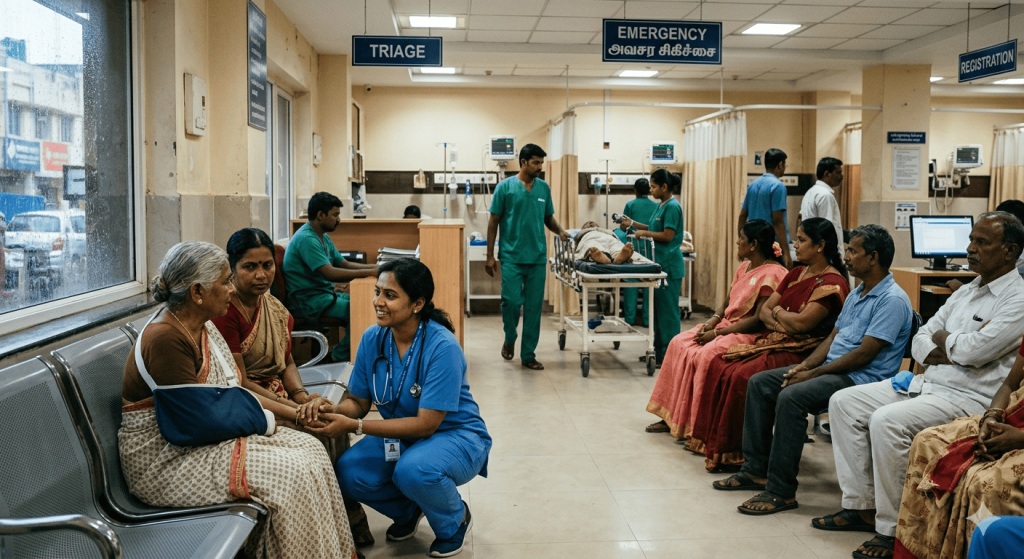
The IIT Health Centre serves as the primary healthcare facility on campus. It is staffed by qualified medical professionals including general physicians, nurses, pharmacists, and visiting specialists.
Services include:
- Outpatient consultations
- Emergency stabilization
- Basic laboratory diagnostics
- Pharmacy distribution of essential medicines
- Vaccination drives
- Health counseling
4.2 Clinical Departments (Typical Structure)
- General Medicine
- First Aid & Emergency Care
- Physiotherapy Unit
- Dental Consultation (visiting)
- Mental Health & Counseling Unit
- Sports Medicine Support
4.3 Diagnostic Facilities
Basic diagnostic capabilities include:
- Blood glucose testing
- Hemoglobin estimation
- Urine analysis
- Blood pressure monitoring
- ECG (in select cases)
Advanced diagnostics are outsourced to empaneled laboratories.
5. Emergency Medical Response System
5.1 Emergency Classification
Medical emergencies are classified as:
Level 1 – Minor
- Fever
- Headache
- Mild injury
Level 2 – Moderate
- Fractures
- Severe infections
- Dehydration
Level 3 – Severe / Critical
- Heart-related symptoms
- Severe trauma
- Loss of consciousness
- Respiratory distress
5.2 Response Procedure
- Immediate reporting to Health Centre or hostel warden
- First aid stabilization
- Emergency doctor evaluation
- Ambulance dispatch if required
- Referral to empaneled hospital
- Family notification
- Insurance activation (if applicable)
5.3 Ambulance Services
The campus maintains:
- 24×7 ambulance availability
- GPS-enabled emergency response system
- Trained paramedic staff
6. Medical Insurance Framework
6.1 Group Insurance Coverage
All eligible students are covered under a group insurance policy which typically includes:
- Hospitalization expenses
- Accidental injury coverage
- Emergency medical treatment
- Surgical procedures
- ICU care (within limits)
6.2 Insurance Activation Process
For cashless treatment:
- Student reports to Health Centre or hospital desk
- Insurance pre-authorization request is submitted
- Approval is obtained from insurance provider
- Treatment proceeds under cashless scheme
6.3 Claim Submission Process
For reimbursement:
- Hospital bills (original)
- Discharge summary
- Doctor prescriptions
- Diagnostic reports
- Insurance claim forms
- Student ID proof
Claims are processed within a defined timeframe, subject to verification.
7. Empaneled Hospital Network
The institute maintains a network of empaneled hospitals to ensure quality and affordability.
These include:
- Multi-specialty hospitals
- Government medical colleges
- Specialized treatment centers (cardiology, neurology, oncology)
Criteria for empanelment:
- Accreditation and licensing
- Infrastructure quality
- Emergency care capability
- Insurance compatibility
8. Referral System
The Referral System forms a critical component of the healthcare framework at the International Institute of Technology (IIT). It ensures that students receive the most appropriate level of medical care based on the severity and complexity of their health condition. The system is designed to create a structured pathway from primary care within the campus Health Centre to specialized external medical facilities when necessary.
A well-organized referral system helps maintain efficiency in healthcare delivery, avoids unnecessary medical expenses, and ensures that students are treated at the right facility at the right time. It also plays an important role in managing insurance claims and ensuring continuity of care.
8.1 Internal Referral Process
The internal referral process begins at the campus Health Centre, which serves as the first point of contact for all medical concerns. When a student reports an illness or injury, a general physician conducts an initial evaluation. Based on the diagnosis, the doctor may decide whether the case can be managed within the Health Centre or requires specialized attention.
The internal referral pathway typically follows this structure:
Health Centre → Specialist Consultation → External Hospital (if required)
If the condition requires further expertise, the student is referred to an in-house or visiting specialist. Many institutes have visiting doctors in fields such as:
- Orthopedics
- Gynecology
- Psychiatry
- Dermatology
- ENT (Ear, Nose, and Throat)
These specialists may visit the campus on scheduled days or be available through appointment-based consultations.
If the specialist determines that the condition cannot be treated within campus facilities, a formal referral is issued for external hospital treatment. This ensures a controlled escalation of care, where each step is medically justified and documented.
The internal referral process ensures:
- Proper medical evaluation before external treatment
- Reduced burden on external hospitals
- Cost-effective healthcare management
- Accurate medical record tracking
8.2 External Referral Conditions
External referrals are issued only when the Health Centre determines that the required treatment exceeds its medical capabilities. This ensures that students are not unnecessarily referred outside campus and that institutional healthcare resources are used effectively.
External referral is required under the following conditions:
a) Diagnosis Exceeds Campus Facility Capability
If a medical condition requires advanced diagnostic tools or specialist expertise not available at the campus Health Centre, the student is referred to an empaneled external hospital. This may include conditions requiring MRI scans, CT scans, advanced blood investigations, or rare disease evaluation.
b) Surgical Intervention is Needed
When a condition requires surgical treatment, the Health Centre refers the student to a hospital equipped with an operation theatre and surgical team. This includes both minor and major surgical procedures such as appendectomies, orthopedic surgeries, or emergency trauma surgeries.
c) Advanced Imaging is Required
Certain diagnostic procedures such as MRI, CT scans, PET scans, or specialized radiological assessments are not typically available within campus facilities. In such cases, external referral ensures accurate diagnosis and timely treatment planning.
d) Emergency Critical Care is Needed
In life-threatening situations—such as severe trauma, cardiac complications, respiratory failure, or neurological emergencies—the student must be immediately transferred to a fully equipped hospital with ICU facilities. The referral in such cases is rapid and may bypass standard procedural delays to prioritize patient survival.
8.3 Documentation and Authorization
All external referrals must be documented and authorized by the campus medical officer. The referral document typically includes:
- Patient details
- Preliminary diagnosis
- Reason for referral
- Recommended hospital (if applicable)
- Medical urgency level
This documentation is essential for insurance processing and ensures accountability in the referral chain.
8.4 Insurance and Reimbursement Linkage
External referrals are closely tied to insurance procedures. Students are generally eligible for cashless treatment at empaneled hospitals only when the referral is properly authorized. In cases where treatment is taken without referral, reimbursement may be denied or partially approved depending on policy conditions.
8.5 Unauthorized Treatment Clause
Students are strongly advised not to seek external treatment without prior approval from the Health Centre, except in genuine emergencies. Unauthorized medical treatment may lead to:
- Non-reimbursement of expenses
- Requirement for additional verification
- Delays in insurance claim processing
However, in life-threatening emergencies where immediate treatment is necessary, the institute may review the case sympathetically and consider reimbursement on a case-by-case basis.
9. Hospitalization Policies
9.1 Admission Guidelines
Students are admitted to hospitals when:
- Condition requires continuous observation
- Surgical intervention is necessary
- Severe illness prevents outpatient treatment
9.2 Room Eligibility
Students are generally entitled to:
- General ward accommodation
Upgrades are permitted only if:
- Medically justified
- Insurance allows partial coverage
- Additional costs are borne by student/family
10. Pharmacy and Medication Management
10.1 Campus Pharmacy
The Health Centre pharmacy provides:
- Essential medicines
- Emergency drugs
- Prescribed antibiotics
- First aid supplies
10.2 Prescription Policy
- Medicines are dispensed only on valid prescription
- Self-medication for antibiotics is prohibited
- Controlled medicines require doctor supervision
10.3 Drug Safety Monitoring
- Expiry tracking system
- Storage temperature monitoring
- Controlled substance logs
11. Preventive Healthcare System
Preventive healthcare includes:
11.1 Vaccination Programs
- Annual flu vaccination
- Hepatitis vaccination
- Typhoid immunization
- Outbreak-specific vaccines
11.2 Health Screening
- Annual physical check-ups
- Blood tests for hostellers
- Vision and dental screening camps
11.3 Awareness Programs
- Hygiene workshops
- Nutrition seminars
- Stress management training
12. Mental Health Services
12.1 Counseling Center
Services include:
- Academic stress counseling
- Anxiety and depression support
- Crisis intervention
- Behavioral therapy
12.2 Confidentiality Policy
All counseling sessions are strictly confidential unless:
- Student poses danger to self/others
- Legal intervention is required
12.3 Referral to Psychiatric Specialists
Severe cases may be referred to:
- Psychiatric hospitals
- External licensed therapists
13. Chronic Illness Management
Students with chronic conditions require:
- Medical registration with Health Centre
- Periodic follow-ups
- Medication tracking
- Emergency alert tags (optional)
Conditions include:
- Diabetes
- Asthma
- Epilepsy
- Hypertension
14. Disability and Accessibility Support
The institute provides support for students with disabilities:
- Wheelchair accessibility
- Special hostel accommodations
- Priority medical attention
- Assistive devices coordination
Medical certification may be required for eligibility.
15. Sports Injury and Fitness Care

15.1 Sports Medicine Unit
Handles:
- Muscle injuries
- Ligament tears
- Fracture recovery support
- Physiotherapy
15.2 Fitness Monitoring
- Gym safety supervision
- Physical training assessments
- Injury prevention workshops
16. Infectious Disease Control Policy
16.1 Isolation Protocol
Students with contagious diseases:
- Must report immediately
- May be isolated in designated rooms
- Receive monitored treatment
16.2 Outbreak Management
In case of outbreaks:
- Campus sanitation drives
- Temporary class adjustments
- Health screening of contacts
17. Pandemic Response Policy
During pandemics:
- Mandatory health screening
- Mask and hygiene enforcement
- Quarantine facilities
- Remote learning support if required
- Telemedicine services
18. Telemedicine Services
Students may access:
- Online doctor consultations
- Prescription issuance digitally
- Follow-up consultations
This is especially useful for:
- Minor illnesses
- Remote internship periods
- After-hours consultations
19. Medical Records and Data Privacy
19.1 Record Maintenance
Includes:
- Patient history
- Treatment logs
- Diagnostic results
19.2 Data Security
- Access restricted to authorized staff
- Digital encryption systems
- Compliance with privacy norms
20. Consent and Ethical Guidelines
The Consent and Ethical Guidelines section of the Medical Policies and Healthcare-Related Rules at the International Institute of Technology (IIT) establishes the fundamental principles governing medical decision-making, patient autonomy, and ethical conduct within the institutional healthcare system. These guidelines ensure that all medical services provided to students are carried out in a lawful, transparent, and ethically responsible manner, respecting both individual rights and medical necessity.
Healthcare in an academic institution involves a diverse population of adult students, young adults, and in some cases, minors. Therefore, a structured consent framework is essential to balance personal autonomy with institutional responsibility and emergency care requirements.
20.1 Student Consent in Medical Treatment
In most medical situations, treatment is administered only after obtaining informed consent from the student. Informed consent means that the student:
- Has been clearly informed about the diagnosis
- Understands the proposed treatment or procedure
- Is aware of possible risks and alternatives
- Voluntarily agrees to proceed with the recommended care
Consent may be verbal or written depending on the severity of the medical intervention. For routine procedures such as general consultation, basic diagnostic tests, or prescription of medication, verbal consent is generally sufficient. However, for invasive procedures, hospitalization, or surgical interventions, written consent is typically required.
The principle of student consent ensures that individuals maintain control over their own medical decisions while receiving professional guidance from healthcare providers.
20.2 Parental or Guardian Consent for Special Cases
While most students in higher education are legally adults, parental or guardian consent may still be required in certain special circumstances. These may include:
- Students below the age of 18 (minors)
- Severe medical conditions requiring high-risk treatment
- Psychiatric or psychological interventions involving long-term therapy or hospitalization
- Situations where the student is physically or mentally unable to provide informed consent
In such cases, the institute may contact the parent or legal guardian to obtain approval before proceeding with non-emergency treatments. This ensures legal compliance and shared decision-making in complex medical scenarios.
For international students, consent may also involve coordination with authorized guardians or embassy representatives depending on visa and institutional requirements.
20.3 Ethical Responsibilities of Medical Staff
All healthcare professionals working within the institute are required to adhere to strict ethical standards. These include:
- Maintaining patient confidentiality at all times
- Providing unbiased and non-discriminatory treatment
- Ensuring transparency in diagnosis and treatment options
- Avoiding conflicts of interest in referrals or prescriptions
- Treating all students with dignity and respect
Medical staff must also ensure that students are not coerced into accepting treatment and are given sufficient time and information to make informed decisions, except in emergencies.
Confidentiality is a core ethical obligation. Medical records, consultation details, and psychological assessments are protected and shared only with authorized personnel or when legally required.
20.4 Emergency Treatment Without Prior Consent
In situations where a student’s life is at risk or immediate medical intervention is required, treatment may be administered without prior consent. This principle is based on the ethical doctrine of “implied consent,” which assumes that a reasonable person would consent to life-saving treatment if they were able to do so.
Emergency conditions may include:
- Severe accidents or trauma
- Cardiac arrest or respiratory failure
- Loss of consciousness
- Severe bleeding or internal injuries
- Acute psychiatric emergencies posing risk to self or others
In such cases, medical professionals are authorized to proceed immediately with necessary treatment to stabilize the patient. Once the patient is stable, consent procedures are resumed, and the student or guardian is informed about the care provided.
20.5 Ethical Review and Oversight
To ensure accountability, the institute may establish a medical ethics committee responsible for:
- Reviewing complex or sensitive medical cases
- Addressing ethical disputes or complaints
- Monitoring compliance with consent procedures
- Ensuring adherence to institutional and legal medical standards
This committee helps maintain transparency and trust between students and healthcare providers.
21. Academic Flexibility Due to Health Issues
Students may apply for:
- Medical leave
- Exam rescheduling
- Assignment extensions
Approval requires:
- Valid medical certificate
- Health Centre verification
22. Grievance Redressal System
Students may report issues such as:
- Medical negligence
- Insurance disputes
- Miscommunication
Process:
- Complaint submission
- Review by medical committee
- Resolution within defined timeframe
23. Code of Conduct in Medical Facilities
Students must:
- Maintain discipline in Health Centre
- Avoid overcrowding consultation areas
- Follow doctor instructions
- Respect medical staff
Misconduct may lead to disciplinary action.
24. Limitations of Medical Services
Despite strong infrastructure:
- Advanced surgeries require external hospitals
- ICU capacity is limited
- Insurance caps apply
Students are encouraged to maintain personal health awareness.
25. Conclusion
The Medical Policies and Healthcare-Related Rules of the International Institute of Technology (IIT) establish a structured, comprehensive, and student-centered healthcare system. The framework integrates preventive care, emergency response, mental health services, insurance coverage, and ethical medical governance.
Table of Contents