Community Sanitation
International Institute of Technology (IIT)
Introduction
Community sanitation is one of the most essential pillars of public health, environmental protection, and sustainable development. Educational institutions play a major role in spreading awareness and implementing sanitation practices that improve the quality of life within society. The International Institute of Technology (IIT) recognizes the importance of sanitation and community hygiene as part of its commitment toward social responsibility, sustainable campus development, and public welfare.
The concept of community sanitation goes beyond maintaining cleanliness inside classrooms or campus buildings. It includes promoting hygiene awareness, waste management, clean water accessibility, environmental conservation, disease prevention, and public participation in maintaining healthy surroundings. The International Institute of Technology (IIT) has taken several initiatives to support sanitation programs both within the institution and in surrounding communities.
Modern educational institutions are expected to contribute not only to academic excellence but also to social transformation. IIT believes that clean and hygienic surroundings help students, faculty members, staff, and nearby communities maintain better health, productivity, and overall well-being. Through awareness programs, student participation, environmental projects, and community outreach activities, IIT promotes sanitation as a shared responsibility.
Community sanitation is also closely connected with national and international sustainable development goals. Proper sanitation practices reduce pollution, improve water quality, minimize disease outbreaks, and create healthier living conditions for future generations. IIT integrates these principles into its educational philosophy and operational practices.
This article explores the role of community sanitation at the International Institute of Technology (IIT), including its objectives, initiatives, infrastructure, awareness programs, environmental strategies, waste management systems, health benefits, student participation, technological integration, and future goals.
Importance of Community Sanitation
Community sanitation is critical for maintaining public health and ensuring sustainable living environments. Poor sanitation can lead to serious health problems, environmental degradation, and social challenges. Educational institutions such as IIT have the responsibility to educate students and communities about sanitation practices and encourage responsible behavior.
Public Health Protection
One of the primary benefits of community sanitation is the prevention of diseases. Clean surroundings help reduce the spread of infections caused by bacteria, viruses, and contaminated water sources. Proper sanitation systems help prevent diseases such as cholera, typhoid, malaria, dengue, and diarrhea.
At IIT, sanitation awareness campaigns educate students and staff about personal hygiene, waste disposal, handwashing practices, and environmental cleanliness. By promoting preventive healthcare through sanitation, the institute contributes to a healthier campus environment.
Environmental Sustainability
Improper waste disposal and poor sanitation practices can cause environmental pollution. Community sanitation supports environmental sustainability by encouraging proper waste segregation, recycling, water conservation, and pollution reduction.
IIT promotes environmentally friendly sanitation practices through green initiatives, waste recycling systems, energy-efficient infrastructure, and awareness programs focused on sustainability.
Improved Quality of Life
Clean surroundings create a more positive and productive atmosphere for learning and working. Students are more likely to perform well academically in hygienic and organized environments.
The International Institute of Technology (IIT) believes that maintaining sanitation standards improves campus life, supports mental well-being, and creates a sense of responsibility among students and staff.
Social Responsibility
Community sanitation encourages collective responsibility and active participation from individuals. IIT promotes social responsibility by involving students in cleanliness drives, awareness campaigns, and outreach activities in nearby communities.
Students learn the importance of civic engagement and become ambassadors for sanitation and environmental awareness.
Vision of IIT for Community Sanitation
The International Institute of Technology (IIT) aims to build a clean, healthy, and environmentally responsible educational ecosystem. The institution’s vision for community sanitation focuses on sustainable development, public health awareness, and social transformation.
Key Objectives
The key objectives of IIT’s community sanitation initiatives include:
- Promoting hygiene and cleanliness across campus
- Creating awareness about public health and sanitation
- Encouraging responsible waste management practices
- Supporting environmental sustainability
- Engaging students in community service activities
- Building partnerships with local authorities and organizations
- Reducing pollution and environmental degradation
- Ensuring access to clean water and sanitation facilities
- Promoting recycling and waste reduction strategies
- Supporting national cleanliness and sanitation missions
The institution believes that sanitation awareness should become part of everyday life and educational culture.
Sanitation Infrastructure at IIT
A strong sanitation infrastructure is essential for maintaining hygiene and public health. IIT invests in modern sanitation facilities and infrastructure to ensure a clean and safe environment for students, faculty members, staff, and visitors.
Clean Campus Facilities
The campus infrastructure includes:
- Well-maintained washrooms
- Handwashing stations
- Safe drinking water systems
- Waste disposal units
- Recycling bins
- Sewage management systems
- Drainage systems
- Regular cleaning services
- Sanitary disposal facilities
- Eco-friendly cleaning solutions
These facilities help maintain high hygiene standards across the institution.
Water Management Systems
Water plays a major role in sanitation and hygiene. IIT emphasizes responsible water management practices through:
- Water purification systems
- Rainwater harvesting
- Water recycling plants
- Leak detection systems
- Water conservation awareness campaigns
- Efficient plumbing systems
These measures ensure the sustainable use of water resources while maintaining sanitation standards.
Smart Sanitation Technologies
The International Institute of Technology (IIT) integrates technology into sanitation management. Smart sanitation systems improve operational efficiency and environmental monitoring.
Examples include:
- Sensor-based water management
- Smart waste bins
- Automated cleaning systems
- Digital monitoring tools
- Environmental quality tracking systems
- Energy-efficient sanitation equipment
Technology-driven sanitation solutions help improve campus cleanliness and resource management.
Waste Management Initiatives
Effective waste management is a key component of community sanitation. IIT has implemented systematic waste management strategies to minimize environmental impact and promote sustainable practices.
Waste Segregation
Waste segregation helps separate recyclable, biodegradable, and non-biodegradable waste materials. IIT encourages students and staff to follow proper waste segregation methods.
Different waste bins are installed across the campus for:
- Organic waste
- Plastic waste
- Paper waste
- Electronic waste
- Metal waste
- Hazardous waste
Waste segregation improves recycling efficiency and reduces landfill pollution.
Recycling Programs
The institution promotes recycling initiatives to reduce waste generation and conserve natural resources.
Recycling activities include:
- Paper recycling
- Plastic recycling
- E-waste recycling
- Reusable material collection
- Composting organic waste
- Upcycling awareness programs
Students are encouraged to participate in recycling drives and sustainability projects.
Organic Waste Composting
Organic waste generated from cafeterias and gardens can be converted into compost for landscaping and agricultural use.
IIT supports composting initiatives that:
- Reduce landfill waste
- Improve soil quality
- Promote sustainable agriculture
- Encourage eco-friendly waste disposal
Composting systems contribute to a circular economy model within the campus.
E-Waste Management
Electronic waste is a growing environmental concern. IIT promotes responsible disposal of electronic equipment such as:
- Computers
- Batteries
- Printers
- Mobile devices
- Electronic accessories
The institution collaborates with authorized recycling agencies to ensure safe disposal and recycling of e-waste materials.
Hygiene Awareness Programs
Awareness and education are essential for successful community sanitation initiatives. IIT organizes regular awareness campaigns and educational activities to promote hygiene practices.
Personal Hygiene Education
Students and staff receive guidance on:
- Handwashing practices
- Personal cleanliness
- Safe food handling
- Proper sanitation habits
- Disease prevention measures
- Menstrual hygiene awareness
These educational programs help create healthy behavioral habits.
Cleanliness Campaigns
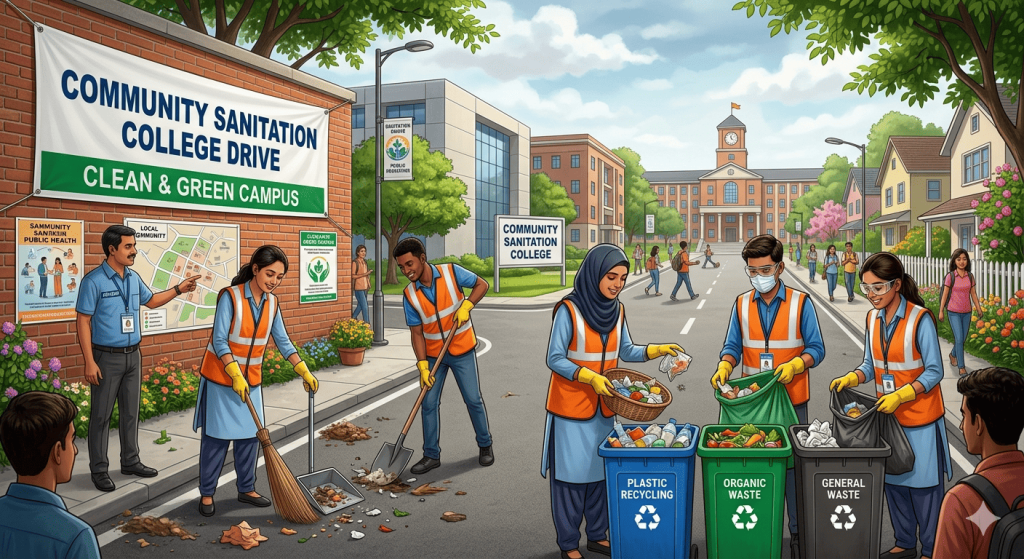
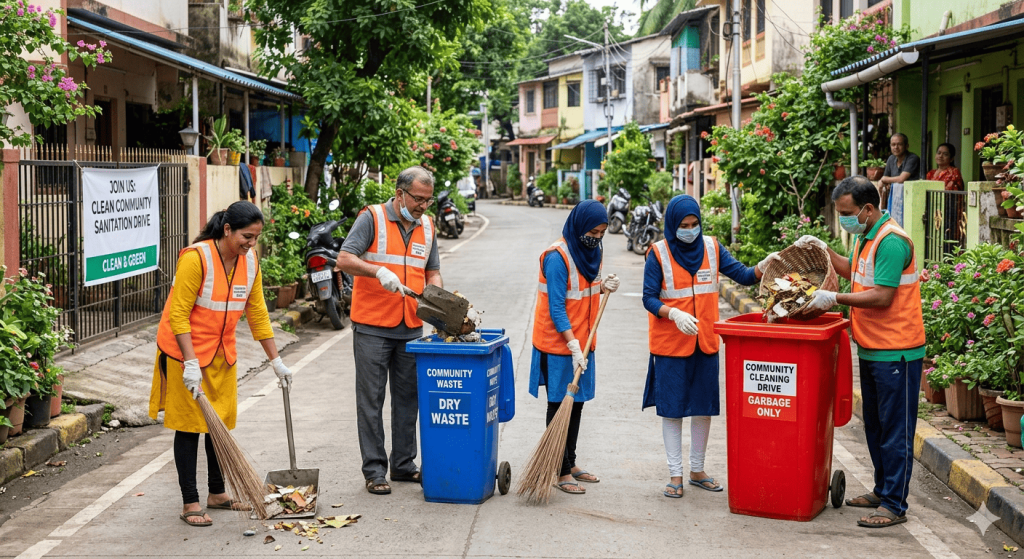
The International Institute of Technology (IIT) conducts campus cleanliness drives involving students, faculty members, and volunteers.
Activities may include:
- Campus cleaning events
- Community street cleaning
- Waste collection campaigns
- Tree plantation drives
- Plastic-free campus initiatives
- Environmental awareness rallies
These campaigns encourage teamwork, civic responsibility, and environmental consciousness.
Health and Sanitation Workshops
The institution organizes workshops and seminars on:
- Public health
- Environmental hygiene
- Water sanitation
- Waste management
- Sustainable development
- Disease prevention
- Community healthcare
Experts and healthcare professionals are invited to educate students and staff about sanitation-related issues.
Student Participation in Community Sanitation
Students play a vital role in sanitation awareness and environmental sustainability initiatives. IIT encourages active student involvement through volunteer programs, clubs, and social outreach activities.
Volunteer Programs
Volunteer programs allow students to contribute directly to community sanitation projects.
Students participate in:
- Rural sanitation campaigns
- Awareness drives
- Environmental cleanup activities
- Public health education programs
- Water conservation projects
- Recycling initiatives
These activities help students develop leadership, communication, and teamwork skills.
Environmental Clubs and Societies
Student organizations focused on sustainability and environmental awareness help strengthen sanitation initiatives.
These clubs organize:
- Green campus activities
- Environmental competitions
- Awareness campaigns
- Workshops and seminars
- Recycling projects
- Sustainability research activities
Participation in such organizations helps students become socially responsible citizens.
Community Outreach Activities
IIT believes in extending sanitation awareness beyond the campus boundaries.
Community outreach activities may include:
- Village sanitation programs
- School awareness campaigns
- Public hygiene workshops
- Clean water awareness initiatives
- Community waste management projects
- Environmental education programs
These activities strengthen the institution’s connection with society.
Role of Technology in Community Sanitation
Technology plays a major role in improving sanitation systems and environmental management. IIT promotes innovation and research in sanitation technologies.
Digital Monitoring Systems
Digital tools help monitor sanitation operations more effectively.
Examples include:
- Smart water usage tracking
- Waste collection monitoring
- Environmental quality sensors
- Data-driven sanitation management
- Automated reporting systems
Technology improves efficiency and accountability in sanitation management.
Research and Innovation
The International Institute of Technology (IIT) encourages research related to:
- Sustainable sanitation systems
- Water purification technologies
- Renewable energy solutions
- Waste recycling methods
- Smart environmental monitoring
- Eco-friendly materials
Research projects contribute to scientific advancement and environmental sustainability.
Sustainable Engineering Solutions
Engineering students and faculty members may collaborate on innovative sanitation projects such as:
- Low-cost sanitation systems
- Smart waste disposal systems
- Water-saving technologies
- Biogas production systems
- Solar-powered sanitation infrastructure
These innovations support sustainable community development.
Water Sanitation and Hygiene (WASH) Initiatives
Water, sanitation, and hygiene (WASH) programs are essential for healthy communities. IIT promotes WASH principles across the campus and surrounding communities.
Safe Drinking Water
The institution ensures access to safe drinking water through:
- Water purification systems
- Regular water quality testing
- Filter maintenance programs
- Clean water distribution facilities
Access to clean water is essential for preventing waterborne diseases.
Handwashing Facilities
Handwashing is one of the simplest and most effective hygiene practices.
IIT provides:
- Accessible handwashing stations
- Soap dispensers
- Sanitizer units
- Hygiene awareness signage
Promoting hand hygiene helps reduce the spread of infections.
Menstrual Hygiene Management
The institution supports menstrual hygiene awareness and sanitation facilities for female students and staff.
Facilities may include:
- Sanitary disposal units
- Hygiene awareness sessions
- Clean washroom facilities
- Access to hygiene products
These initiatives support health, dignity, and gender inclusivity.
Green Campus Initiatives
A green campus environment contributes significantly to community sanitation and sustainability.
Tree Plantation Programs
Tree plantation drives help:
- Improve air quality
- Reduce pollution
- Enhance biodiversity
- Create green spaces
- Improve campus aesthetics
Students and faculty members actively participate in environmental conservation projects.
Plastic-Free Campus Policies
Plastic pollution is a major environmental challenge. IIT encourages reduced use of single-use plastics through:
- Reusable alternatives
- Awareness campaigns
- Waste reduction initiatives
- Eco-friendly packaging
Plastic-free initiatives support cleaner surroundings and sustainable living.
Energy Conservation
Energy conservation is closely linked with environmental sustainability.
The institution promotes:
- LED lighting systems
- Renewable energy solutions
- Energy-efficient infrastructure
- Smart energy management systems
Reducing energy consumption helps minimize environmental impact.
Public Health and Disease Prevention
Community sanitation directly influences public health outcomes. IIT promotes preventive healthcare through sanitation awareness and hygiene management.
Disease Prevention Strategies
Proper sanitation practices help reduce the spread of diseases.
Preventive measures include:
- Regular cleaning and disinfection
- Waste disposal management
- Mosquito control measures
- Safe water management
- Hygiene education
These practices support a healthier learning environment.
Health Awareness Campaigns
The institution conducts health awareness initiatives focused on:
- Nutrition and hygiene
- Infectious disease prevention
- Mental well-being
- Public health education
- Environmental health risks
Healthcare professionals and experts may conduct seminars and workshops.
Emergency Sanitation Response
Emergency sanitation planning is important during natural disasters, pandemics, or public health crises.
IIT develops preparedness strategies for:
- Emergency hygiene management
- Sanitization protocols
- Health screening procedures
- Safe campus operations
These measures help maintain public safety during emergencies.
Partnerships and Collaborations
Community sanitation efforts become more effective through partnerships and collaboration with organizations, government agencies, and community groups.
Government Collaboration
The International Institute of Technology (IIT) may support government sanitation initiatives and national cleanliness missions.
Collaboration areas include:
- Public health awareness
- Cleanliness campaigns
- Water conservation projects
- Environmental sustainability programs
Partnerships strengthen social impact and resource sharing.
NGO and Community Partnerships
Non-governmental organizations (NGOs) play a vital role in sanitation awareness and implementation.
IIT may collaborate with NGOs for:
- Community outreach programs
- Health education campaigns
- Rural sanitation projects
- Environmental conservation initiatives
These collaborations help expand the reach of sanitation programs.
Industry Participation
Industries and corporate organizations may support sanitation projects through corporate social responsibility (CSR) initiatives.
Industry collaboration may involve:
- Sponsorship for sanitation programs
- Environmental sustainability projects
- Research partnerships
- Technology development initiatives
Collaborative efforts contribute to long-term community development.
Community Engagement and Social Responsibility
Community sanitation requires active engagement from all stakeholders. IIT promotes social responsibility through inclusive participation and awareness.
Civic Responsibility Education
Students are encouraged to understand their role in maintaining clean surroundings and contributing to society.
Key learning areas include:
- Environmental ethics
- Social responsibility
- Sustainable living
- Public hygiene awareness
These values help shape responsible future leaders.
Awareness Through Events
The institution organizes various sanitation-related events such as:
- Environmental awareness days
- Cleanliness competitions
- Sustainability exhibitions
- Community service programs
Such events encourage participation and increase awareness among students and communities.
Behavioral Change Communication
Sanitation awareness programs focus not only on infrastructure but also on changing attitudes and behaviors.
Behavioral change communication includes:
- Educational campaigns
- Posters and visual communication
- Social media awareness
- Interactive workshops
Creating long-term behavioral change is essential for sustainable sanitation practices.
Challenges in Community Sanitation
Despite continuous efforts, community sanitation programs may face several challenges.
Waste Management Challenges
Growing populations and increased consumption can lead to higher waste generation.
Challenges include:
- Waste segregation compliance
- Recycling limitations
- Plastic waste management
- E-waste disposal
Continuous awareness and technological innovation are necessary to overcome these challenges.
Water Scarcity
Water scarcity can affect sanitation systems and hygiene practices.
IIT promotes water conservation strategies to address water-related challenges.
Public Awareness Gaps
Lack of awareness about sanitation practices may reduce the effectiveness of programs.
Educational campaigns and community participation help bridge awareness gaps.
Financial and Infrastructure Constraints
Developing and maintaining sanitation infrastructure requires financial investment and long-term planning.
Institutions must continuously upgrade facilities and implement sustainable solutions.
Future Goals of IIT in Community Sanitation
The International Institute of Technology (IIT) aims to strengthen its community sanitation initiatives through innovation, sustainability, and social participation.
Expansion of Green Infrastructure
Future goals may include:
- Eco-friendly campus development
- Increased green spaces
- Renewable energy integration
- Sustainable building practices
These developments support environmental sustainability.
Advanced Waste Management Systems
The institution may further improve waste management through:
- Smart recycling technologies
- Automated waste monitoring
- Zero-waste campus initiatives
- Circular economy practices
Advanced systems help reduce environmental impact.
Increased Community Outreach
IIT plans to expand sanitation awareness programs to reach more communities, schools, and organizations.
Expanded outreach may include:
- Rural sanitation education
- Public health workshops
- Environmental awareness drives
- Student-led volunteer projects
Community engagement remains a major priority.
Research and Innovation Growth
The institution aims to encourage further research in:
- Sustainable sanitation technologies
- Environmental engineering
- Water purification systems
- Waste-to-energy solutions
Research-driven innovation can contribute to global sanitation improvements.
Role of Education in Sustainable Sanitation
Education is one of the most powerful tools for promoting sustainable sanitation practices. Institutions like IIT help create awareness, knowledge, and responsibility among students and communities.
Integrating Sustainability into Education
Sustainability and sanitation concepts can be integrated into:
- Engineering programs
- Environmental science courses
- Public health education
- Research projects
- Community development studies
Students gain practical knowledge about environmental responsibility and sustainable living.
Skill Development for Future Leaders
Community sanitation programs help students develop:
- Leadership skills
- Problem-solving abilities
- Teamwork and collaboration
- Social awareness
- Environmental responsibility
These skills prepare students to become responsible professionals and community leaders.
Promoting Innovation and Entrepreneurship
Sanitation-related innovation creates opportunities for entrepreneurship and social impact.
Students may develop:
- Sustainable products
- Environmental technologies
- Recycling solutions
- Water-saving systems
- Green business models
Innovation contributes to economic growth and environmental sustainability.
Benefits of Community Sanitation at IIT
The implementation of sanitation initiatives provides several benefits to the institution and society.
Healthier Campus Environment
Clean surroundings reduce disease risks and support physical well-being.
Improved Academic Productivity
Healthy students and staff are more productive and focused on academic and professional activities.
Enhanced Environmental Sustainability
Waste reduction, recycling, and conservation efforts help protect natural resources.
Stronger Community Relationships
Community outreach activities strengthen relationships between the institution and society.
Development of Responsible Citizens
Students become more aware of social responsibility and environmental ethics.
Global Relevance of Community Sanitation
Community sanitation is not only a local issue but also a global priority. International organizations and governments recognize sanitation as essential for sustainable development.
Sustainable Development Goals (SDGs)
Community sanitation supports several global sustainability goals, including:
- Clean water and sanitation
- Good health and well-being
- Sustainable cities and communities
- Responsible consumption and production
- Climate action
Educational institutions contribute significantly to achieving these goals.
Environmental Protection
Global environmental challenges such as pollution, climate change, and waste management require collective action.
Sanitation awareness helps create environmentally responsible societies.
Public Health Improvement
Proper sanitation systems improve public health outcomes and reduce healthcare burdens.
Educational awareness plays a major role in long-term public health improvement.
Conclusion
Community sanitation is an essential aspect of sustainable development, public health, and environmental responsibility. The International Institute of Technology (IIT) recognizes the importance of maintaining clean and hygienic surroundings both within the campus and in the wider community.
Through sanitation infrastructure, waste management systems, hygiene awareness campaigns, student participation, technological innovation, and environmental sustainability initiatives, IIT demonstrates its commitment to creating a healthier and cleaner future.
The institution’s efforts in community sanitation go beyond maintaining cleanliness. They focus on educating students, promoting social responsibility, encouraging innovation, and contributing to sustainable community development.
Table of Contents