Right To Information
Introduction
The Right to Information (RTI) is one of the most significant democratic tools that empowers citizens to seek transparency and accountability in governance. In India, the RTI Act of 2005 revolutionized the relationship between the state and its citizens by granting the legal right to access information held by public authorities. This legislation has had far-reaching implications across sectors, including education. Among the most prominent institutions affected by RTI are the International Institute of Technology (IIT), which are considered premier public-funded institutions.
The intersection of RTI and IITs raises important questions about transparency, academic autonomy, administrative accountability, and the balance between public scrutiny and institutional independence. This essay explores the concept of RTI, its legal framework, and its application in IITs, highlighting its benefits, challenges, and broader implications.
The RTI Act, enacted in 2005, is grounded in the fundamental right to freedom of speech and expression under Article 19(1)(a) of the Indian Constitution. It enables citizens to request information from public authorities, who are required to respond within a stipulated time frame. The Act mandates the appointment of Public Information Officers (PIOs) in every public authority and establishes mechanisms such as the Central and State Information Commissions to address grievances and appeals. Its primary objective is to promote transparency, curb corruption, and enhance accountability in governance.
International Institute of Technology (IIT), being publicly funded institutions established by Acts of Parliament, fall within the ambit of the RTI Act. As centers of excellence in technical education and research, IITs enjoy significant autonomy in academic and administrative matters. However, their status as public authorities means they are accountable to citizens for their functioning, finances, and decision-making processes. This dual identity creates a complex dynamic between openness and independence.
The implementation of RTI in IITs has brought several benefits. Firstly, it has enhanced transparency in administrative processes such as admissions, recruitment, promotions, and allocation of resources. Students and stakeholders can seek information regarding evaluation criteria, selection procedures, and institutional policies, thereby reducing ambiguity and potential biases. Secondly, RTI has acted as a deterrent against corruption and malpractice by making officials more accountable for their decisions. The possibility of public scrutiny encourages adherence to rules and ethical standards.
Furthermore, RTI has empowered students and faculty members within IITs. For instance, students dissatisfied with grading or disciplinary actions can use RTI to obtain relevant information and ensure fairness. Faculty members can also seek clarity on administrative decisions affecting their careers. In this way, RTI serves as a tool for internal accountability as well as external oversight.
Despite its advantages, the application of RTI in IITs also presents several challenges. One of the primary concerns is the potential infringement on academic autonomy. IITs require a degree of independence to foster innovation, research, and academic freedom. Excessive or frivolous RTI applications can burden the administration and interfere with routine functioning. For example, repeated requests for detailed evaluation records or research data may disrupt academic processes and strain institutional resources.
Another challenge lies in maintaining confidentiality and protecting sensitive information. IITs handle various types of data, including intellectual property, research findings, and personal information of students and staff. The RTI Act includes exemptions under Section 8 to safeguard such information, but determining what constitutes exempt information can be complex and contentious. Balancing transparency with confidentiality is therefore a critical issue.
Additionally, the administrative burden of handling RTI applications can be significant. IITs receive a large number of requests, many of which may be vague or repetitive. Processing these applications requires time, manpower, and resources, which could otherwise be utilized for academic and research activities. This raises concerns about the efficient use of institutional capacity.
The judiciary and information commissions have played a crucial role in shaping the application of RTI in educational institutions. Various rulings have clarified the scope of information that can be disclosed and emphasized the importance of transparency while respecting institutional autonomy. For instance, courts have upheld the right of students to access evaluated answer sheets, reinforcing accountability in the examination system. At the same time, they have recognized the need to protect sensitive academic and research-related information.
Understanding the Right to Information
The Right to Information is rooted in the fundamental principles of democracy, where citizens have the right to know how they are governed. In India, RTI is derived from Article 19(1)(a) of the Constitution, which guarantees freedom of speech and expression. The Supreme Court has interpreted this right to include the right to receive information.
The RTI Act, 2005, provides a structured mechanism through which citizens can request information from public authorities. Key features of the Act include:
- The obligation of public authorities to maintain and provide information.
- The appointment of Public Information Officers (PIOs).
- A time-bound response mechanism.
- The establishment of Central and State Information Commissions.
- Penalties for non-compliance.
The Act defines “information” broadly, including records, documents, memos, emails, opinions, advice, press releases, and data held in any form.
International Institute of Technology (IIT): An Overview
The IITs are autonomous public technical universities funded by the Government of India. Established with the aim of advancing technical education and research, IITs have become globally recognized institutions. Despite their autonomy in academic matters, they remain public authorities under the RTI Act due to government funding.
IITs operate under the Institutes of Technology Act, 1961, and are governed by Boards of Governors. Their administrative structure includes directors, registrars, and various academic and administrative bodies.
Applicability of RTI to IITs
Since IITs are publicly funded institutions, they fall under the definition of “public authority” as per Section 2(h) of the RTI Act. Therefore, they are legally obligated to provide information to citizens upon request.
Each IIT has designated:
- A Central Public Information Officer (CPIO)
- An Appellate Authority
These officials are responsible for handling RTI applications and ensuring compliance with the Act.
Types of Information Sought from IIT
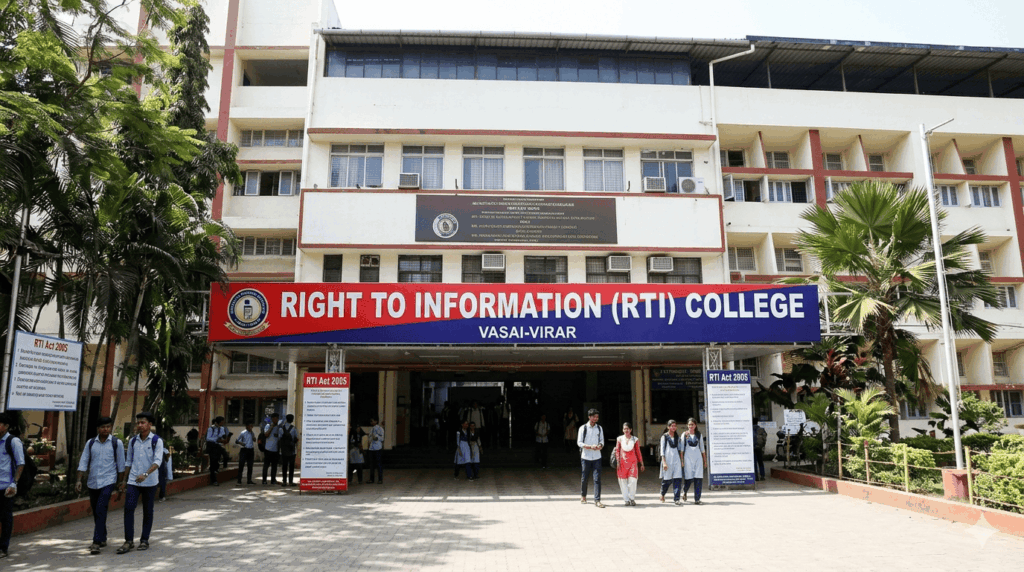
RTI applications to IITs typically cover a wide range of areas, including:
1. Admission Processes
Applicants often seek details about entrance examinations, cut-off marks, reservation policies, and evaluation criteria.
2. Faculty Recruitment and Promotions
Information regarding selection procedures, qualifications, and transparency in hiring is frequently requested.
3. Financial Expenditure
As public institutions, IITs are required to disclose how government funds are utilized, including budgets, contracts, and expenditures.
4. Academic Evaluation
Students sometimes file RTI applications to obtain copies of answer sheets or understand grading systems.
5. Administrative Decisions
This includes minutes of meetings, policy decisions, and internal communications.
Benefits of RTI in IITs
1. Enhanced Transparency
RTI has compelled IITs to maintain better records and ensure transparency in their functioning. Decisions that were once opaque are now subject to public scrutiny.
2. Accountability
Administrators and faculty are more accountable for their actions, as their decisions can be questioned through RTI applications.
3. Empowerment of Students
Students can challenge unfair practices, seek clarity in evaluation, and ensure their rights are protected.
4. Reduction in Corruption
The possibility of scrutiny discourages corrupt practices and promotes ethical behavior.
5. Improved Governance
RTI encourages better administrative practices, documentation, and decision-making processes.
Challenges Faced by IITs under RTI
Despite its benefits, the implementation of RTI in IITs has not been without challenges.
1. Administrative Burden
Handling numerous RTI applications can be time-consuming and resource-intensive. Staff members often struggle to manage these requests alongside their regular duties.
2. Misuse of RTI
Some applications are frivolous or repetitive, leading to unnecessary workload. In certain cases, RTI is used as a tool for harassment.
3. Confidentiality Concerns
Academic institutions deal with sensitive information, including research data, intellectual property, and personal records. Balancing transparency with confidentiality is a major challenge.
4. Impact on Autonomy
Excessive interference through RTI requests may undermine the autonomy of IITs, especially in academic and administrative matters.
5. Delays and Backlogs
Due to the volume of applications, delays in responses are common, leading to dissatisfaction among applicants.
Legal Exemptions under RTI
The RTI Act provides certain exemptions under Section 8, which are particularly relevant for IITs:
- Information affecting national security.
- Trade secrets and intellectual property.
- Personal information without public interest.
- Information that would impede investigation.
IITs often invoke these exemptions to protect sensitive information, especially in research and collaborations.
Case Studies and Examples
1. Access to Answer Sheets
One of the most significant impacts of RTI in IITs has been the ability of students to access their evaluated answer sheets. This has increased transparency in the evaluation process and reduced disputes.
2. Recruitment Transparency
RTI has exposed irregularities in recruitment processes in some cases, leading to corrective measures.
3. Financial Accountability
Requests for financial data have revealed inefficiencies and prompted better financial management.
RTI vs Academic Freedom
A key debate surrounding RTI in IITs is its impact on academic freedom. Critics argue that excessive transparency may hinder free thought, research innovation, and candid discussions within academic bodies.
However, proponents believe that transparency does not necessarily conflict with academic freedom. Instead, it ensures that decisions are made responsibly and ethically.
Digitalization and Proactive Disclosure
To reduce the burden of RTI applications, IITs are increasingly adopting digital platforms for proactive disclosure. Section 4 of the RTI Act mandates that public authorities publish certain information suo motu.
Examples include:
- Publishing annual reports.
- Uploading financial statements.
- Providing admission details online.
- Sharing faculty profiles and research output.
This approach not only enhances transparency but also reduces the number of RTI applications.
Role of Information Commissions
The Central Information Commission (CIC) plays a crucial role in resolving disputes related to RTI applications. Applicants who are dissatisfied with responses from IITs can file appeals.
The CIC has, in several cases, directed IITs to disclose information, reinforcing the importance of transparency.
Ethical Considerations
The implementation of RTI in IITs raises ethical questions:
- Should all information be made public?
- How to balance individual privacy with public interest?
- What constitutes misuse of RTI?
These questions require careful consideration and a nuanced approach.
Suggestions for Improvement

To enhance the effectiveness of RTI in IITs, the following measures can be adopted:
1. Strengthening Record Management
Proper documentation and digital record-keeping can streamline the RTI process.
2. Training Staff
Regular training programs for PIOs and staff can improve efficiency and compliance.
3. Promoting Proactive Disclosure
Increasing the scope of information available online can reduce RTI applications.
4. Filtering Frivolous Requests
Mechanisms can be developed to identify and address misuse without undermining genuine requests.
5. Balancing Transparency and Autonomy
Clear guidelines should be established to protect academic freedom while ensuring accountability.
Global Perspective
The concept of RTI is not unique to India. Many countries have similar laws, such as:
- Freedom of Information Act (USA)
- Freedom of Information Act (UK)
Globally, educational institutions are increasingly subject to transparency laws, reflecting the universal importance of accountability.
Future of RTI in Higher Education
As technology advances, the future of RTI in institutions like IITs will likely involve:
- Greater digital integration.
- Automated information systems.
- Enhanced data transparency.
- Improved citizen engagement.
The challenge will be to harness these advancements while safeguarding institutional integrity.
Conclusion
The Right to Information has transformed the functioning of public institutions in India, including the IITs. By promoting transparency and accountability, RTI has strengthened democratic governance and empowered citizens. Its impact extends beyond merely providing access to information; it has fundamentally altered the relationship between institutions and the public by fostering a culture of openness and responsibility.
In the context of the International Institute of Technology (IIT), the RTI Act has played a crucial role in ensuring that these prestigious institutions remain answerable to the public. As publicly funded bodies, IITs are expected to maintain high standards not only in academics and research but also in governance and administration. RTI has enabled students, parents, faculty members, and citizens to seek clarity on various aspects such as admissions, recruitment processes, financial management, and institutional policies. This has reduced the scope for arbitrary decision-making and has enhanced trust in these institutions.
At the same time, the implementation of RTI within IITs has highlighted the need for a careful balance between transparency and academic autonomy. While openness is essential for accountability, excessive interference in academic and research matters can hinder innovation and intellectual freedom. IITs thrive on their ability to operate independently, make merit-based decisions, and pursue cutting-edge research without undue external pressure. Therefore, it is important that RTI is used responsibly, without undermining the core academic functions of these institutions.
Another important aspect is the role of RTI in promoting ethical governance. The possibility of information being disclosed under RTI acts as a deterrent against corruption, favoritism, and malpractice. Officials are more likely to adhere to established procedures and maintain proper documentation, knowing that their actions can be scrutinized. This has led to improved administrative practices and greater institutional integrity within IITs.
However, the challenges associated with RTI cannot be overlooked. The increasing number of applications, including repetitive or frivolous requests, places a significant burden on administrative resources. IITs must allocate time and manpower to process these requests, which can sometimes divert attention from their primary focus on education and research. Additionally, the need to protect sensitive information, such as intellectual property, research data, and personal records, requires careful interpretation of the exemptions provided under the RTI Act. Ensuring that transparency does not come at the cost of confidentiality remains a key concern.
To address these challenges, there is a need for better awareness and understanding of the RTI framework among both applicants and institutional authorities. Citizens should be encouraged to use RTI judiciously, focusing on issues of genuine public interest rather than personal grievances or unnecessary inquiries. On the other hand, IITs should strengthen their proactive disclosure mechanisms by regularly publishing relevant information on their websites. This would reduce the need for individual RTI applications and improve overall efficiency.
Furthermore, training and capacity-building of Public Information Officers within IITs can enhance the effectiveness of RTI implementation. Clear guidelines and standardized procedures can help in handling requests more efficiently and in making consistent decisions regarding the disclosure of information. The role of information commissions and the judiciary also remains vital in resolving disputes and providing clarity on complex issues related to transparency and confidentiality.
In conclusion, the Right to Information Act has had a profound and lasting impact on IITs by reinforcing the principles of transparency, accountability, and participatory governance. While it presents certain challenges, these can be managed through thoughtful implementation and responsible usage. The key lies in striking a balance that preserves the autonomy and excellence of IITs while ensuring that they remain accountable to the society they serve. Ultimately, RTI should be seen not as a constraint but as an opportunity to build more transparent, efficient, and trustworthy institutions, contributing to the broader goal of strengthening democracy in India.
Table of Contents