Vendors and Tenders
International Institute of Technology (IIT)
The International Institute of Technology (IIT) stands as a symbol of academic excellence, innovation, and global collaboration. To sustain its world-class infrastructure, cutting-edge research, and high-quality educational services, IIT relies on a robust and transparent system of vendors and tenders. This system ensures that the institute procures goods, services, and works efficiently while maintaining fairness, accountability, and value for money.
The Vendors and Tenders framework at IIT is not merely an administrative process—it is a strategic function that supports institutional growth, infrastructure development, technological advancement, and operational efficiency. Through well-defined policies, digital platforms, and ethical practices, IIT fosters long-term partnerships with reliable vendors and ensures seamless execution of projects.
At the core of IIT’s procurement system is the principle of transparency. Every tender issued by the institute follows a structured and open process, allowing qualified vendors to participate without bias. Detailed tender documents outline the scope of work, technical requirements, eligibility criteria, and evaluation methods, ensuring that all participants have a clear understanding of expectations. This openness not only promotes fair competition but also enhances trust among vendors and stakeholders.
Efficiency is another key aspect of the Vendors and Tenders system at IIT. With the integration of digital technologies, the institute has embraced e-tendering processes that simplify and accelerate procurement activities. Vendors can easily access tender notices, submit bids online, and track the progress of their applications in real time. This digital transformation reduces paperwork, minimizes errors, and significantly shortens the procurement cycle, enabling faster decision-making and project execution.
Quality assurance is a fundamental objective of IIT’s tendering framework. By inviting bids from multiple vendors, the institute can evaluate different proposals based on technical expertise, past experience, financial stability, and innovation. This comprehensive evaluation process ensures that only the most capable and reliable vendors are selected. As a result, IIT maintains high standards across its infrastructure, academic resources, and support services.
The vendor ecosystem at IIT is diverse and dynamic, encompassing a wide range of industries and specialties. From construction firms and IT solution providers to laboratory equipment suppliers and facility management companies, each vendor plays a vital role in supporting the institute’s operations. These partnerships go beyond simple transactions; they are collaborative relationships that contribute to the continuous improvement and modernization of the campus.
Ethical practices and compliance are deeply embedded in IIT’s procurement processes. The institute adheres to strict guidelines to prevent corruption, ensure confidentiality, and uphold integrity at every stage of the tendering process. Vendors are expected to comply with all legal and regulatory requirements, as well as the institute’s code of conduct. This commitment to ethics strengthens the credibility of IIT and reinforces its reputation as a responsible and trustworthy institution.
Another significant aspect of IIT’s Vendors and Tenders framework is its focus on long-term value creation. Rather than prioritizing short-term cost savings, the institute emphasizes sustainable and strategic procurement decisions. This includes selecting vendors who offer durable, energy-efficient, and environmentally friendly solutions. By integrating sustainability into its procurement practices, IIT contributes to environmental conservation while also reducing operational costs over time.
Risk management is also an integral part of the system. IIT carefully assesses potential risks associated with vendor selection, project execution, and supply chain disruptions. By implementing robust monitoring and evaluation mechanisms, the institute ensures that projects are completed on time and meet the desired quality standards. Regular performance reviews help identify areas for improvement and strengthen vendor relationships.
Furthermore, IIT actively encourages innovation through its vendor partnerships. By collaborating with forward-thinking companies, the institute gains access to the latest technologies and industry best practices. This not only enhances the quality of services and infrastructure but also supports IIT’s mission of fostering innovation and research excellence.
Introduction to Vendors and Tenders
In any large and dynamic institution like the International Institute of Technology (IIT), a wide range of goods and services is required on a continuous basis to ensure smooth functioning and sustained growth. These requirements span across multiple domains, including construction services for infrastructure development, procurement of laboratory equipment for academic and research purposes, IT infrastructure for digital operations, maintenance services for campus facilities, as well as consulting and training support. Managing such diverse needs efficiently requires a well-structured and transparent procurement system, which is achieved through a formal tender-based approach.
A vendor, in this context, refers to an individual, company, or organization that supplies goods or services to the institute. Vendors play a critical role in supporting IIT’s operations by providing the necessary resources and expertise required for various activities. A tender, on the other hand, is a formal invitation issued by IIT that requests vendors to submit proposals or bids for fulfilling specific requirements. This structured invitation outlines the scope of work, technical specifications, eligibility criteria, timelines, and evaluation parameters, ensuring clarity and consistency in the procurement process.
The tendering system is designed to bring discipline, fairness, and accountability into procurement activities. Instead of relying on informal or ad hoc purchasing decisions, IIT adopts a systematic approach where multiple vendors are given an equal opportunity to participate. This not only enhances competition but also ensures that the institute receives the best possible value in terms of quality, cost, and service.
One of the most important advantages of the tendering process is the promotion of fair competition among suppliers. By inviting bids from multiple vendors, IIT creates a level playing field where each participant has the opportunity to showcase their capabilities. This competitive environment encourages vendors to offer their best prices and highest quality solutions, ultimately benefiting the institute. It also prevents favoritism and ensures that procurement decisions are made based on merit and objective criteria.
Transparency in procurement is another key feature of the tendering system. All relevant information, including tender notices, specifications, and evaluation criteria, is clearly communicated to vendors. This openness helps build trust and confidence among stakeholders, as the entire process is conducted in a visible and accountable manner. Vendors are aware of the rules and procedures, and decisions are documented to maintain integrity and traceability.
Cost-effectiveness is a significant outcome of a well-managed tendering process. By comparing multiple bids, IIT can identify the most economically viable option without compromising on quality. This ensures optimal utilization of financial resources, which is particularly important for an institution that must balance academic excellence with budgetary constraints. Competitive pricing, combined with careful evaluation, enables IIT to achieve maximum value for its investments.
Quality assurance is deeply embedded in the tendering framework. The evaluation process does not focus solely on cost but also considers factors such as technical expertise, past performance, reliability, and compliance with specifications. This comprehensive assessment ensures that only qualified and capable vendors are selected. As a result, the institute maintains high standards in all its projects, whether it involves constructing new facilities, upgrading technology, or delivering essential services.
Compliance with regulations is another critical aspect of the tendering process. IIT adheres to established legal and institutional guidelines to ensure that procurement activities are conducted responsibly and ethically. Vendors are required to meet specific eligibility criteria and provide necessary documentation to demonstrate their compliance with regulatory requirements. This not only safeguards the institute from potential risks but also reinforces its commitment to good governance.
In addition to these benefits, the tendering process also fosters professionalism and accountability among vendors. Since vendors are evaluated based on predefined criteria, they are encouraged to maintain high standards of performance and continuously improve their offerings. This creates a mutually beneficial relationship where both IIT and its vendors work towards achieving excellence.
Furthermore, with the adoption of digital technologies, many institutions like IIT are transitioning towards e-tendering systems. These platforms streamline the entire process by enabling online publication of tenders, electronic submission of bids, and automated evaluation mechanisms. This not only enhances efficiency but also reduces paperwork and administrative overhead.
Importance of Vendors and Tenders in IIT

The Vendors and Tenders system plays a crucial role in maintaining the operational and strategic efficiency of IIT. Its importance can be understood through the following aspects:
1. Ensuring Quality Standards
By inviting bids from multiple vendors, IIT can compare quality, pricing, and service offerings. This ensures that only the best vendors are selected, maintaining high standards across all departments.
2. Promoting Transparency
The tendering process is conducted openly, with clear guidelines and evaluation criteria. This eliminates bias and builds trust among stakeholders.
3. Cost Optimization
Competitive bidding helps IIT secure the best value for money, ensuring optimal utilization of financial resources.
4. Supporting Infrastructure Development
From constructing academic buildings to installing advanced laboratories, vendors play a vital role in IIT’s infrastructure expansion.
5. Encouraging Innovation
By collaborating with diverse vendors, IIT gains access to innovative technologies, modern solutions, and industry expertise.
Types of Vendors at IIT
IIT works with a wide range of vendors across different domains. These vendors are categorized based on the nature of services they provide:
1. Infrastructure Vendors
These vendors handle construction, renovation, and civil engineering projects such as classrooms, hostels, auditoriums, and research centers.
2. IT and Technology Vendors
They supply hardware, software, networking solutions, and digital platforms essential for academic and administrative operations.
3. Laboratory Equipment Suppliers
These vendors provide scientific instruments, research tools, and testing equipment required for various academic departments.
4. Maintenance and Facility Management Vendors
They ensure smooth functioning of campus facilities, including electrical systems, water supply, sanitation, and security services.
5. Consultancy and Professional Service Providers
These vendors offer expertise in areas like project management, legal services, training, auditing, and quality assurance.
6. Educational and Training Vendors
They support IIT’s learning ecosystem by providing training materials, certifications, workshops, and skill development programs.
Tendering Process at IIT
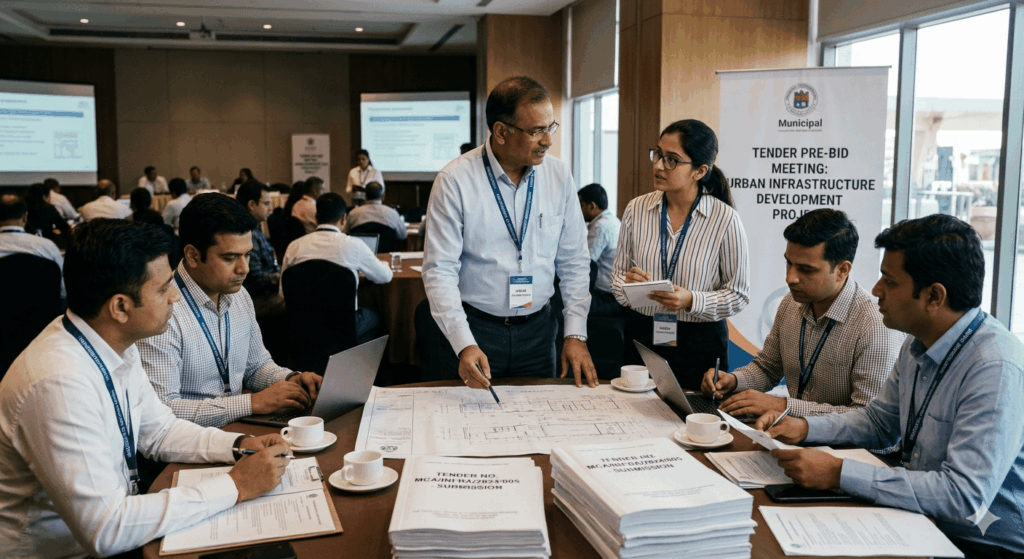
The tendering process at IIT is systematic and follows a structured approach to ensure fairness and efficiency. The key stages include:
1. Requirement Identification
The process begins with identifying the need for goods or services. Departments submit detailed requirements specifying scope, specifications, and expected outcomes.
2. Preparation of Tender Documents
IIT prepares comprehensive tender documents that include:
- Scope of work
- Technical specifications
- Eligibility criteria
- Terms and conditions
- Evaluation methodology
- Submission guidelines
3. Tender Publication
Tenders are published on official platforms, websites, and procurement portals. This ensures wide visibility and participation from eligible vendors.
4. Bid Submission
Interested vendors submit their bids within the specified deadline. Bids typically include:
- Technical proposal
- Financial quotation
- Company profile
- Past experience
- Compliance documents
5. Evaluation of Bids
A dedicated committee evaluates the bids based on predefined criteria such as:
- Technical capability
- Experience and track record
- Financial competitiveness
- Compliance with specifications
6. Award of Contract
The vendor with the most suitable proposal is selected, and a contract is awarded. The decision is documented to ensure transparency.
7. Execution and Monitoring
The selected vendor executes the project or supplies goods as per the agreement. IIT monitors progress to ensure quality and timely completion.
Types of Tenders at IIT
IIT uses different types of tenders based on the nature and urgency of requirements:
1. Open Tenders
These are publicly advertised and allow all eligible vendors to participate. They ensure maximum competition and transparency.
2. Limited Tenders
These are issued to a selected group of vendors who meet specific criteria. They are used for specialized requirements.
3. Single Tender
In certain cases, IIT may procure from a single vendor due to unique expertise, proprietary technology, or emergency needs.
4. E-Tenders
With digital transformation, IIT increasingly uses electronic tendering systems. E-tenders simplify the process, reduce paperwork, and enhance efficiency.
Vendor Registration at IIT
To participate in tenders, vendors must register with IIT. The vendor registration process includes:
- Submission of company details
- Financial statements
- Legal certifications
- Past project experience
- Technical capabilities
Registered vendors are added to IIT’s database and are notified about relevant tender opportunities.
Eligibility Criteria for Vendors
IIT defines clear eligibility criteria to ensure only competent vendors participate in tenders. These criteria may include:
- Minimum years of experience
- Financial stability
- Technical expertise
- Compliance with legal and regulatory requirements
- Proven track record in similar projects
Digital Transformation in Tendering
IIT has embraced digital transformation to modernize its tendering process. The shift to e-tendering offers several advantages:
1. Online Accessibility
Vendors can access tender documents, submit bids, and track status online.
2. Reduced Paperwork
Digital processes eliminate the need for physical documentation, making the system eco-friendly.
3. Faster Processing
Automation speeds up bid evaluation and decision-making.
4. Enhanced Transparency
Digital records ensure accountability and reduce the risk of manipulation.
5. Real-Time Updates
Vendors receive instant notifications about tender announcements, deadlines, and results.
Ethical Practices and Compliance
Ethics and integrity are at the core of IIT’s vendor and tender system. The institute follows strict guidelines to ensure:
- Fair competition
- Non-discrimination
- Confidentiality of bids
- Prevention of corruption
- Adherence to legal standards
All stakeholders are expected to comply with ethical practices, ensuring a trustworthy procurement environment.
Challenges in Vendor and Tender Management
Despite its structured approach, IIT faces certain challenges in managing vendors and tenders:
1. Managing Large Vendor Base
Handling multiple vendors across different domains requires efficient coordination and communication.
2. Ensuring Timely Delivery
Delays in project execution can impact academic and operational activities.
3. Maintaining Quality Standards
Continuous monitoring is required to ensure vendors meet quality expectations.
4. Adapting to Technological Changes
Vendors must keep up with evolving technologies to meet IIT’s advanced requirements.
5. Risk Management
Identifying and mitigating risks associated with procurement is essential for smooth operations.
Strategies for Effective Vendor Management
To overcome these challenges, IIT adopts several strategies:
1. Vendor Performance Evaluation
Regular assessment of vendor performance helps maintain quality and reliability.
2. Strong Communication Channels
Clear communication ensures alignment between IIT and vendors.
3. Long-Term Partnerships
Building long-term relationships with reliable vendors enhances efficiency and trust.
4. Training and Development
IIT may conduct workshops to help vendors understand requirements and improve capabilities.
5. Use of Technology
Advanced software and ERP systems streamline procurement and vendor management.
Role of Vendors in IIT’s Growth
Vendors are not just suppliers—they are strategic partners in IIT’s journey toward excellence. Their contributions include:
- Supporting infrastructure expansion
- Enabling technological advancements
- Enhancing research capabilities
- Improving campus facilities
- Contributing to sustainability initiatives
By collaborating with skilled vendors, IIT ensures continuous improvement and innovation.
Sustainability in Procurement
IIT is committed to sustainable practices in its procurement processes. This includes:
- Encouraging eco-friendly products
- Promoting energy-efficient solutions
- Reducing waste through digital processes
- Partnering with socially responsible vendors
Sustainable procurement aligns with IIT’s vision of responsible growth and environmental stewardship.
Future of Vendors and Tenders at IIT
The future of vendor and tender management at IIT is driven by innovation, digitalization, and global collaboration. Key trends include:
1. Advanced E-Procurement Systems
Integration of AI and data analytics for smarter decision-making.
2. Global Vendor Participation
Expanding opportunities for international vendors to collaborate with IIT.
3. Automation and AI
Automating bid evaluation and vendor selection processes.
4. Blockchain for Transparency
Using blockchain technology to enhance security and transparency in procurement.
5. Sustainable Procurement Models
Increasing focus on green and ethical sourcing practices.
Conclusion
The Vendors and Tenders system at the International Institute of Technology (IIT) stands as a cornerstone of its operational excellence and long-term strategic growth. In an institution where precision, quality, and innovation are essential, having a structured and transparent procurement framework is not optional—it is fundamental. By ensuring transparency, fairness, and efficiency at every stage of procurement, IIT has successfully built a reliable ecosystem that benefits not only the institute but also its vendors, stakeholders, and the broader academic community.
At the heart of this system lies a commitment to integrity and accountability. Every tender is designed and executed with clearly defined guidelines, allowing equal opportunities for qualified vendors to participate. This approach eliminates ambiguity, reduces the risk of bias, and promotes a culture of trust and professionalism. Vendors can engage confidently with the institute, knowing that their proposals will be evaluated based on objective criteria such as technical capability, experience, and cost-effectiveness.
The structured tendering process enables IIT to manage its diverse and evolving requirements with efficiency. Whether it involves constructing advanced infrastructure, procuring high-end laboratory equipment, upgrading IT systems, or ensuring seamless campus maintenance, the institute is equipped to handle it all through a systematic procurement approach. This not only ensures timely execution of projects but also guarantees that quality standards are consistently met across all operations.
Equally important is the role of technology in enhancing the Vendors and Tenders system. With the adoption of digital and e-tendering platforms, IIT has modernized its procurement practices, making them faster, more accessible, and environmentally sustainable. These digital tools streamline communication, reduce paperwork, and enable real-time tracking of tender activities. As a result, both the institute and its vendors benefit from increased efficiency and improved coordination.
Strong vendor relationships further strengthen this ecosystem. IIT does not view vendors merely as service providers but as strategic partners who contribute to its growth and success. By fostering long-term collaborations, the institute ensures continuity, reliability, and mutual development. Vendors, in turn, bring innovation, expertise, and industry best practices that enhance the overall quality of services and infrastructure within the campus.
Moreover, the emphasis on quality and compliance ensures that every procurement decision aligns with the institute’s standards and values. Rigorous evaluation processes, regular performance monitoring, and adherence to legal and ethical guidelines help maintain a high level of accountability. This disciplined approach minimizes risks and ensures that resources are utilized effectively, supporting the institute’s broader goals.
Sustainability is another key dimension of IIT’s procurement strategy. By prioritizing eco-friendly solutions, energy-efficient technologies, and responsible sourcing, the institute contributes to environmental conservation while optimizing long-term costs. This forward-thinking approach reflects IIT’s commitment to building not just a technologically advanced campus, but also a sustainable and socially responsible one.
Table of Contents