Insight
International Institute Of Technology (IIT)
Introduction
The International Institute Of Technology (IIT) stands as a symbol of academic excellence, technological advancement, innovation, and future-ready education. In a rapidly evolving world driven by digital transformation, globalization, and scientific breakthroughs, institutions like IIT play a critical role in shaping future leaders, researchers, engineers, entrepreneurs, and professionals.
Insight into the International Institute Of Technology (IIT) goes beyond classrooms and examinations. It reflects the institute’s commitment to knowledge creation, student empowerment, industry collaboration, social responsibility, and technological innovation. IIT is designed to create an educational ecosystem where students gain practical skills, analytical thinking abilities, leadership qualities, and global exposure.
The modern educational landscape demands institutions that not only teach theoretical concepts but also prepare students for real-world challenges. IIT fulfills this responsibility by integrating academics with practical learning, research opportunities, industrial exposure, and innovation-driven initiatives.
The institute focuses on creating a learning environment that nurtures creativity, collaboration, discipline, and professional ethics. Students are encouraged to think critically, solve problems effectively, and contribute positively to society.
The journey of IIT represents the transformation of education from traditional learning models to advanced, technology-driven, student-centric education systems. Through its programs, infrastructure, faculty, research initiatives, and digital transformation efforts, IIT has positioned itself as a progressive educational institution dedicated to excellence.
This detailed insight into the International Institute Of Technology explores its vision, academic structure, innovation ecosystem, technological integration, student development initiatives, research culture, global outlook, and future aspirations.
Vision and Mission of IIT
Vision
The vision of the International Institute Of Technology (IIT) is to become a globally recognized center of excellence in education, research, innovation, and professional development. The institute aims to empower students with knowledge, technical expertise, and leadership skills that enable them to contribute effectively to industries, communities, and the global economy.
IIT envisions creating an educational ecosystem where innovation, creativity, and continuous learning become the foundation of academic and professional success.
Mission
The mission of IIT includes:
- Providing high-quality education across multiple disciplines
- Promoting research, innovation, and technological advancement
- Developing industry-ready professionals
- Encouraging ethical values and social responsibility
- Supporting entrepreneurship and innovation
- Building strong industry-academic partnerships
- Enhancing global collaboration and international exposure
- Creating future leaders through holistic development
The mission reflects IIT’s dedication to preparing students for future opportunities while contributing to societal progress and sustainable development.
Academic Excellence at IIT
Academic excellence forms the backbone of the International Institute Of Technology. IIT offers structured educational programs designed to meet global academic and industrial standards.
Student-Centric Education
The institute emphasizes student-centered learning methodologies that focus on:
- Interactive learning
- Practical application of knowledge
- Research-oriented education
- Skill development
- Project-based learning
- Collaborative activities
- Innovation-driven assignments
Students are encouraged to actively participate in academic discussions, technical projects, workshops, and industrial training programs.
Curriculum Design
The curriculum at IIT is carefully designed to:
- Match current industry trends
- Incorporate emerging technologies
- Promote interdisciplinary learning
- Develop analytical and problem-solving abilities
- Encourage innovation and creativity
The institute regularly updates its curriculum to ensure students receive relevant and future-oriented education.
Faculty Excellence
A strong faculty team is essential for academic success. IIT focuses on recruiting experienced educators, researchers, and industry professionals who bring practical knowledge and academic expertise into classrooms.
Faculty members contribute through:
- Classroom teaching
- Research guidance
- Industry projects
- Student mentoring
- Innovation initiatives
- Academic publications
The faculty’s commitment to quality education enhances the learning experience and helps students achieve academic and professional goals.
Technological Advancement and Digital Transformation
The International Institute Of Technology recognizes the importance of technology in modern education. Digital transformation has become a major focus area for improving educational accessibility, efficiency, and innovation.
Smart Learning Environment
IIT promotes smart learning through:
- Digital classrooms
- Online learning platforms
- Virtual laboratories
- Interactive educational tools
- Cloud-based learning systems
- E-learning resources
- Video lectures and webinars
Technology integration enhances student engagement and creates flexible learning opportunities.
Digital Infrastructure
The institute invests in advanced digital infrastructure to support:
- High-speed internet connectivity
- Cloud computing systems
- Data management platforms
- Learning management systems (LMS)
- ERP-based administration
- Digital libraries
- Online examination systems
Digital infrastructure improves operational efficiency and creates a seamless educational experience.
Online Education and Hybrid Learning
The rise of digital education has transformed the way students learn. IIT supports:
- Online classes
- Hybrid learning models
- Remote education
- Virtual collaboration
- Digital assessments
- Mobile learning applications
These initiatives ensure uninterrupted learning and increased accessibility for students from different geographical locations.
Research and Innovation Ecosystem
Research and innovation are central pillars of the International Institute Of Technology. The institute encourages students and faculty to participate in research activities that contribute to technological advancement and societal development.
Importance of Research
Research activities at IIT focus on:
- Solving real-world problems
- Developing innovative technologies
- Encouraging scientific exploration
- Supporting industrial advancement
- Promoting interdisciplinary collaboration
Research culture enhances critical thinking, creativity, and intellectual growth.
Innovation Centers
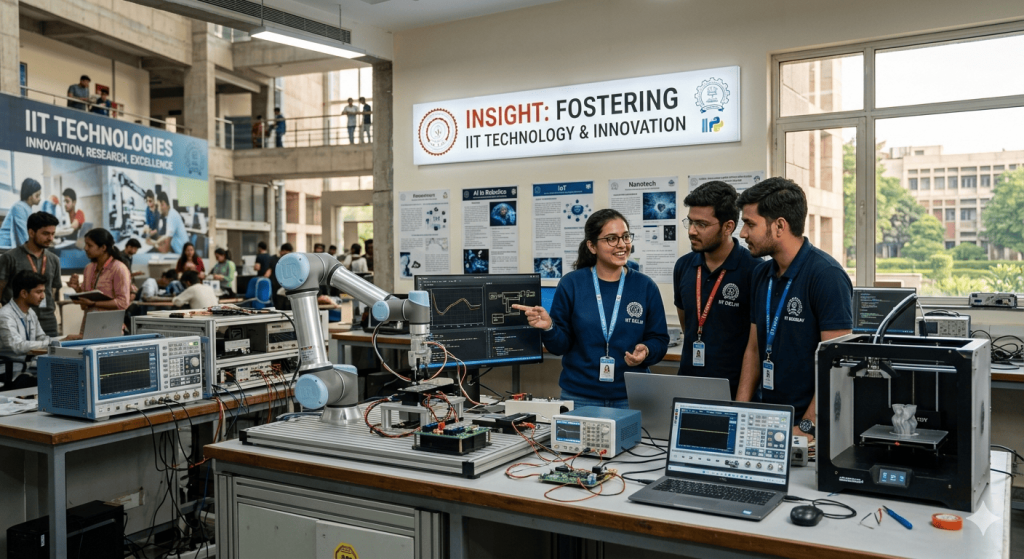
Innovation centers and research laboratories provide students with opportunities to:
- Work on live projects
- Conduct experiments
- Develop prototypes
- Explore emerging technologies
- Collaborate with industries
- Participate in innovation competitions
Innovation centers create an environment where ideas can transform into practical solutions.
Emerging Technologies
The institute promotes learning and research in emerging areas such as:
- Artificial Intelligence
- Machine Learning
- Data Science
- Cybersecurity
- Robotics
- Internet of Things (IoT)
- Blockchain Technology
- Renewable Energy
- Cloud Computing
- Automation
Exposure to advanced technologies prepares students for future industries and evolving career opportunities.
Industry Collaboration and Corporate Partnerships

Strong industry collaboration helps bridge the gap between academic learning and practical application. IIT actively develops partnerships with industries, corporations, and technology organizations.
Benefits of Industry Collaboration
Industry collaboration provides:
- Internship opportunities
- Industrial visits
- Practical training
- Live projects
- Industry mentorship
- Placement opportunities
- Knowledge exchange
These experiences help students understand industry expectations and workplace environments.
Corporate Training Programs
IIT supports corporate training initiatives that focus on:
- Skill enhancement
- Technical certifications
- Leadership development
- Digital transformation training
- Professional competency building
Corporate engagement strengthens the institute’s industry relevance.
Placement and Career Development
The institute focuses on career-oriented education and student employability.
Career development initiatives include:
- Placement training
- Resume building workshops
- Mock interviews
- Communication skills training
- Aptitude development
- Personality enhancement programs
These activities improve student confidence and career readiness.
Student Development and Holistic Growth
Education at IIT extends beyond academics. The institute believes in holistic development that nurtures intellectual, emotional, social, and professional growth.
Leadership Development
Leadership development programs encourage students to:
- Take initiative
- Manage teams
- Improve decision-making
- Build confidence
- Enhance communication skills
Leadership qualities prepare students for managerial and entrepreneurial roles.
Cultural Activities
Cultural programs create a vibrant campus environment and encourage creativity.
Activities include:
- Cultural festivals
- Music competitions
- Dance performances
- Art exhibitions
- Literary events
- Talent showcases
Participation in cultural activities supports personal development and teamwork.
Sports and Physical Wellness
Physical fitness is essential for maintaining a healthy and balanced lifestyle. IIT promotes sports and wellness through:
- Indoor sports
- Outdoor games
- Fitness activities
- Yoga sessions
- Wellness programs
- Athletic competitions
Sports activities enhance discipline, teamwork, and mental strength.
Student Clubs and Societies
Student clubs encourage active participation and experiential learning.
Popular club activities include:
- Technical clubs
- Robotics clubs
- Entrepreneurship cells
- Innovation forums
- Debate societies
- Photography clubs
- Environmental initiatives
Clubs provide students with opportunities to explore interests and build practical skills.
Entrepreneurship and Startup Culture
The International Institute Of Technology strongly supports entrepreneurship and innovation-driven business development.
Entrepreneurial Mindset
Students are encouraged to think creatively and develop problem-solving approaches that can lead to startup creation and business innovation.
Entrepreneurship education helps students:
- Identify opportunities
- Develop business ideas
- Understand market trends
- Learn financial planning
- Improve strategic thinking
Incubation Support
Startup incubation support may include:
- Mentorship programs
- Business guidance
- Networking opportunities
- Innovation labs
- Funding assistance
- Industry collaboration
Incubation initiatives help transform innovative ideas into sustainable businesses.
Innovation Challenges and Competitions
Innovation competitions motivate students to:
- Develop prototypes
- Present business ideas
- Solve industry problems
- Build technical solutions
Such events strengthen creativity, teamwork, and entrepreneurial confidence.
Global Perspective and International Exposure
Globalization has transformed education into an international experience. IIT recognizes the importance of global exposure in preparing students for international careers.
International Collaborations
The institute may collaborate with international universities and organizations for:
- Academic exchange programs
- Joint research initiatives
- Global seminars
- International conferences
- Faculty exchange programs
International collaboration broadens educational perspectives and encourages cross-cultural learning.
Global Learning Opportunities
Students gain exposure through:
- International workshops
- Online global courses
- Collaborative research projects
- International competitions
- Cross-border innovation programs
Global learning prepares students to work in multicultural and international environments.
Importance of Global Skills
Modern professionals require global competencies such as:
- Communication skills
- Adaptability
- Cross-cultural understanding
- Technological proficiency
- Leadership abilities
IIT integrates these skills into its educational approach.
Infrastructure and Learning Facilities
An institution’s infrastructure plays a significant role in delivering quality education. IIT focuses on creating modern facilities that support learning, innovation, and student development.
Smart Classrooms
Smart classrooms improve learning experiences through:
- Multimedia presentations
- Interactive teaching tools
- Digital content delivery
- Real-time collaboration
Technology-enabled classrooms increase student engagement and understanding.
Laboratories and Research Facilities
Laboratories provide practical exposure in various technical and scientific disciplines.
Well-equipped labs support:
- Experimental learning
- Research activities
- Prototype development
- Technical training
Hands-on experience strengthens theoretical understanding.
Digital Library
The digital library offers access to:
- E-books
- Journals
- Research papers
- Online databases
- Educational resources
Digital learning resources enhance academic research and knowledge accessibility.
Campus Environment
A positive campus environment contributes to student productivity and well-being.
Campus facilities may include:
- Cafeterias
- Seminar halls
- Innovation spaces
- Wi-Fi-enabled zones
- Recreational areas
- Student support centers
A well-designed campus promotes collaboration, creativity, and comfort.
Quality Education and Accreditation
Quality assurance is essential for maintaining academic standards and institutional credibility.
Importance of Quality Education
Quality education ensures:
- Effective learning outcomes
- Industry relevance
- Skill development
- Academic integrity
- Professional competence
IIT focuses on continuous improvement in teaching, curriculum, and student services.
Academic Standards
Maintaining high academic standards involves:
- Regular curriculum reviews
- Faculty development programs
- Student feedback systems
- Academic audits
- Performance evaluations
These practices help ensure educational excellence.
Continuous Improvement
Continuous improvement initiatives focus on:
- Innovation in teaching methodologies
- Upgrading technological infrastructure
- Enhancing student engagement
- Strengthening industry collaboration
Improvement-oriented strategies help IIT remain future-ready.
Role of IIT in Society
Educational institutions play an important role in social development and community progress.
Social Responsibility
IIT promotes social responsibility by encouraging students and faculty to contribute to community welfare initiatives.
Social initiatives may include:
- Environmental awareness campaigns
- Community education programs
- Health awareness activities
- Rural development initiatives
- Sustainability projects
Social engagement helps students develop empathy and civic responsibility.
Environmental Sustainability
Environmental sustainability is becoming increasingly important in education and industry.
Sustainability initiatives may focus on:
- Green campus practices
- Renewable energy awareness
- Waste management
- Water conservation
- Environmental research
Sustainable practices contribute to long-term environmental protection.
Ethical Education
Ethics and integrity are essential components of professional success.
IIT promotes:
- Professional ethics
- Responsible leadership
- Transparency
- Accountability
- Respect for diversity
Ethical education helps students become responsible professionals and citizens.
Future Technologies and Innovation Trends
The future of education and industry is closely linked to technological innovation.
Artificial Intelligence and Automation
Artificial Intelligence (AI) and automation are transforming industries worldwide.
IIT encourages learning in areas such as:
- Intelligent systems
- Machine learning algorithms
- Robotics automation
- Predictive analytics
- Smart applications
Understanding these technologies helps students prepare for future job markets.
Data Science and Analytics
Data-driven decision-making has become critical across industries.
Data science education includes:
- Data visualization
- Statistical analysis
- Business intelligence
- Big data technologies
- Predictive modeling
These skills support career opportunities in technology and business sectors.
Cybersecurity Awareness
As digital systems expand, cybersecurity becomes increasingly important.
Cybersecurity education focuses on:
- Data protection
- Network security
- Ethical hacking
- Digital privacy
- Risk management
Students gain awareness of digital security challenges and solutions.
Renewable Energy and Sustainability
Renewable energy technologies are essential for sustainable development.
IIT encourages research and awareness in:
- Solar energy
- Wind energy
- Sustainable engineering
- Energy conservation
- Green technology
Sustainability education supports environmental responsibility.
Alumni Success and Professional Achievement
Alumni success reflects the quality and impact of an educational institution.
Career Growth of Alumni
Graduates from IIT may pursue careers in:
- Engineering
- Information Technology
- Management
- Research
- Entrepreneurship
- Consulting
- Public service
Professional success stories inspire current students and strengthen institutional reputation.
Alumni Network
A strong alumni network supports:
- Professional mentorship
- Career guidance
- Networking opportunities
- Industry collaboration
- Knowledge sharing
Alumni engagement contributes to institutional growth and student success.
Lifelong Learning
Education is a continuous journey. IIT encourages lifelong learning through:
- Professional development programs
- Advanced certifications
- Executive education
- Research opportunities
Continuous learning helps professionals remain competitive in evolving industries.
Challenges in Modern Education
Modern education systems face several challenges that require innovative solutions.
Rapid Technological Changes
Technology evolves quickly, requiring institutions to continuously update:
- Curriculum
- Infrastructure
- Teaching methods
- Skill development programs
IIT focuses on adaptability and innovation to address technological changes.
Skill Gap Between Education and Industry
Industries often require practical skills beyond theoretical knowledge.
To bridge this gap, IIT emphasizes:
- Practical training
- Internships
- Industry projects
- Skill certifications
Industry-oriented education improves employability.
Digital Accessibility
Digital learning requires reliable access to technology and internet connectivity.
Institutions must work toward:
- Inclusive education
- Accessible learning resources
- Affordable digital solutions
Technology accessibility ensures equal learning opportunities.
Global Competition
Students today compete in a global job market.
To remain competitive, educational institutions must:
- Encourage innovation
- Build international exposure
- Strengthen communication skills
- Promote adaptability
IIT aims to prepare students for global opportunities.
Importance of Innovation in Education
Innovation has become essential for educational transformation.
Innovative Teaching Methods
Modern teaching approaches include:
- Experiential learning
- Flipped classrooms
- Gamified education
- Simulation-based training
- Collaborative learning
Innovative teaching improves engagement and learning effectiveness.
Technology-Enabled Learning
Technology enhances education through:
- Virtual reality learning
- AI-based educational tools
- Online collaboration platforms
- Smart assessments
Digital innovation increases educational flexibility and accessibility.
Research-Based Education
Research-based learning encourages:
- Critical thinking
- Scientific inquiry
- Problem-solving abilities
- Innovation development
Research-oriented education strengthens intellectual growth.
Leadership and Institutional Growth
Strong leadership is essential for institutional development and educational excellence.
Strategic Planning
Institutional growth requires strategic planning in areas such as:
- Academic expansion
- Technological investment
- Research development
- Infrastructure enhancement
- Global collaboration
Strategic planning ensures sustainable progress.
Visionary Leadership
Educational leaders play a major role in:
- Creating academic policies
- Encouraging innovation
- Promoting student success
- Building institutional reputation
Visionary leadership drives institutional transformation.
Faculty and Administrative Support
Effective administration supports smooth institutional operations.
Administrative efficiency contributes to:
- Better student services
- Improved communication
- Efficient resource management
- Academic coordination
Collaborative leadership enhances organizational performance.
Community Engagement and Outreach
Educational institutions contribute significantly to social progress through community engagement.
Educational Outreach Programs
IIT may support educational outreach through:
- Skill development workshops
- Awareness campaigns
- Technical training programs
- Student mentoring initiatives
Outreach programs expand educational impact.
Collaboration with Communities
Community collaboration encourages:
- Social awareness
- Sustainable development
- Knowledge sharing
- Innovation at grassroots levels
Educational institutions become catalysts for social transformation.
Youth Empowerment
Youth empowerment initiatives focus on:
- Leadership development
- Career guidance
- Entrepreneurship support
- Skill enhancement
Empowered youth contribute to national and global development.
Future Vision of IIT
The International Institute Of Technology continues to evolve with changing educational and technological trends.
Expansion of Academic Programs
Future growth may include:
- Advanced research programs
- Interdisciplinary education
- Industry-integrated courses
- Global certification initiatives
Academic expansion supports diverse learning opportunities.
Strengthening Innovation Ecosystems
The future of IIT involves building stronger innovation ecosystems through:
- Research partnerships
- Startup incubation
- Technological laboratories
- International collaboration
Innovation-focused development supports economic and technological growth.
Digital Transformation Goals
Future digital initiatives may include:
- AI-enabled education systems
- Smart campus technologies
- Advanced analytics platforms
- Personalized learning systems
Digital transformation enhances operational efficiency and educational quality.
Global Recognition
The institute aspires to achieve greater global recognition through:
- Academic excellence
- Research contributions
- International partnerships
- Student achievements
Global recognition enhances institutional credibility and influence.
Conclusion
The International Institute Of Technology (IIT) represents a modern educational institution committed to academic excellence, innovation, technological advancement, and holistic student development. Through its strong focus on quality education, research, industry collaboration, digital transformation, and global exposure, IIT prepares students to succeed in a dynamic and competitive world.
Insight into IIT reveals an institution that values creativity, leadership, professionalism, and continuous improvement. The institute’s commitment to integrating technology with education, supporting entrepreneurship, encouraging research, and promoting ethical values reflects its vision of building future-ready professionals and responsible global citizens.
As industries continue to evolve with technological disruption and globalization, institutions like IIT play an increasingly important role in shaping the workforce and driving innovation. By providing students with knowledge, practical skills, leadership opportunities, and research exposure, IIT contributes to individual growth, societal development, and national progress.
The future of the International Institute Of Technology lies in its ability to continue adapting, innovating, and inspiring learners to achieve excellence in education, research, and professional success. With a forward-looking approach and dedication to continuous improvement, IIT remains a powerful platform for learning, innovation, and transformation.
Table of Contents