Corporate Philanthropy and CSR
International Institute of Technology (IIT)
1. Introduction
Corporate Philanthropy and Corporate Social Responsibility (CSR) have evolved from being optional goodwill activities to becoming essential pillars of modern organizational strategy. In today’s interconnected and socially aware world, institutions are expected not only to deliver academic excellence but also to contribute meaningfully to society. The International Institute of Technology (IIT) recognizes this responsibility and actively integrates CSR and philanthropic initiatives into its core mission.
Corporate Philanthropy refers to voluntary actions taken by organizations to improve societal well-being, often through donations, community programs, and social initiatives. CSR, on the other hand, is a broader concept encompassing ethical practices, environmental sustainability, stakeholder engagement, and long-term societal impact.
At IIT, these two dimensions are not treated as separate efforts but as interconnected strategies aimed at creating a balanced ecosystem where education, innovation, and social responsibility coexist. Through structured programs, partnerships, and community engagement, IIT demonstrates how an academic institution can serve as a catalyst for positive societal transformation.
2. Philosophy and Vision of CSR at IIT
The philosophy and vision of Corporate Social Responsibility (CSR) at the International Institute of Technology (IIT) are deeply rooted in the belief that education is a transformative force capable of shaping not only individual careers but also the future of society. IIT envisions a world where knowledge serves as a bridge between opportunity and equality, enabling individuals from diverse backgrounds to contribute meaningfully to social, economic, and environmental progress. This vision extends beyond the traditional role of an academic institution and positions IIT as a proactive participant in nation-building and global development.
At the heart of IIT’s CSR philosophy lies a commitment to creating a sustainable, inclusive, and knowledge-driven society. The institute recognizes that in an era marked by rapid technological advancement and complex global challenges, education must evolve to address not only academic excellence but also ethical responsibility and social impact. IIT believes that its role is not limited to producing skilled professionals; it must also nurture responsible citizens who are aware of their duties toward society and the environment.
This holistic vision is guided by three fundamental principles: Responsibility, Sustainability, and Inclusivity. These principles serve as the foundation for all CSR initiatives undertaken by the institution and influence decision-making at every level.
Responsibility is the first and most essential pillar of IIT’s CSR philosophy. The institute acknowledges that as a center of knowledge and innovation, it has a significant role to play in shaping societal values and addressing pressing global issues. Responsibility, in this context, goes beyond compliance with regulations or fulfilling formal obligations. It involves a deep sense of accountability toward all stakeholders, including students, faculty, communities, industries, and the environment. IIT strives to ensure that its actions and initiatives create a positive impact, whether through educational programs, research activities, or community engagement efforts. By instilling a sense of responsibility in its students, IIT prepares future leaders who are not only competent but also ethically grounded and socially conscious.
The second principle, Sustainability, reflects IIT’s commitment to long-term development that balances economic growth with environmental protection and social well-being. The institute understands that unsustainable practices can lead to resource depletion, environmental degradation, and social inequalities. Therefore, it actively promotes sustainable practices within its campus and through its outreach programs. Sustainability at IIT is not just about environmental conservation; it encompasses a broader perspective that includes sustainable innovation, responsible consumption, and the development of solutions that can be maintained over time without harming future generations. By integrating sustainability into its curriculum, research, and operations, IIT encourages students and stakeholders to adopt practices that contribute to a healthier planet and a more resilient society.
The third guiding principle, Inclusivity, underscores IIT’s dedication to ensuring equal access to opportunities for all individuals, regardless of their socio-economic background, gender, or geographical location. The institute recognizes that true progress can only be achieved when everyone has the chance to participate and benefit from development initiatives. Inclusivity at IIT is reflected in its efforts to provide scholarships, promote diversity, and create learning environments that are welcoming and supportive for all. It also involves reaching out to underprivileged and marginalized communities through educational programs, skill development initiatives, and social outreach activities. By fostering inclusivity, IIT aims to reduce disparities and empower individuals to achieve their full potential.
Together, these three principles form a comprehensive framework that guides IIT’s CSR activities and ensures that they are aligned with its broader mission and vision. This framework enables the institute to move beyond conventional education and actively engage in addressing real-world challenges. Issues such as poverty, lack of access to quality education, environmental degradation, and social inequality require collaborative and innovative solutions, and IIT is committed to being part of that solution.
The vision of CSR at IIT also emphasizes the importance of integrating social responsibility into the academic experience. Students are encouraged to participate in community service, research projects, and initiatives that address societal needs. This experiential approach not only enhances their learning but also instills values of empathy, leadership, and civic responsibility. Faculty members play a crucial role in this process by guiding students, conducting socially relevant research, and contributing their expertise to community development efforts.
Furthermore, IIT’s CSR philosophy recognizes the importance of partnerships and collaboration. By working with industry leaders, non-governmental organizations, and government bodies, the institute amplifies the impact of its initiatives and ensures that they are both effective and sustainable. These collaborations enable IIT to leverage resources, share knowledge, and implement large-scale programs that address complex societal challenges.
In conclusion, the philosophy and vision of CSR at IIT represent a forward-thinking approach that integrates education with social responsibility. By focusing on Responsibility, Sustainability, and Inclusivity, the institute not only enhances its academic offerings but also contributes to the creation of a more equitable and sustainable world. This vision drives IIT to continuously innovate, engage, and lead in the pursuit of meaningful societal impact, reinforcing its role as a catalyst for positive change in both local and global contexts.
3. Key Areas of Corporate Philanthropy

3.1 Education for All
One of the primary focuses of IIT’s philanthropic efforts is expanding access to quality education. The institution undertakes several initiatives to bridge the educational divide:
- Scholarships for economically disadvantaged students
- Free or subsidized training programs
- Digital learning platforms for remote areas
- Skill development workshops for youth
By investing in education, IIT ensures that knowledge becomes a powerful tool for social mobility and empowerment.
3.2 Community Development
IIT actively participates in community development projects aimed at improving living conditions and enhancing quality of life. These initiatives include:
- Rural development programs
- Health awareness campaigns
- Infrastructure support for schools and community centers
- Vocational training for local populations
Such efforts create a direct impact on communities and foster long-term development.
3.3 Environmental Sustainability
Environmental responsibility is a critical component of IIT’s CSR framework. The institution promotes sustainable practices through:
- Green campus initiatives
- Waste management and recycling programs
- Renewable energy adoption
- Tree plantation drives and biodiversity conservation
These initiatives reflect IIT’s commitment to protecting the environment and promoting ecological balance.
3.4 Healthcare and Well-being
IIT contributes to healthcare initiatives that enhance public well-being. These include:
- Medical camps and health check-ups
- Mental health awareness programs
- Collaboration with healthcare organizations
- Promotion of hygiene and sanitation
By addressing both physical and mental health, IIT ensures a holistic approach to societal welfare.
4. Integration of CSR into Academic Framework
Unlike many organizations that treat CSR as an external activity, IIT integrates it directly into its academic ecosystem. This approach ensures that students not only learn about social responsibility but also actively participate in it.
4.1 Curriculum Integration
CSR concepts are embedded into various academic programs, encouraging students to understand ethical practices, sustainability, and social impact. Courses may include:
- Ethics in technology and business
- Sustainable development
- Social entrepreneurship
- Environmental studies
4.2 Experiential Learning
Students are encouraged to engage in real-world projects that address societal challenges. These experiences help them develop practical skills while contributing to community welfare.
4.3 Research and Innovation
IIT promotes research initiatives focused on solving social and environmental problems. Areas of research may include:
- Renewable energy solutions
- Affordable healthcare technologies
- Smart agriculture systems
- Inclusive digital platforms
Through innovation, IIT aims to create scalable solutions that benefit society at large.
5. Corporate Partnerships and Collaborations
Collaboration plays a crucial role in enhancing the impact of CSR initiatives. IIT partners with corporations, NGOs, and government agencies to implement large-scale projects.
5.1 Industry Partnerships
Corporate partnerships enable IIT to leverage resources, expertise, and funding for CSR programs. These collaborations often focus on:
- Skill development and employability
- Technology transfer for social good
- Joint research projects
5.2 NGO Collaborations
Working with non-governmental organizations allows IIT to reach grassroots communities effectively. NGOs provide local insights and help in the execution of community-based programs.
5.3 Government Initiatives
IIT aligns its CSR efforts with national development goals and government schemes. This alignment ensures that initiatives contribute to broader societal objectives.
6. Social Innovation and Entrepreneurship
IIT encourages students and faculty to develop innovative solutions to social challenges through entrepreneurship. Social innovation is a key aspect of its CSR strategy.
6.1 Incubation Centers
The institute supports startups that focus on social impact by providing:
- Mentorship and guidance
- Funding opportunities
- Infrastructure and resources
6.2 Social Enterprises
Students are encouraged to create ventures that address issues such as education, healthcare, and sustainability while maintaining financial viability.
6.3 Innovation Challenges
Competitions and hackathons are organized to inspire creative solutions to real-world problems. These events foster a culture of innovation and social responsibility.
7. Ethical Practices and Governance
CSR at IIT is supported by strong ethical principles and transparent governance structures. The institution ensures that all activities are conducted with integrity and accountability.
7.1 Ethical Standards
IIT promotes ethical behavior in all aspects of its operations, including:
- Academic integrity
- Fair treatment of stakeholders
- Responsible use of resources
7.2 Transparency
Regular reporting and documentation of CSR activities ensure transparency and accountability. This builds trust among stakeholders and reinforces the institution’s credibility.
7.3 Stakeholder Engagement
IIT actively engages with students, faculty, industry partners, and communities to understand their needs and expectations. This inclusive approach ensures that CSR initiatives are relevant and impactful.
8. Impact Assessment and Sustainability
Measuring the impact of CSR initiatives is essential for continuous improvement. IIT adopts systematic approaches to evaluate the effectiveness of its programs.
8.1 Performance Metrics
Key indicators are used to assess the success of initiatives, such as:
- Number of beneficiaries
- Improvement in quality of life
- Environmental impact reduction
- Employment generation
8.2 Continuous Improvement
Feedback mechanisms and regular reviews help refine strategies and enhance outcomes.
8.3 Long-Term Sustainability
IIT focuses on creating sustainable solutions that have lasting benefits rather than short-term interventions.
9. Role of Students and Faculty
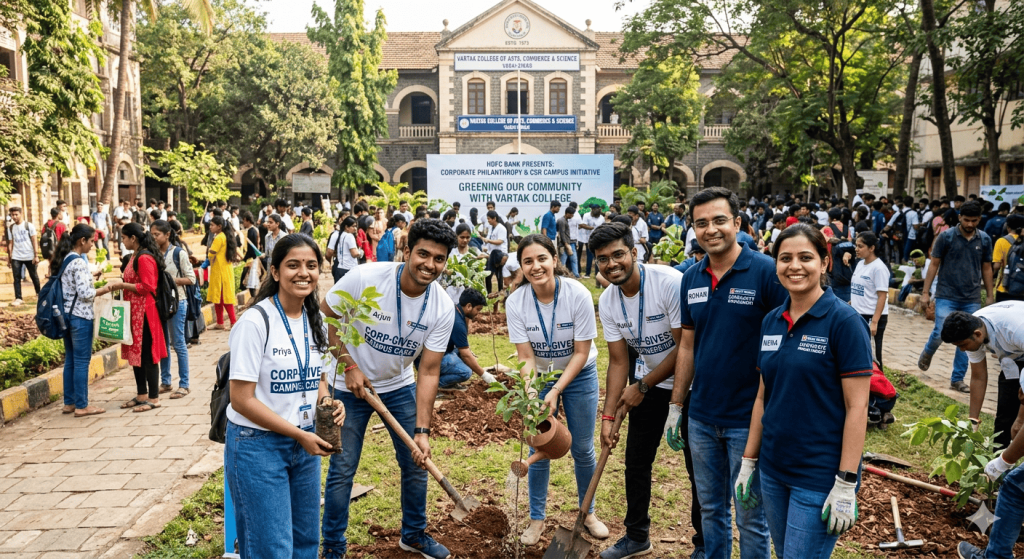
The active participation of students and faculty is central to IIT’s CSR efforts.
9.1 Student Involvement
Students contribute through:
- Volunteering programs
- Community service projects
- Social research initiatives
These experiences help them develop empathy, leadership, and problem-solving skills.
9.2 Faculty Contribution
Faculty members play a key role in:
- Designing CSR-focused curricula
- Conducting research
- Mentoring students
Their expertise ensures that initiatives are well-structured and impactful.
10. Challenges in CSR Implementation
Despite its successes, IIT faces challenges in implementing CSR initiatives:
- Limited resources for large-scale projects
- Ensuring consistent community engagement
- Measuring long-term impact
- Balancing academic and social commitments
Addressing these challenges requires strategic planning, collaboration, and continuous innovation.
11. Future Directions
The International Institute of Technology (IIT) is committed to continuously evolving its Corporate Social Responsibility (CSR) strategies to meet the dynamic and emerging needs of society. As global challenges become more complex and interconnected, IIT recognizes the importance of adopting forward-thinking approaches that leverage innovation, collaboration, and sustainability. The institution’s future direction in CSR is focused on expanding its reach, deepening its impact, and ensuring long-term value creation for communities and stakeholders.
One of the key priorities for IIT is the increased use of technology for social good. In an era driven by digital transformation, technology has the potential to address some of the most pressing social issues, including access to education, healthcare, and essential services. IIT aims to harness advancements in areas such as artificial intelligence, data analytics, and digital infrastructure to develop scalable and efficient solutions. These technologies can be used to improve educational delivery in remote areas, enable telemedicine services, and create platforms that connect underserved communities with resources and opportunities. By integrating technology into its CSR initiatives, IIT seeks to bridge the gap between innovation and accessibility, ensuring that technological progress benefits all sections of society.
Another important focus area is global collaborations. IIT understands that many societal challenges, such as climate change, poverty, and inequality, transcend national boundaries and require collective action. To address these issues effectively, the institute plans to strengthen its partnerships with international universities, research organizations, non-governmental organizations, and industry leaders. These collaborations will facilitate knowledge exchange, joint research initiatives, and the implementation of cross-border CSR programs. By engaging with global stakeholders, IIT can adopt best practices, access diverse perspectives, and contribute to international development goals. This collaborative approach not only enhances the impact of CSR initiatives but also positions IIT as a globally responsible institution.
The expansion of digital education platforms is another critical component of IIT’s future CSR strategy. Education remains one of the most powerful tools for social transformation, and digital platforms have revolutionized the way knowledge is delivered and accessed. IIT aims to develop and expand online learning systems that provide high-quality education to students regardless of their geographical location. These platforms will include virtual classrooms, interactive learning modules, and accessible course materials designed to cater to diverse learning needs. By making education more inclusive and flexible, IIT can reach underserved populations, promote lifelong learning, and empower individuals with the skills required for the modern workforce.
A strong focus on climate change and sustainability will also guide IIT’s future CSR initiatives. Environmental challenges are among the most urgent issues facing the world today, and institutions have a critical role to play in promoting sustainable practices. IIT plans to intensify its efforts in areas such as renewable energy, resource conservation, and environmental education. This includes adopting green technologies on campus, conducting research on sustainable solutions, and organizing awareness programs that encourage responsible behavior. By prioritizing sustainability, IIT aims to contribute to environmental protection while fostering a culture of ecological responsibility among its students and stakeholders.
In addition to these focus areas, IIT remains committed to adapting its CSR strategies to evolving societal needs. The institution acknowledges that social challenges are constantly changing, influenced by economic shifts, technological advancements, and global events. As such, IIT emphasizes the importance of flexibility, innovation, and continuous improvement in its CSR approach. Regular assessment of initiatives, stakeholder engagement, and feedback mechanisms will play a vital role in ensuring that programs remain relevant and effective.
12. Conclusion
Corporate Philanthropy and Corporate Social Responsibility (CSR) at the International Institute of Technology (IIT) reflect a comprehensive and forward-looking approach to education and societal development. In an increasingly interconnected and socially conscious world, IIT recognizes that its responsibilities extend far beyond academic instruction. By embedding social responsibility into its core mission, the institution redefines the role of education as a powerful tool for positive change, shaping not only skilled professionals but also responsible global citizens.
IIT’s approach to CSR is holistic in nature, encompassing a wide range of initiatives that address critical social, economic, and environmental challenges. Rather than treating philanthropy as a separate or occasional activity, the institution integrates it into its academic framework, research priorities, and community outreach programs. This seamless integration ensures that every aspect of the institute’s functioning contributes to a larger purpose—creating value for society while advancing knowledge and innovation.
Through its strong emphasis on education, IIT plays a pivotal role in empowering individuals and communities. By providing access to quality learning opportunities, promoting skill development, and supporting inclusive education initiatives, the institute helps bridge gaps and create pathways for growth and self-reliance. Education at IIT is not limited to theoretical knowledge; it is enriched by practical experiences, community engagement, and exposure to real-world challenges, enabling students to develop a deeper understanding of their societal responsibilities.
Community engagement is another cornerstone of IIT’s CSR efforts. The institution actively collaborates with local communities, organizations, and stakeholders to design and implement programs that address pressing issues such as poverty, health, and access to resources. These initiatives are driven by a genuine commitment to improving quality of life and fostering sustainable development. By working closely with communities, IIT ensures that its efforts are relevant, impactful, and aligned with the needs of those it seeks to serve.
Environmental sustainability is equally central to IIT’s vision of CSR. The institute acknowledges the urgent need to protect natural resources and combat climate change. Through green campus initiatives, research on sustainable technologies, and awareness programs, IIT promotes environmentally responsible practices among its students, faculty, and partners. This commitment not only contributes to ecological preservation but also instills a sense of environmental stewardship in future generations.
Innovation further strengthens IIT’s role as a catalyst for societal transformation. By encouraging research and entrepreneurship focused on social impact, the institution fosters the development of solutions that address real-world problems. Whether it is through technological advancements, social enterprises, or collaborative projects, IIT demonstrates how innovation can be harnessed to create meaningful and lasting change.
Underlying all these efforts is a strong commitment to ethical practices, sustainability, and inclusivity. IIT upholds high standards of integrity and transparency in its operations, ensuring that its actions are guided by fairness and accountability. At the same time, it strives to create an inclusive environment where opportunities are accessible to individuals from diverse backgrounds, particularly those who are underprivileged or marginalized.
In conclusion, Corporate Philanthropy and CSR at IIT exemplify how educational institutions can transcend traditional roles and become active contributors to societal progress. By aligning its mission with the principles of responsibility, sustainability, and inclusivity, IIT sets a benchmark for others to follow. Its integrated approach not only enhances the quality of education but also creates a lasting impact on communities and the environment. As the world continues to evolve, IIT’s commitment to social responsibility positions it as a leader in building a more equitable, sustainable, and knowledge-driven future.
Table of Contents